
Kimonos hold a rare kind of appeal. They are graceful without trying too hard, rich in meaning without needing explanation, and instantly recognizable across the world. For some people, the love of kimonos begins with their beauty. For others, it starts with a deeper respect for Japanese culture, textile art, and the calm elegance the garment represents.
This post is for fashion enthusiasts, style lovers, and cultural explorers who want to understand why kimonos continue to inspire admiration. We’ll look at their cultural significance, the artistry behind their fabrics and patterns, the power of their silhouette, and the way they continue to shape contemporary fashion. Along the way, we’ll see why the kimono is more than clothing—it is history, identity, and design in one form.
The kimono carries deep cultural meaning.
At the heart of the kimono’s appeal is its connection to Japanese heritage. The word “kimono” simply means “thing to wear,” yet the garment has come to symbolize far more than everyday dress. Over time, it became a visual language that reflected season, age, occasion, social setting, and personal taste.
A kimono can communicate subtle messages through color, motif, sleeve length, and styling. In traditional settings, these details matter. A formal kimono worn at a wedding carries a different meaning than a lighter, more casual cotton yukata worn at a summer festival. This layered meaning is one reason people feel drawn to kimonos: they are garments that tell stories.
That cultural depth creates a strong emotional pull. When people admire kimonos, they are often responding not just to how they look, but to what they represent—respect for ritual, beauty in detail, and continuity across generations.
A garment shaped by ceremony and daily life
Part of what makes the kimono so compelling is that it has existed in both formal and everyday spaces. Historically, it was not just reserved for special occasions. It was woven into life itself, adapting to class, climate, and context.
That long history gives the kimono a kind of quiet authority. Unlike fast-moving fashion trends, it feels rooted. It connects the wearer and the viewer to something older, slower, and more intentional.
The artistry of the kimono fabric and patterns inspires admiration.
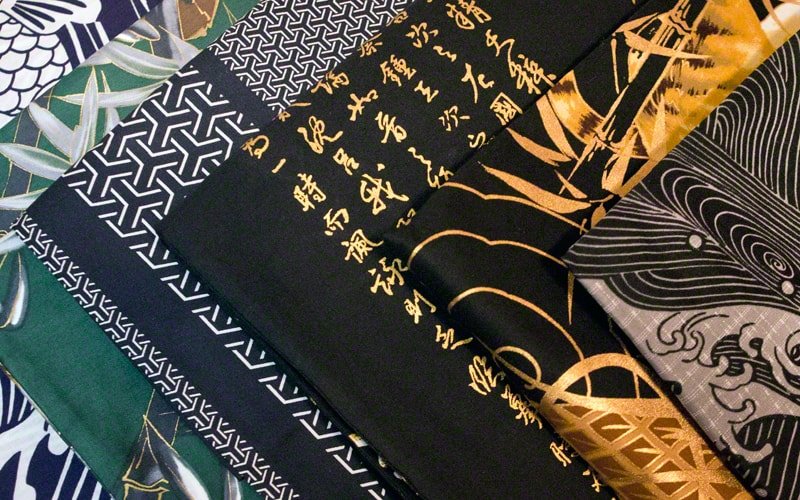
People also love kimonos because they are works of art. Every part of the garment can reflect skill and intention, from the weave of the textile to the placement of the pattern. You are not simply looking at fabric. You are often looking at dyeing traditions, weaving methods, hand-painting techniques, embroidery, and design symbolism that have been refined over centuries.
Silk kimonos, in particular, are admired for their softness, sheen, and movement. But the artistry goes beyond luxury. Cotton, linen, and other materials can also be beautiful, especially when crafted with care and designed for the season and use.
Patterns that carry meaning
Kimono motifs are rarely random. Many reflect nature, the seasons, or wishes for good fortune. Cherry blossoms may suggest beauty and impermanence. Cranes can symbolize longevity and good luck. Flowing water, bamboo, plum blossoms, and autumn leaves all carry visual and cultural weight.
This is one of the most captivating things about kimonos: the patterns are decorative, but they are also expressive. They invite closer attention. The more you know, the more you see.
Color as emotion and symbolism
Color plays a major role in kimono design. Soft pastels can feel youthful and seasonal. Deep indigo, rich red, gold, and black can create a sense of formality, drama, or celebration. The emotional tone of a kimono often comes from the harmony between its colors and motifs.
For many admirers, this balance is part of the magic. A kimono does not usually rely on a single bold statement. Instead, it creates beauty through composition, restraint, and detail.
The silhouette is elegant, flattering, and versatile
Another reason people love kimonos is simple: they look beautiful. The kimono silhouette is distinct from many Western garments. Rather than shaping the body through tight tailoring, it creates form through wrap, line, drape, and layering.
That makes it feel both structured and fluid. The straight seams, long sleeves, and wrapped front create an elegant outline that moves with the body. The obi, or sash, adds focus and balance. Together, these elements create a look that feels poised and timeless.
Why does the shape appeal to so many people
The kimono’s silhouette is versatile because it does not depend on one body type or one narrow ideal. Its design allows for grace, comfort, and presence. That flexibility gives it broad appeal.
It also offers something many people crave in fashion: clothing that feels deliberate. A kimono is not rushed. It encourages attention to dressing, styling, and movement. Even when interpreted in modern ways, it carries a sense of ease and intention.
A balance of simplicity and drama
Are you drawn to minimalist style but still want something memorable? The kimono often answers that need. Its construction is relatively simple in shape, yet the final effect can be striking. A plain kimono can look refined and calm. A patterned one can feel vivid and theatrical.
That range is part of its charm. Kimonos can be understated or expressive without losing their identity.
Traditional craftsmanship gives kimonos lasting value
People value kimonos because they reflect craftsmanship in a very visible way. Traditional kimono making can involve many specialized artisans, each responsible for one stage of the process. Weavers, dyers, painters, embroiderers, and dressmakers all contribute to the final piece.
This level of care is increasingly rare in modern clothing. In a world shaped by speed and mass production, the kimono stands for patience and mastery. That alone makes it meaningful to many people.
The human touch matters
Hand-dyed fabrics, hand-finished seams, and carefully placed motifs give a kimono character. Small differences are not flaws; they are signs of the maker’s hand. For collectors and admirers, this human element creates a deeper sense of connection.
It also changes how people think about clothing. A kimono is often seen not as disposable fashion, but as something to preserve, pass down, and appreciate over time.
Craft as cultural preservation
Supporting traditional kimono craft also helps preserve techniques that might otherwise fade. Textile regions in Japan are known for distinct methods and materials, and many artisans continue to keep these practices alive.
This matters because love for kimonos is not only aesthetic. It can also be ethical and cultural. People admire the garment because it represents knowledge, labor, and heritage worth protecting.
Kimonos blend tradition with personal style.
One of the most powerful reasons kimonos endure is that they are traditional, but not frozen in the past. They can honor history while still allowing personal expression. Styling choices, accessories, colors, and layering all create room for individuality.
That balance makes the kimono especially appealing today. Many people want fashion with meaning, but they also want freedom. Kimonos offer both.
Styling can feel ceremonial or creative.
In traditional contexts, kimono dressing follows established conventions. That structure is part of the beauty. It reflects respect for the occasion and custom.
At the same time, modern wearers and admirers often explore kimonos through a more personal lens. Vintage pieces may be styled in fresh ways. Contemporary designs may borrow kimono elements while adapting them for everyday wear. This tension between tradition and creativity keeps the garment alive.
How kimonos are being reimagined in global fashion
Now that we’ve covered the kimono’s cultural and artistic roots, it’s easier to see why it continues to influence designers around the world. Contemporary global fashion has embraced kimono-inspired shapes, sleeves, wraps, belts, and layered styling in many forms.
Some modern interpretations stay close to the original garment, while others translate its spirit into robes, jackets, dresses, and outerwear. The appeal is clear: kimono-inspired fashion offers elegance, comfort, and visual impact.
Modern fashion loves the kimono’s fluidity.
Designers are drawn to the kimono because its structure allows movement and ease. Loose sleeves, soft layering, and wrap shapes feel modern at a time when many people want clothes that are polished but wearable.
Kimono-inspired pieces also move easily between settings. A lightweight kimono jacket can work over denim, tailored pants, swimwear, or an evening dress. That adaptability helps explain the garment’s global reach.
The best reinterpretations respect the source.
There is an important difference between inspiration and careless borrowing. The most thoughtful contemporary uses of kimono design acknowledge its cultural roots and treat it with respect. They do not strip away the meaning that gives the garment its power.
For fashion lovers and cultural explorers alike, this is a useful question to ask: Does a modern version honor the artistry and heritage behind the original? When the answer is yes, the result can feel fresh and respectful at once.
Why the love for kimonos continues
In the end, people love kimonos for many reasons, and those reasons often overlap. Some are captivated by the silhouette. Others are moved by the craftsmanship, the symbolism in the patterns, or the connection to Japanese heritage. Many simply feel that kimonos possess a rare beauty that modern clothing often lacks.
What makes the kimono endure is its balance. It is historical but still relevant, artistic but wearable, refined but expressive. If you want to appreciate kimonos more deeply this week, start by looking closely at one—its fabric, motif, color, and shape. The more attention you give it, the more it reveals.
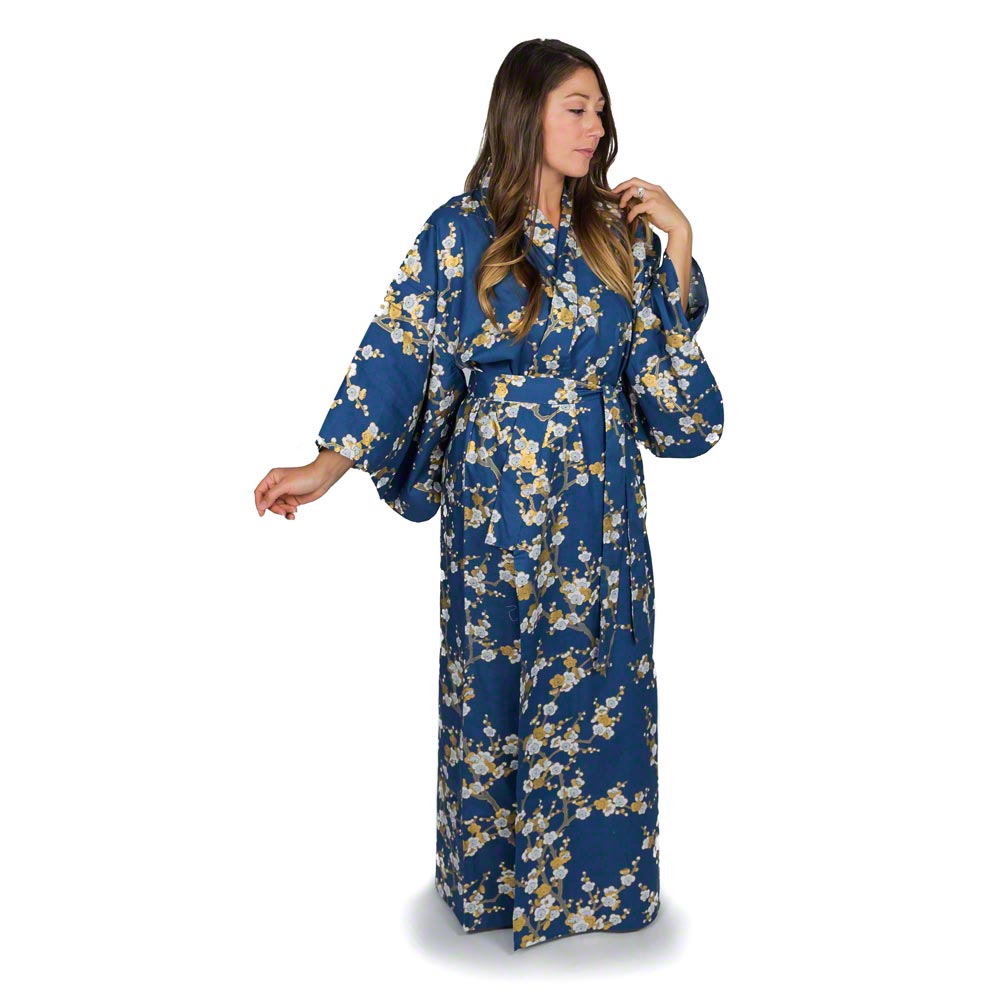
Sakura Yukata


Tags: authentic kimonos, japanese yukata, kimono, kimono yukata, Women's kimono, Yukata