Posts Tagged ‘japanese yukata’

Regional Textile Traditions: Nishijin-ori, Oshima Tsumugi, Kaga Yuzen

Wednesday, December 17th, 2025

Japan is a country where geography and artistry are intricately intertwined. Travel from the snowy peaks of Ishikawa to the tropical islands of Kagoshima, and you will find that the local textiles tell the story of the land itself. The history of the kimono is not just about fashion; it is a tapestry of regional techniques passed down through centuries of dedicated artisans.

For enthusiasts of Japanese culture and textile art, understanding these regional differences unlocks a deeper appreciation of the craft. It transforms a beautiful garment into a map of history, climate, and local pride.

In this guide, we will journey through three of Japan’s most celebrated textile traditions: the opulent weaves of Kyoto’s Nishijin-ori, the intricate mud-dyed silks of Oshima Tsumugi, and the breathtaking hand-painted artistry of Kaga Yuzen. Each represents a different pinnacle of Japanese craftsmanship, preserving ancient skills in a modern world.

Nishijin-ori: The Brocade of Emperors

When you imagine a dazzling, gold-flecked obi sash worn at a formal wedding, you are likely picturing Nishijin-ori. Originating in the Nishijin district of Kyoto, this weaving style is synonymous with luxury, high status, and incredible complexity.

A History Woven in Kyoto

The roots of Nishijin weaving go back over 1,200 years, flourishing when Kyoto became the imperial capital in 794. The area became a hub for weavers supplying the Imperial Court and aristocracy. The name “Nishijin” (meaning “Western Camp”) actually dates back to the Onin War in the 15th century, when displaced weavers returned to the site of the western army’s encampment to restart their trade.

The Technique: Painting with Thread

Nishijin-ori is not a single technique but a collection of complex weaving methods. Its defining characteristic is the use of pre-dyed yarns to create elaborate patterns directly into the fabric, rather than dyeing the fabric afterward.

  • Jacquard Power: Modern Nishijin often uses Jacquard looms, but the most prestigious pieces are still hand-woven.
  • Gold and Silver: A signature element is the heavy use of gold and silver foil threads, giving the fabric a three-dimensional, luminous quality.
  • Precision: Some patterns are so intricate they resemble paintings. The weaver must manually lift specific warp threads to insert the weft, a process that can take days to produce just a few centimeters of fabric.

Modern Relevance

Today, Nishijin-ori is the gold standard for formal obi (maru obi and fukuro obi) and kimono. However, the industry is innovating to survive. You can now find Nishijin techniques applied to luxury neckties, interior decor, and even high-end western accessories, proving that this ancient courtly style can adapt to contemporary life.

Oshima Tsumugi: The Mud-Dyed Masterpiece

Far from the imperial courts of Kyoto lies the island of Amami Oshima in Kagoshima Prefecture. Here, artisans create Oshima Tsumugi, a textile that looks deceptively simple from a distance but reveals mind-blowing complexity up close.

Born from Nature

Oshima Tsumugi is a type of silk pongee (woven from spun raw silk). Despite being 100% silk, it doesn’t have the glossy sheen of satin. Instead, it is matte, lightweight, and incredibly wrinkle-resistant. Historically, it was a durable fabric for everyday wear, but the immense labor involved has elevated it to a status of luxury.

The Process: Mud and Ikat

The creation of Oshima Tsumugi is unique in the world of textiles, relying on a specific combination of local flora and geology.

  1. Teichigi Dyeing: Threads are dipped hundreds of times in a dye made from the Japanese hawthorn (Teichigi) tree, turning them red.
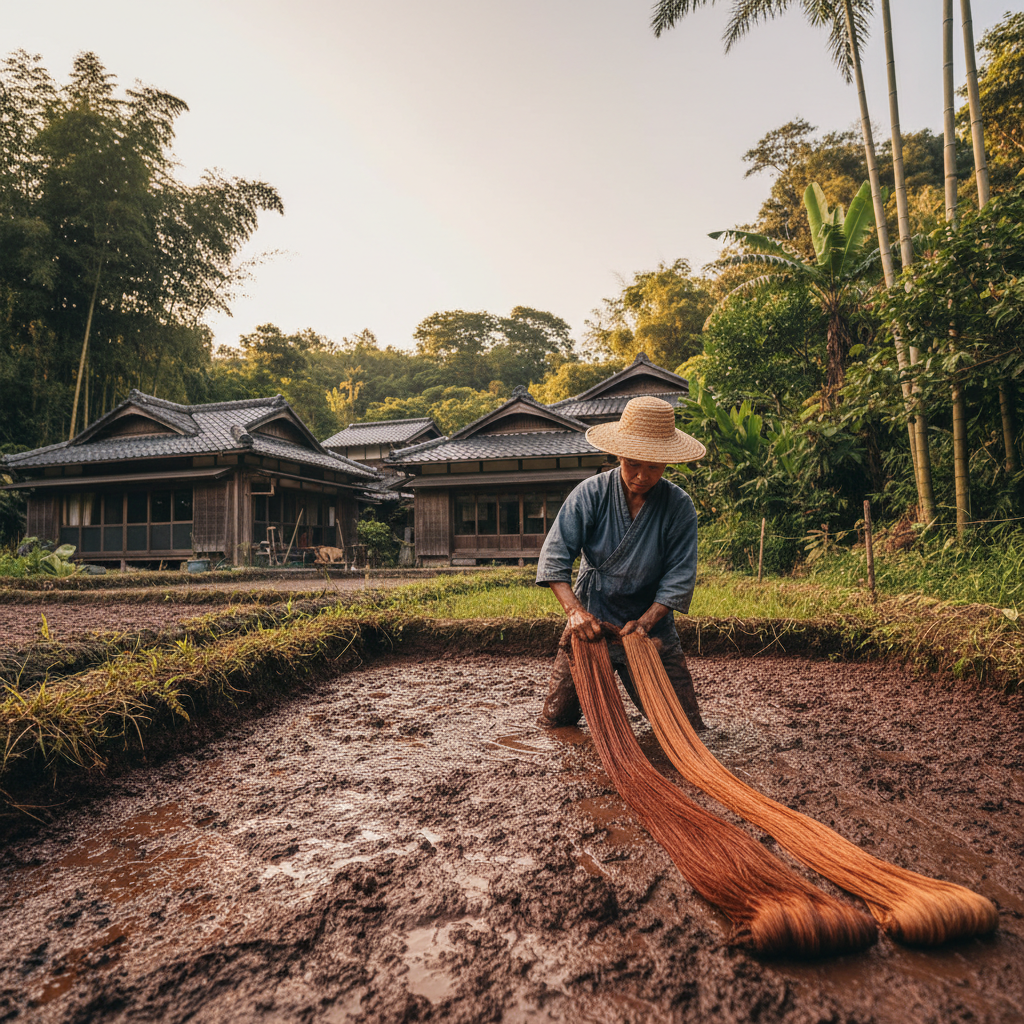
  2. Mud Dyeing (Dorozome): This is the magic step. The red threads are immersed in the iron-rich mud of local rice paddies. The iron reacts with the tannins in the wood dye, turning the silk a deep, rich, lacquer-black. This process also strengthens the fiber, making it incredibly durable.
  3. Kasuri (Ikat) Weaving: Before weaving, threads are spot-dyed to create white dots. When woven, these dots must align perfectly to form precise geometric patterns. This technique, known as kasuri, requires mathematical precision. A single millimeter of error can ruin the pattern.

Why It Matters

Authentic Oshima Tsumugi takes anywhere from six months to a year to produce. It is often called the “queen of kimono textiles” for casual wear. It represents a harmony between the artisan and the island’s unique natural resources—a fabric that literally could not exist anywhere else.

Kaga Yuzen: The Art of Realistic Beauty

Moving north to Kanazawa in Ishikawa Prefecture, we find Kaga Yuzen. While Kyoto has its own famous dyeing style (Kyo Yuzen), the Kaga style offers a different aesthetic philosophy—one grounded in realism and the quiet beauty of nature.

The Kaga Aesthetic

Established in the mid-17th century, Kaga Yuzen is a dyeing technique used to paint patterns directly onto silk cloth. Unlike the stylized, often gold-embellished designs of Kyoto, Kaga Yuzen focuses on Kaga Gosai—five specific colors: indigo, crimson, ocher, grass green, and ancient purple.

Techniques of the Trade

The hallmark of Kaga Yuzen is bokashi, or shading. Artisans use this gradient technique to give depth to flowers and leaves, making them look almost photographic.

  • Worm-Eaten Leaves: A unique and charming feature of Kaga Yuzen is the depiction of “mushikui”—leaves that appear to be eaten by insects. This embraces the Japanese aesthetic of wabi-sabi, finding beauty in imperfection and the natural cycle of life.
  • No Gold: Unlike Kyoto styles, which often feature gold leaf or embroidery, Kaga Yuzen relies solely on the mastery of the dyeing brush. The luxury comes from the painterly skill, not the addition of precious metals.

Cultural Significance

Kaga Yuzen kimonos are prized for their elegance and dignity. They are often worn for tea ceremonies and formal visits. The craft demands patience; a single artist often oversees the entire process from sketching the design to the final wash, ensuring a singular artistic vision remains intact.

Conclusion: Wearing History

Whether it is the dazzling brocade of Nishijin, the earthy resilience of Oshima Tsumugi, or the painterly grace of Kaga Yuzen, these traditions are more than just methods of making cloth. They are the identities of their regions.

In a world of fast fashion, these textiles remind us of the value of slowness. They speak of artisans who dedicate their lives to mastering a single craft, and of a culture that sees clothing not as disposable, but as a vessel for history, nature, and art. Owning or even just witnessing these fabrics is a way to keep these vibrant stories alive.

Frequently Asked Questions (FAQ)

1. What is the difference between Nishijin-ori and regular silk?
Nishijin-ori refers specifically to high-end woven textiles from the Nishijin district in Kyoto. Unlike printed silk, Nishijin fabrics have patterns woven directly into the cloth using pre-dyed threads, often including gold and silver foil, creating a textured, brocade-like finish.

2. Can Oshima Tsumugi be worn for formal occasions?
Traditionally, no. Despite being expensive and highly prized, Oshima Tsumugi is a type of tsumugi (woven, spun silk), which is considered casual wear in kimono etiquette. It is perfect for dinner parties, theater outings, or casual gatherings, but not for formal weddings.

3. Why is Kaga Yuzen painted with “imperfections” like bug bites?
The “worm-eaten leaf” motif (mushikui) is a signature of the Kaga Yuzen style. It reflects a realistic observation of nature and the aesthetic of finding beauty in natural, imperfect states, distinguishing it from the more idealized or stylized nature motifs found in Kyoto designs.

4. Are these traditional textiles still being made today?
Yes, but the number of skilled artisans is declining. Each of these traditions requires decades of training. While production volume has decreased, dedicated associations and master craftsmen in Kyoto, Kagoshima, and Ishikawa continue to produce these masterpieces and train the next generation.

Mud dyeing process

How to Find Great Deals on Kimonos & Yukatas

Thursday, December 11th, 2025

The elegance of a Japanese kimono or the casual comfort of a yukata can add a unique touch to your wardrobe. These traditional garments are beautiful, versatile, and rich with cultural history. However, owning an authentic piece can sometimes feel like a significant investment. With many people looking for ways to make their money go further, finding a great deal is more important than ever.

Fortunately, you don’t have to break the bank to own a beautiful kimono or yukata. With a few smart shopping strategies, you can find high-quality garments at affordable prices. This guide will show you how to find fantastic deals, so you can embrace Japanese style without straining your budget. We’ll focus on how to stay informed about sales and exclusive offers from retailers like Chopa.

Why Quality Matters, Even on a Budget

When looking for a deal, it’s tempting to go for the cheapest option available. But with kimonos and yukatas, quality is key. A well-made garment will not only look better but will also last much longer. Authentic pieces are crafted from durable fabrics with intricate designs, offering a superior feel and fit.

Investing in a quality piece, even at a discounted price, means you get better value in the long run. You get to enjoy the authentic experience of wearing a traditional Japanese robe that is comfortable, breathable, and beautifully constructed. The goal is to find that perfect balance between an affordable price and excellent craftsmanship.

Stay Ahead of Sales with Social Media

One of the most effective ways to catch a sale is to follow your favorite retailers on social media. Companies often announce flash sales, special promotions, and new arrivals on their social channels first. By following them, you put yourself in the perfect position to be among the first to know when prices drop.

Chopa, a popular retailer of Japanese robes, is active on several platforms. Following them is a simple, no-cost way to keep an eye on upcoming opportunities to save.

Platforms to Follow:

  • Facebook: Many brands use Facebook to post detailed announcements, share photos of their products, and interact with their community. Look for posts about seasonal sales or holiday discounts.
  • X (formerly Twitter): For quick, real-time updates, X is an excellent resource. Companies often post about limited-time flash sales that you might otherwise miss.
  • Instagram: Instagram is a visual platform, making it perfect for showcasing the beautiful patterns and colors of kimonos and yukatas. Brands often use Instagram Stories to announce exclusive, short-term promotions for their followers.

By connecting on these platforms, you ensure you won’t miss out on a chance to purchase the kimono you’ve been eyeing at a reduced price.

Unlock Exclusive Offers with Newsletters

While social media is great for public announcements, the best deals are often reserved for a smaller group of loyal customers. This is where email newsletters come in. Signing up for a company’s newsletter is like getting a VIP pass to exclusive sales and discounts that aren’t advertised anywhere else.

For example, Chopa offers an online newsletter that periodically informs subscribers about special offers. This is a direct line to the best promotions the company runs throughout the year.

The Benefits of Signing Up

Subscribing to the Chopa newsletter gives you several advantages. You receive notifications sent directly to your inbox, so you don’t have to constantly check social media or the website for updates. These emails often contain unique discount codes or early access to sales events before they are made public.

Many people hesitate to sign up for newsletters, fearing a flood of daily emails. However, reputable companies respect your inbox. Chopa is a great example of this, typically sending no more than six emails a year. This low-key approach ensures that when you do get an email, it contains valuable information about a significant sale or a special offer worth your attention. Plus, you can easily opt-out at any time, giving you complete control.

Timing is Everything: Watch for Periodic Sales

Patience can be a shopper’s best friend. Many retailers, including Chopa, hold periodic sales throughout the year. These are often tied to seasons or holidays, providing predictable opportunities to save.

Keep an eye out for:

  • End-of-season sales: As seasons change, retailers may discount items like lightweight summer yukatas to make room for new inventory.
  • Holiday promotions: Major holidays can bring sitewide discounts.
  • Anniversary sales: Some companies celebrate their business anniversary with a special sale for customers.

By combining the knowledge you gain from newsletters and social media, you can anticipate these sales events and plan your purchase accordingly. This strategic approach helps you get the best possible price on a high-quality kimono or yukata.

Embrace Japanese Tradition Affordably

Owning a beautiful kimono or yukata is an achievable goal, even when you’re being mindful of your spending. By using smart strategies, you can find incredible deals on authentic, high-quality garments.

Start by following retailers like Chopa on Facebook, X, and Instagram to catch public sales announcements. For even better discounts, sign up for their newsletter to receive exclusive offers directly in your inbox, without the worry of spam. By staying informed and being patient, you can find the perfect piece to add to your collection at a price that makes you smile.

Kimono Shop offers a wonderful selection of kimono and yukata.

Celebrate the Kimono

What is a Yukata? Your Guide to Japan’s Summer Kimono

Thursday, August 14th, 2025

Have you ever seen those beautiful, lightweight robes worn at Japanese summer festivals and wondered what they were? You were likely looking at a yukata—one of Japan’s most beloved traditional garments. Far from being just another pretty robe, the yukata carries centuries of cultural meaning while remaining surprisingly practical for modern life.

In this guide, you’ll discover everything you need to know about yukatas, from their fascinating history to practical tips for wearing one yourself. Whether you’re planning a trip to Japan or simply curious about Japanese culture, understanding the yukata opens a window into the heart of Japanese tradition.

What Exactly is a Yukata?

A yukata is a casual summer kimono made from lightweight cotton or synthetic fabric. The word “yukata” literally translates to “bathing clothes” (yu = bath, kata = clothes), revealing its humble origins as post-bath wear. Today, yukatas serve as comfortable summer clothing perfect for festivals, fireworks displays, and hot weather relaxation. In the West, yukata are worn year round.

Unlike their formal kimono cousins, yukatas embrace simplicity. They feature bold, colorful patterns—think bright florals, geometric designs, or traditional motifs like goldfish and fans. The lightweight fabric makes them ideal for Japan’s notoriously humid summers, while their relaxed styling keeps wearers cool and comfortable.

Most yukatas come in standard sizes with an adjustable fit achieved through specific folding and tying techniques. This one-size-fits-most approach reflects the garment’s practical nature and democratic accessibility—anyone can enjoy wearing a yukata regardless of body type.

The Rich History Behind the Yukata

The yukata’s story begins over 1,000 years ago during Japan’s Heian period (794-1185). Originally, nobles wore simple linen robes called “yukatabira” after bathing in hot springs. These early versions were purely functional—thin, absorbent garments that helped cool the body and absorb moisture.

During the Edo period (1603-1868), yukatas evolved beyond bathhouse walls. Merchants and artisans began wearing them as everyday summer clothing, and the designs grew more elaborate. This period saw the emergence of regional styles and the development of yukata-specific dyeing techniques like “chusen,” which creates the characteristic bleeding patterns many yukatas display.

The Meiji period (1868-1912) brought Western influence to Japan, but rather than disappearing, yukatas adapted. They became symbols of Japanese identity during a time of rapid modernization. Families would don matching yukatas for summer outings, creating lasting memories and strengthening cultural bonds.

Yukata vs. Kimono: Understanding the Differences

While yukatas and kimonos share similar silhouettes, they’re distinct garments with different purposes, materials, and cultural significance. Understanding these differences helps appreciate each garment’s unique role in Japanese culture.

Fabric and Construction

Formal kimonos are typically made from silk, with elaborate designs often featuring metallic threads or hand-painted details. They’re lined garments designed for formal occasions and cooler weather. Yukatas, conversely, use unlined cotton or synthetic fabrics in bright, bold patterns printed using various dyeing techniques.

Formality Level

Think of kimonos as formal evening wear—they’re appropriate for weddings, tea ceremonies, and important cultural events. Yukatas are casual clothing, perfect for summer festivals, casual dining, or lounging at home. You wouldn’t wear a yukata to a formal event, just as you wouldn’t wear a tuxedo to a barbecue.

Undergarments and Accessories

Proper kimono wearing requires multiple undergarments, including a special undershirt (hadajuban) and underskirt (susoyoke). Yukatas are much simpler—you can wear them over regular underwear or a thin slip. Kimono accessories include elaborate obi (sash) and various decorative elements, while yukata accessories remain minimal and functional.

Cost and Accessibility

Quality kimonos can cost thousands of dollars, making them significant investments often passed down through generations. Yukatas are much more affordable, with decent quality options available for under $75. This accessibility makes yukatas perfect for those wanting to experience Japanese traditional dress without major financial commitment.

When and Where to Wear a Yukata

Yukatas have specific appropriate contexts that honor their cultural significance while ensuring you look stylish and respectful.

Summer Festivals (Matsuri)

Summer festivals are the yukata’s natural habitat. From July through September, Japanese festivals celebrate everything from local deities to seasonal changes. Wearing a yukata to these events isn’t just appropriate—it’s encouraged. The flowing fabric keeps you cool while the traditional aesthetic enhances the festival atmosphere.

Popular festivals perfect for yukata wearing include the Gion Matsuri in Kyoto, Tanabata festivals across Japan, and local bon festivals. Many festival-goers coordinate their yukata colors with friends or family members, creating beautiful visual harmony in the crowds.

Fireworks Displays (Hanabi)

Japanese fireworks displays are spectacular events that draw millions of viewers each summer. Wearing a yukata to hanabi viewing parties is a cherished tradition that dates back centuries. The combination of colorful yukatas, twinkling fireworks, and warm summer evenings creates magical memories.

Hot Spring Resorts (Onsen)

Many onsen resorts provide yukatas as loungewear for guests. After soaking in mineral-rich hot springs, slipping into a soft cotton yukata feels incredibly relaxing. Some guests enjoy wearing these yukatas while exploring resort grounds, dining, or socializing with other visitors.

Cultural Events and Performances

Traditional performances like kabuki, bunraku puppet theater, or classical music concerts welcome appropriately dressed audiences. A yukata demonstrates cultural appreciation and adds to the authentic atmosphere these events strive to create.

Modern Casual Settings

Contemporary Japan has embraced yukatas in new contexts. Some restaurants encourage yukata dining, especially during summer months. Art galleries, museums, and cultural centers often host yukata-friendly events that blend traditional dress with modern cultural appreciation.

Essential Tips for Wearing a Yukata

Wearing a yukata properly requires understanding both the physical techniques and cultural etiquette involved. Follow these tips to look authentic and feel comfortable.

Choosing the Right Size and Fit

Unlike Western clothing, yukatas don’t rely on precise measurements. The key is achieving proper length and adjustability through folding techniques. The ideal yukata should be slightly longer than your height, allowing for proper hip adjustment and ankle coverage.

When trying on a yukata, check that the hem falls between your ankles and mid-calf. Too short looks awkward, while too long creates tripping hazards and spoils the clean lines yukatas are known for.

Putting On Your Yukata Step-by-Step

Start by putting your arms through the sleeves and pulling the yukata around your body. The left panel should overlap the right—getting this backwards is a serious cultural error associated with dressing the deceased. Adjust the length by lifting the fabric at your waist and creating a small fold called an “ohashori.”

Secure the yukata with the obi or sash around your waist. For casual wear, simple bow knots work perfectly, though more elaborate obi tying creates stunning visual effects. The obi should sit comfortably at your natural waist, not too high or too low.

Selecting Appropriate Accessories

Traditional yukata accessories enhance both comfort and style. Geta (wooden sandals) are classic footwear choices that provide height and an authentic clicking sound as you walk. For beginners, flat geta or comfortable sandals work better than high platforms. While indoors, many prefer wearing tabi or toe socks for added comfort.

Consider carrying a small drawstring bag (kinchaku) that complements your yukata’s colors. These traditional purses hold essentials while maintaining the outfit’s historical authenticity. Hair accessories like decorative combs or flowers add elegant finishing touches, especially for longer hairstyles.

Movement and Posture Tips

Wearing a yukata affects how you move and sit. Take smaller steps than usual—the narrow hem restricts stride length but creates graceful, deliberate movement. When sitting, gather the back of the yukata beneath you to prevent wrinkles and maintain the garment’s shape.

Avoid reaching high or making sudden movements that might disturb the careful wrapping. This limitation encourages mindful, composed behavior that aligns with traditional Japanese concepts of grace and dignity.

Cultural Significance and Etiquette

Understanding yukata etiquette shows respect for Japanese culture and ensures you wear this traditional garment appropriately.

Color and Pattern Meanings

Yukata patterns carry symbolic meanings that add depth to your clothing choice. Cherry blossoms represent the fleeting nature of beauty, while chrysanthemums symbolize longevity and nobility. Goldfish patterns evoke summer coolness, and geometric designs often represent family crests or regional identities.

Darker colors suit evening events, while lighter, brighter patterns work well for daytime activities. Subtle patterns show sophistication, while bold designs express youthful energy and celebration.

Seasonal Appropriateness

Yukatas are specifically summer garments, typically worn from June through September in Japan. Wearing one during winter months or spring cherry blossom season would seem odd to Japanese observers. Respect these seasonal boundaries to demonstrate cultural understanding. Throughout the West, people wear them year round for comfort and to relax.

Respectful Wearing Practices

Never wear a yukata to solemn occasions like funerals or formal business meetings. These garments represent leisure, celebration, and relaxation—contexts that would be inappropriate for serious formal events.

Always ensure the left panel overlaps the right when wrapping your yukata. This seemingly small detail carries significant cultural weight, and getting it wrong can be deeply offensive to Japanese observers.

Modern Yukata Culture

Today’s yukata culture blends traditional elements with contemporary innovation, creating new opportunities for cultural engagement and personal expression. Yukata popularity has spread globally, with enthusiasts worldwide participating in Japanese cultural events and festivals. This international appreciation helps preserve traditional crafts while creating new markets for skilled artisans.

Fashion designers have also drawn inspiration from yukata silhouettes, creating fusion garments that blend Japanese aesthetics with international style preferences. These adaptations help introduce wider audiences to Japanese culture through familiar fashion contexts.

If you are seeking to buy a Kimono or Yukata, check out the fine selection of robes at Chopa.com. Chopa has been a leading online provider of authentic Japanese robes for over 30 years. Shop with confidence in your home or office. Their online Kimono Shop is open 24 hours a day. Shipping is quick and most orders ship within one business day. Chopa is a US-based company and ships from Northwest Florida. No need to worry about tariffs, customs, or duties and import fees. Chopa takes care of that for your added convenience and value.

Japanese Yukata

Beyond Tradition – The Timeless Appeal of Japanese Bathrobes

Friday, March 7th, 2025

When you think of Japanese bathrobes—better known as kimonos and yukata—they may conjure images of tea ceremonies, festivals, or traditional gatherings. However, these iconic garments transcend their cultural origins and have seamlessly become a staple for modern loungewear enthusiasts. Whether it’s unwinding at home or indulging in a spa day, both kimono and yukata offer an unparalleled blend of craftsmanship, comfort, and understated elegance.

At Chopa, we’ve spent nearly three decades celebrating and redefining this tradition, making it easier than ever for customers to find their perfect Japanese bathrobe.

What is the Difference Between a Kimono and Yukata?

Before exploring their versatility, it’s essential to understand what sets these two garments apart.

  • Kimono represents sophistication and heritage. Typically made from high-quality cotton fabrics, and silk, kimonos are traditionally reserved for festive or ceremonial occasions. Modern adaptations, however, can be styled for fashion or as a luxurious robe for home use.
  • Yukata is the casual sibling of the kimono. Made of lightweight cotton or synthetic fabrics, it’s perfect for summer festivals and is widely embraced in Japan as the ultimate loungewear. Men’s yukata, in particular, often feature more subdued and understated patterns, while women’s yukata blend soft fabrics with elegant designs.

Chopa’s expertly curated collection honors these distinctions while creating pieces crafted for everyday enjoyment.

Yukata – The Ultimate Loungewear and Modern Bathrobe

Imagine slipping into your favorite yukata after a long day—it’s not just clothing, it’s an experience. With its breathable cotton, lightweight drape, and irresistibly soft touch, a yukata rivals even the most luxurious bathrobes. It’s little wonder that Japanophiles and comfort seekers alike have embraced yukata as a must-have for unwinding at home.

  • Perfect for Lounging

The relaxed fit of yukata allows you to move freely without feeling restricted, while its thoughtful design ensures you’re enveloped in comfort. Whether binge-watching your favorite series, enjoying your morning coffee, or reading on the porch, a yukata makes every moment special.

  • Spa Vibes, Anywhere

Transport yourself to a serene Japanese onsen. Yukata is commonly worn in traditional Japanese hot-spring towns, and now you can replicate that indulgent feeling in your very own bathroom. Soft, below-the-knee designs pair function with elegance, making them your go-to robe after a rejuvenating shower or bath.

Why Kimonos are More than Just Tradition

While yukata excels in casual luxury, modern-day kimono-yukata garments have also taken on new versatility. They’re gracing fashion runways, functioning as stylish outerwear, and becoming a unique gift option for loved ones looking to incorporate Japanese culture into their everyday lives.

Whether dressed up or dressed down, kimonos serve as a wearable art form that celebrates tradition without sacrificing modernity. At Chopa, we ensure our offering includes timeless pieces as well as contemporary designs to suit every preference.

Thoughtfully Designed with Craftsmanship in Mind

Each Japanese bathrobe we supply is more than just fabric—it’s a reflection of cultural heritage combined with meticulous artisanship. Some defining features of our kimonos and yukata include:

  • Exclusive Patterns

Our garments showcase vibrant influences from traditional Asian block prints to minimal, modern patterns. Every design honors Japan’s legacy while adapting to today’s tastes.

  • Sustainable Comfort

Crafted with soft jersey-knit organic cotton, our yukata and happi coats marry eco-conscious dyeing techniques with indulgent comfort.

  • Refined Details

Every seam, crease, and fold is assembled with precision so you can enjoy a garment that fits like it was made just for you.

Why Chopa is the Ultimate Online Kimono Shop

Since 1994, Chopa has been a trusted name and a leading online provider of authentic Japanese kimonos, yukata, and happi coats. We take the guesswork out of online kimono shopping by offering:

  • Vast Selection – Our collection features a range of designs suited for every occasion, from traditional styles to everyday wear.
  • Fast Shipping – Based right in the USA, Chopa ensures quick delivery to your door so you can start enjoying your Japanese bathrobe without delay.
  • Exceptional Customer Service – Whether you’re new to kimonos or an experienced shopper, our team is ready to help you find the perfect piece.

Explore the Elegance of Kimono, Yukata, and Happi Coats Today!

Whether you’re looking to add a touch of Japanese style to your home loungewear or seeking a stunning gift for a loved one, Chopa is here to guide you. From men’s yukata to elegant kimono-yukata hybrids and happi coats, we’ve crafted a collection that reflects the traditions of the past while serving the comforts of today.

Step into the beauty of tradition—your perfect Japanese bathrobe awaits. Visit Chopa now to explore.

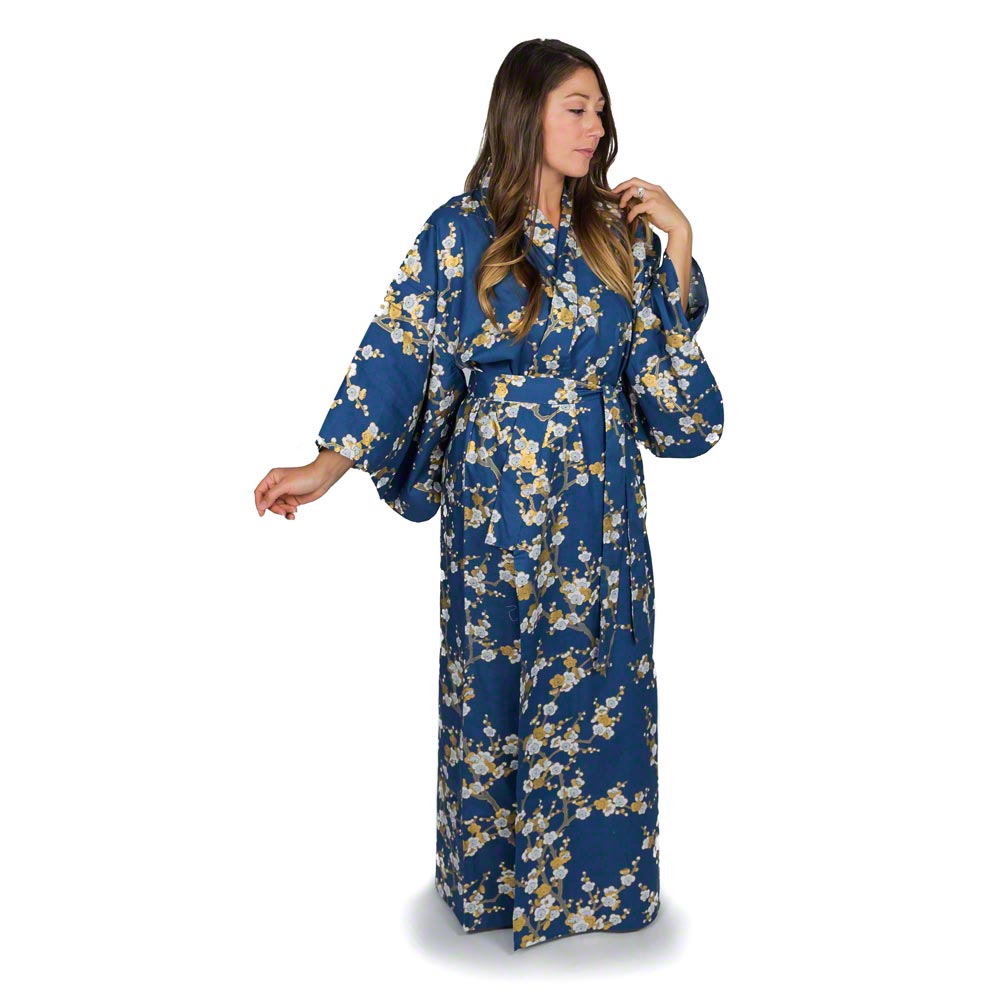
Gorgeous silk kimono in purple featuring iris flowers

Loungewear never felt so good.

Where to Buy a Yukata Near Me

Friday, August 9th, 2024

For travel enthusiasts, fashion lovers, and Japanese fans alike, owning a yukata is a beautiful way to connect with Japanese culture. Traditionally worn during the summer or to festivals, these lightweight cotton robes are celebrated for their vibrant designs and comfort.

But here’s the good news—you don’t have to travel to Japan to find a stunning yukata. Thanks to the internet and local shops, there are multiple ways to get your hands on this traditional Japanese attire. Let’s explore the best places to buy a yukata, and weigh the pros and cons of each option.

1. Online Yukata Stores

Pros:

  • Wide Selection: Some Online stores offer a vast range of yukata styles, colors, and sizes.
  • Convenience: Shop from the comfort of your home and have your yukata delivered to your doorstep.
  • Customer Reviews: Many online platforms provide customer reviews, which can be helpful in assessing the quality and authenticity of the product.
  • Warranty: Most online dealers provide a warranty and assurance for a period of time.
  • History in the Business: Some online dealers have been in business for 30 or more years.  If they didn’t uphold high standards, the chance of being in business today would be minimal.

Cons:

  • Risk of Inauthenticity: Not all online retailers are reputable. Some may sell low-quality or counterfeit products.
  • Shipping Costs and Time: Depending on the location of the seller (International), shipping can be expensive and time-consuming.

Recommendations:

  • Kimono Shop: Known for its high-quality yukata made in Japan, this store offers detailed product descriptions and customer reviews. They also offer free shipping on orders over $75 or more and a 30-day return policy.

2. Local Japanese Stores

Pros:

  • Immediate Availability: Purchase and take home your yukata on the same day.
  • Personal Inspection: Examine the fabric, design, and fit before buying.
  • Expert Advice: Store staff can provide personal guidance on how to wear and care for your yukata.

Cons:

  • Limited Selection: Local shops may not have as extensive a variety as online stores.
  • Higher Prices: The convenience of buying locally can sometimes come at a premium price.
  • Quality: Some shops carry inferior quality robes mass produced for the retail trade.

Recommendations:

  • Check your local directory to find a store near you. Some cities these shop are scarce.

3. Resale Shops and Thrift Stores

Pros:

  • Affordable Prices: Often, you can find high-quality, second-hand yukata at a fraction of the cost.
  • Unique Finds: Discover vintage and rare yukata that you might not find elsewhere.

Cons:

  • Condition Uncertainty: The quality and condition of second-hand yukata can vary.
  • Limited Sizes and Styles: Finding the perfect fit and style might require some patience and luck.
  • Cleanliness: How was the robe washed or cleaned? Are there stains or spots? How do you know what they are?
  • Warranty: Many second hand dealers do not allow returns or exchanges.

Recommendations:

  • It is hit and miss. Since kimono yukata are a specialty item, not all thrift shops will offer these robes. You have to do the footwork to locate one.

4. Specialty Festivals and Events

Pros:

  • Cultural Experience: Buying a yukata at a Japanese festival or event can be a fun and immersive experience.
  • Authenticity Assurance: Vendors at cultural events often sell genuine products, but some do not. Check tags and ask the salesperson.

Cons:

  • Limited Time and Location: These opportunities are restricted to specific dates and venues.
  • Cost: Costs are usually higher and the quality can be less than standard. Often, dealers that attend these festivals know they have an impulse buyer at hand and will use that against the customer.
  • Crowds: Popular events can be crowded, making the shopping experience less pleasant.
  • All Sales Final: In most cases all sales are final. If you notice a problem with your robe after the show, you have no recourse for a return.

Recommendations:

  • Annual Japanese Festivals: Obon and other gatherings will usually feature yukata and other traditional Japanese items for sale.

Whether you choose to shop online, locally, or at special events, there are plenty of ways to find the perfect yukata without traveling to Japan. Each option has its own set of advantages and drawbacks, so consider what matters most to you—be it selection, convenience, or authenticity.

Ready to start your yukata shopping adventure? Explore the options mentioned above and find the yukata that speaks to your style and love for Japanese culture.

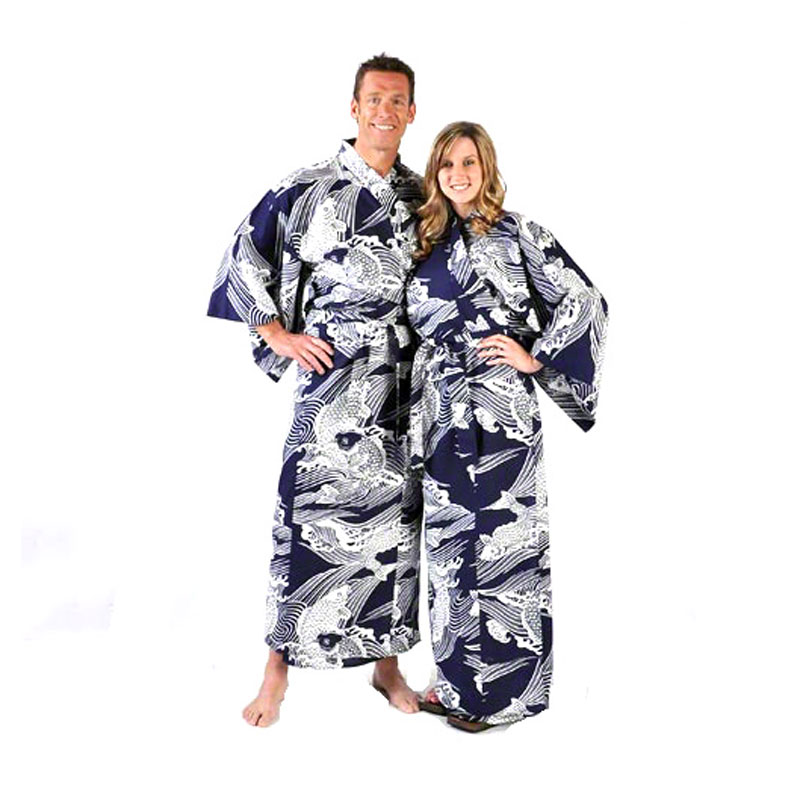
koi fish yukata from Japan

Blue Koi Yukata

Discovering the Secrets of Japanese Kimonos

Sunday, December 10th, 2023

Kimonos are one of Japan’s most famous cultural creations, recognizable worldwide for their mix of elegance, history, and artistic detail. However, there’s far more to these gorgeous garments than meets the eye. Here are five interesting facts about Japanese kimonos that you might not know but are sure to surprise and delight.

1. Every Kimono is Unique

Today, modern kimonos are often made with a variety of machines, but the more traditional ones are still crafted by hand. This means that every kimono is unique, featuring one-of-a-kind patterns and designs. It is believed that historically, each kimono would tell a particular story or signify an important occasion. This uniqueness was a way to communicate this information in a visually striking way. This further fueled the kimono as not just clothing but a piece of heritage and cultural importance.

2. Kimonos are Designed for Specific Seasons

The traditional Japanese belief is that each season has its own set of colors. As such, a kimono’s design will reflect this. Summer kimonos, for example, will display brighter colors, lighter fabrics, and floral designs. Meanwhile, winter kimonos might feature darker tones, heavier materials, and more symbolic patterns. The kimono wearer would then not only look like a piece of art but also acquire the benefits of thermal regulation from the specific fabric and designs according to seasonal needs.

3. Unique Weddings Kimonos

In Japan, weddings are incredibly significant events, with weddings occurring in local shrines or elaborate hotel banquets. The bride and groom typically wear matching kimonos made from silk. Although the bride’s kimono is usually white, the groom’s kimono is not always the same. However, it is just as divine of a design with intricate designs such as a character of the family clan. The best part about the traditional Japanese wedding is that it features minimal color. This allows the bride’s natural beauty to shine forth, unmasked by flashy designs or accessories.

4. Kimonos Are Not Just for Women

Historically, Kimonos were worn by both men and women. In the past, samurai warriors would wear their kimonos with armor. Every social rank would have a specific kimono design. Even today, modern versions of kimonos, called montsuki kimonos, are worn by men during formal events and ceremonies. These kimonos are typically less flowery, featuring just the family crest or a more subtle pattern. But they still have the same quality and artisanship that all kimonos display.

5. Traditional Kimono Textile Art Form

One rarely known secret about Kimonos is that it is a full-blown art form. The handmade kimono is a result of many intricate processes, out of which the most significant is the textile craft form. The textiles blocks, such as Yuzen, are traditionally handcrafted and hand-dyed using materials like silk and vegetable-based dyes. It is a delicate process, taking multiple weeks to land a masterpiece. Hence, many kimono textile artists still hold prestigious positions in Japan, honoring the years of dedication and the multi-generational legacy that goes with it.

Kimonos are truly is one of the most beautiful and culturally significant pieces of clothing in the world. Despite being around for centuries, new generations continue to admire their beauty and understand their importance to Japan’s cultural heritage. If you ever get a chance to visit Japan, don’t miss the chance to see kimonos up close and learn more about this renowned cultural treasure.

Check out www.chopa.com for a great selection of Japanese Kimonos, and Yukatas. Their online Kimono Shop offers a wide range of sizes including Petite, Regular, Tall, Plus Size, and Big and Tall, Choose from over 100 styles, colors and patterns. Their warehouse ships from the USA, so no worries about lengthy international delivery windows or customs. Chopa takes care of everything for you. One stop online shopping for quality kimonos from your home or office on your time.

yellow womens kimono

Beautiful Kimonos

Common Questions About Kimonos

Friday, February 17th, 2023

What is a kimono?

Kimonos have become a fashion staple in recent years. Many people are still unaware of the history and culture that is associated with this famous type of clothing. As an iconic piece of Japanese tradition, kimonos carry a wealth of cultural meaning. A kimono is a traditional Japanese robe that is typically made of cotton or silk. They are known for their beautiful lines and shapes, intricate patterns, bright colors, and elegant fabrics. It’s no wonder why so many people admire this traditional garment. Kimonos are usually worn during special occasions, such as weddings or tea ceremonies, or for a more formal appearance.

How is a kimono worn?

First, choose the right size kimono for your body type. It should be snug but not too tight. Second, select the appropriate length based on your height. Third, determine which style of kimono you would like to wear.  Do you want a casual kimono for lounging, and hanging out with family and friends? Do you want a more formal style that can be worn to a ceremony, wedding, or special gathering?

Most kimonos and yukatas today are made for everyday use and are easy to wear. Slip one on just like a bathrobe, folding the left side over the right and then tying it with the belt, sash, or obi.  Which way you fold the front of the robe is very important. Wearing it folded right over left signifies death and is usually reserved for a funeral.

How do I tie a kimono obi?

The kimono is worn like a bathrobe and folded over in front, left over right. A belt, sash, or obi is then used to wrap around the waist. Gently tie and this holds your robe in place and keeps it closed. A formal kimono often has a broad sash and is tied at the back reflecting the age and social status. The yukata´s obi sash ties in front to emphasize its casual nature. Whether you choose to experience the traditions associated with wearing kimono or relax in a breathable summery yukata, each has its unique beauty.

What is the difference between a yukata and a kimono?

Although these garments look similar, kimonos are generally more formal. Kimonos feature intricate patterns produced in high-quality cotton and silk. While yukatas are designed for daily summer wear, they are made of cotton and feature simpler designs. Kimonos usually extend to around ankle length, while the cut of yukata offers several lengths from longer to shorter.

How do I take care of a kimono?

When caring for kimonos and yukatas, it is important to take precautionary measures that will protect the cloth and its designs. To keep kimonos and yukatas in their best condition, store them in a dry place away from direct sunlight. Regularly spot clean kimonos with a damp cloth, but avoid washing them in hot temperatures which can shrink the fabric and affect the design.

If your robe is machine washable, we recommend cold water washing on a gentle cycle.  Look at the manufacturers instructions or tag that is sewn in to the robe.  Follow these instructions to maintain the longest life of your garment. Whether they suggest dry cleaning, hand washing or machine washing, be gentle and you will extend the life of your beautiful Japanese robe.

How do I choose the right size kimono?

When considering kimonos, you should consider both your height and your body shape. If you’re petite, look for kimonos tailored for smaller frames. If you’re taller or plus-size, kimonos made for those sizes will fit better. Quality matters too; higher-end kimonos usually are made with a heavier fabric and some will even have layers. This gives it a more elegant feel, exceptional comfort and  can be the reason for the higher cost.

For yukatas, focus on fabric type as much as fit. Check that the material isn’t so coarse that it’s uncomfortable against your skin. Some vendors offer yukatas with a shrink-resistant finish which provides a softer feel. Ultimately, remember there’s no one “correct” size when it comes to kimonos or yukatas. Choose the one that fits your body best and makes you feel confident.

The best place to start when trying to find the perfect kimono size is to measure yourself. Draw a measuring tape around your waist, chest, and sleeve length to get an idea of what sizes you’ll need. You can also enlist the help of online store customer service for advice on the perfect kimono fit for you.

Where can I buy a kimono?

Shopping for kimonos and yukata has never been easier. A wide variety of retailers offers these traditional Japanese garments. From boutiques to online stores and kimono-specialty shops, you are sure to find the perfect kimono for your wardrobe or gift needs. Many stores even offer kimonos and yukatas in a range of sizes and fabrics that suits both men’s and women’s fashion. With some prior research, you can also find kimonos made from exclusive fabrics as well. Kimono shopping doesn’t have to be intimidating.  With so many options available, finding your perfect kimono is now just a few clicks away!

The key to finding your new kimono is to locate a reputable dealer. Locate one that has been in business for many years or decades. One that is honest and trustworthy. Don’t fall for the trap of some online dealers that claim they are Japanese-style, but actually made in China or elsewhere. A scan of Amazon, Etsy and eBay and you can locate some of these dealers that are less than truthful.

We recommend dealing with a vendor located in the USA. This way, returns are easier, shipping is a fraction of the time and unless you speak another language, English is spoken, used and easy to understand. A reputable dealer will list the details of the kimono or yukata in the description box. There should be no second guessing yourself. Their policies should be clear and distinct.

Another way to determine if the dealer is the “real-deal” is selection. Do they offer a large selection in many sizes? A shop that only offers a dozen robes isn’t really in the kimono business, but rather it is a side business.  Chopa – Your Kimono Source was established in 1994 and carries over 100 different patterns, colors and sizes for men, women and kids. It’s obvious that this is their business. They aren’t offering kitschy Asian home décor items and spreading their efforts thin. They deal with what they do best – Kimonos and Yukatas.  You can check out their online Kimono Shop here. Happy shopping and congratulations on your new wardrobe.

Floral kimono for women

Hanu Garden Kimono


Best Selling Kimono and Yukata

Saturday, July 9th, 2022

Our Top Five List of Best-Selling Kimonos and Yukatas for June 2022.

It’s finally summertime, and that means it’s time to break out the yukatas and short-length Happi Coats. Whether you’re looking for a traditional yukata to wear to a festival or a colorful kimono to add to your wardrobe, we’ve got just what you need. Check out our top five selling kimonos and yukatas for June and get ready to enjoy the warm weather in style!

If you’re looking for a classic yukata, our number one best seller is a perfect choice. This beautiful red crane and tree yukata feature traditional Japanese pine trees in shades of blue and green. Elegant cranes flying above making it perfect for any summer occasion.

Looking for something a little more modern? Our second and third bestsellers in June are the vibrant Blue Dawn Yukata for women and the distinguished Dragon and Mt Fuji in Navy Blue for men.  The Blue Dawn has always been a popular pick among the ladies.  Blooming peonies are bursting in color against a rich shade of blue. The Japanese design highlights the print with swirls of gold for a classic look.

The Dragon and Mt. Fuji yukata stand on their own for character and eye-catching looks. This particular yukata is offered with a black or red background and each rise to the top of the charts throughout the year. The magnificent Mt Fuji is shown in the background while the respected and iconic dragon intertwines throughout the design. In Japan, the dragon symbolizes wealth, wisdom, and strength with its mastery over all elements of nature.

Coming in at number four is the Blue Koi Yukata. This lightweight cotton robe is popular throughout the year for both men and women. Our exclusive design was created many years ago by a true Japanese artist and still thrives and captures attention today. Fish patterns are very popular during Obon Festivals and outdoor events as well as for lounging inside. Koi represent courage and this robe will give you the spark you need to take on a challenge. This print is also available in the ever-popular Happi Coat.  Happi Coats are short-length versions of yukatas and kimonos and are perfect for Summertime!

Rounding out our monthly best-seller list is Dragon and Bamboo Yukata. This designer print features the powerful dragon among rows of bamboo.  Dragon and bamboo are considered symbols of beauty and endurance throughout Japanese history into modern times. Made of 100% cotton with a shrink-resistant finish, the navy blue and white color palette complement the water deity design of this robe.

To summarize, here is the complete list:

  1. Yukata – Red Crane and Tree
  2. Yukata – Blue Dawn
  3. Yukata – Dragon and Mt. Fuji – Navy
  4. Blue Koi Yukata
  5. Dragon and Bamboo Yukata

It is no surprise that this month’s list is all yukatas since they are lighter weight and are very popular in the hot summer months.

If you are looking for a kimono or yukata that will make you stand out from the crowd, then look no further than Chopa, your go-to source for all things kimono and yukata related. We offer over 100 kimonos and yukatas featuring some truly stunning creations that are sure to turn heads wherever you go. From sleek and modern designs to traditional and ornate ones, we have something for everyone on your list.

Chopa has been selling Kimonos online since 1994. Our reputation is amongst the best in the business. Fast shipping, fair pricing, easy returns, and best of all, we are headquartered in the USA. Your order ships from our central warehouse in Northwest Florida. Shop online 24 hours a day from the comfort of your home or office. Visit our online Kimono Shop today.

blue dawn yukata

                       Blue Dawn Yukata

Top Selling Kimono for January 2022

Friday, February 18th, 2022

Chopa is one of the leading online shops offering fine Japanese Kimono and Yukata robes. We like to provide our customers a list each month of what is popular right now.  There are many options available when choosing a kimono shop. Since we have been operating since 1994, we are confident that we offer some of the best choices out there.

Our goal has always been to enlighten and educate customers about the beauty and symbolism of Japanese Kimonos.  Whether you admire the cultural significance, the bright, vivid colors, the symbolic patterns, or the luxury and comfort these robes provide, we take the guesswork out of online kimono shopping.  Our fast shipping is just one component that sets us apart from the crowd.  Chopa is your Kimono Source and as such, we ship most orders within one business day. Many orders ship the same day if your order is placed early in the day. Most orders are delivered within 2-3 business days, weather permitting.

Chopa ships your order safely and securely from a warehouse in the Northwest Panhandle of Florida.  We do the importing for you and carry over 100 styles, colors, and patterns that are in stock and ready to ship. Orders of $75 or more ship Free anywhere in the USA, including Hawaii and Alaska. You avoid duties, taxes, and import fees when shopping with us.

Every week, we hear from customers expressing how happy they are to have found us.  Many come from referrals and word of mouth. They share stories with us about their previous experiences. To put it bluntly, they are not pretty stories.  People ordered directly from a dealer in Japan and were told shipping is quick, usually 3-5 days.  Reality is a wait of up to 30 days in many cases. Customers are told they could return it. An issue lies with translation issues. The purchaser doesn’t speak or write Japanese and the vendor doesn’t communicate in English. To this, we say good luck and recommend taking an aspirin for their headaches.

Other resulting issues are duties and taxes.  Their package arrives and they have presented a bill for $10, $15, or even $25 more for duties, taxes, customs clearance, and import fees.  Shoppers were never told about this. But if they don’t pay the costs, the carrier keeps the package and the customer is out. Sometimes these packages are submitted to customs. They are sold for liquidated damages and other times sent back to the shipper, who doesn’t issue a refund.

Frequently we hear about requests for returns being denied by the dealer.  Customers are told, the wrong size doesn’t qualify or 3 days is too long. Worse yet, they simply ignore emails and telephone calls. If a customer is granted a return approval, they are shocked when they go to the post office. Here, they discover that shipping a 2-pound package can cost $60 by Priority Mail. This cost is born by the customer, not the Japanese dealer.  We feel dealers operate this way because they discovered most customers will keep the robe instead of investing additional money into their losing investment already. It is sad but true.

In summary, you can see how we make this an easy choice to shop with us. One of our mottos is “We take the guesswork out of Kimono shopping” and once a customer shops with us, they realize how true it is.  We welcome you to go to our online Kimono Shop and see for yourself. Whether it’s men’s or women’s kimono or yukata or perhaps an outfit for your little Samurai or Princess, we have a large selection to choose from.

It seems like 2022 just began and we have now already blown through January and are over halfway through February.

Without further delays, here is our list of Top Selling Kimono and Yukata for January 2022:

  1. Tree of Life Yukata
  2. Dragon and Bamboo Yukata
  3. Navy Kagome Yukata
  4. Dragon and Hawk Yukata
  5. Yukata – Dragon & Mt Fuji Navy 

Chopa.com currently has two orders in production with smaller shipments arriving in mid-March and April. Our largest Spring order is expected to arrive from Japan in late April. The logistics staff continues to monitor shipping and supply chain issues.  We have been and will continue to use Air Freight for our future shipments. This is necessary until the Ports along both sides of the country catch up and fix their lengthy delays. While air is more costly than a cargo ship, we would rather absorb the cost and obtain our product quicker and more efficiently. Thank you for visiting our site and reading our Blogs.  Now Get Your Kimono On!!

                     Dragon and Hawk Yukata

Is Scrooge Visiting for Christmas?

Friday, July 2nd, 2021

As a result of the Covid-19 pandemic which brought worldwide closures, shut-downs, lock-downs and layers of additional government regulations, many retail operators are bracing themselves for what could become big shortages of merchandise for the Christmas Holiday shopping season.

Target, Walmart, Amazon.com and other retailers reported to Reuters News that they were attempting to place holiday orders for goods as early as possible this year. Besides backlogs in the manufacturing sector, shippers are facing major hurdles trying to keep up with soaring demand for container space on ships transporting goods over the oceans.

Across the globe, shipping ports are backed up, shipping containers are scarce and ships are experiencing delays entering ports and unloading goods. The Port of Los Angeles is experiencing record high volumes of container processing. Adding to these delays, China recently shut down or minimized operations at three major shipping ports due to a rise in Covid cases. In the U.S., once containers are unloaded there is a fight for the limited number of chassis available. Chassis are used to mobilize the large steel boxes for truckers to haul to their destination. Beyond these problems, truckers are in shorter supply as more veterans quit or retire and the younger generation has less interest entering the trucking business as a career, thus diminishing the number of truckers overall.

All of these situations are putting intense pressure on the price of goods. The rate to ship a 40′ container from Shanghai to Los Angeles was recently quoted at $9500.00.  One year ago, the same rate would have been under $3000.00. The cost of container rentals has seen large increases as have chassis rentals, trucking and shipping costs. Some US importers report their containers getting bumped from ships because other parties offer a higher bid for the ship space days or even hours before the ship sails. Additional surcharges imposed by shipping operators are also adding fuel to the demand fire.

Whether it’s toys, computers, electronics or clothing, many retailers and suppliers are warning customers to shop early this year. Others are quick to point out that they don’t expect much in discounting either. When there is a shortage of goods along with high demand, there isn’t a compelling reason to do offer sales. This year, retailers are facing lower margins to begin with. Many are absorbing as much of these cost increases as possible to remain consistent and competitive, but at some point they must wave the white flag and surrender. If they don’t make a profit, they don’t have a business.

One retail operator who ships packages regularly through her online business expressed disappointment with parcel carriers like UPS and FedEx. She stated that these carriers raise their prices each and every year, but also add additional surcharges in some situations during the holiday season. She explained how FedEx adds a $26.00 surcharge on top of existing rates for packages over 50 lbs. She sells over a dozen outdoor items on her website that weigh around 60 pounds and says she is absorbing the additional cost, but isn’t sure she can do so much longer.  Her product costs have already risen 10-18% on average because manufacturers are experiencing raw material and labor cost increases. Add that to rising import and shipping rates, growing packaging costs, her own higher labor costs and domestic carrier shipping costs, she adds “we only have so much profit to work from and all of these outside issues are eating away at the pie. There is barely any left at the end of the day.” Inflation has certainly been in the news over the past few months and while the Federal Reserve is dismissing it as transitory, many others, especially ones running businesses are losing confidence and believe higher prices are here to stay.

Many businesses are also struggling to find labor. Advertisements for help are at near all-time highs, but roughly 16 million people are still at home accepting some form of government assistance left over from stimulus bills and subsidies. Whatever the reason, and people do have reasons for not wanting or not being able to work, the situation doesn’t seem to be ending in the near future.

Chopa Zen Home has been working diligently with our providers in Japan to continue offering fine kimono and yukata to our customers throughout the Pandemic and we will work hard to do so in the future. Japan is still facing capacity issues with lock downs and partial closures. We have rearranged and restructured our production schedules to better align with their manufacturing abilities. If a select fabric or print isn’t available, we back order it and move on to what is deliverable. We have also faced large shipping cost increases and so far, have absorbed these.  In fact, we recently reduced our standard ground shipping cost to just $6.95 and continue to offer Free Shipping on orders of $75.00 or more within the USA. Rather than getting bottlenecked at shipping ports and having orders delayed for weeks or months, we have mainly turned to Air Freight to obtain our shipments directly. It is much more expensive than Ocean rates, but allows us to maintain a broader and more diverse inventory on a regular basis.

While we don’t anticipate shortages of kimono and yukata per se, we would encourage customers to shop earlier. While receiving smaller monthly shipments throughout the year, we rely on large quantity shipments in the Spring, Summer and Fall. Our annual Fall shipment normally arrives in time for the Christmas shopping season and allows us to offer a great selection of styles, patterns and sizing. But we are well aware of the many obstacles facing retailers this year and sometimes events occur beyond our control. We normally publish an extended return window well before the Holiday gift buying season which allows you to shop early and still be able to return or exchange a robe after Christmas. As always, we welcome feedback, ideas, comments and the like. Use our online contact form to send us a message, post below on this Blog or visit us on Social Media like Facebook, Twitter, Instagram and Pinterest.

holiday shopping

Photo courtesy of Andrea Piacquadio.