Archive for the ‘kimono dress’ Category

A Heartfelt Thank You for a Wonderful 2025

Friday, December 26th, 2025

As we close another year, we find ourselves filled with immense gratitude. On behalf of our entire team, we want to extend a sincere thank you to every person who made 2025 a remarkable year for us. Your support and trust are the foundation of everything we do.

This year was filled with growth and success, and we couldn’t have achieved it without you. We are honored to serve a community that appreciates the artistry and comfort of authentic Japanese robes. It is a privilege to be your chosen destination for kimonos and yukatas.

A Legacy of Trust and Quality

For decades, we have dedicated ourselves to sharing the beauty of Japanese culture through our curated collection. We are humbled to know that over 34,000 customers have trusted us on this journey. When you choose us, you are choosing more than just a garment; you are embracing a tradition of elegance and relaxation.

Our commitment to you has always been clear. We believe in providing an experience that matches the quality of our products. This means delivering excellent customer service, ensuring your questions are answered, and your needs are met with a friendly and helpful approach.

Your Perfect Robe, Delivered Quickly

We understand that when you find the perfect piece, you want to enjoy it as soon as possible. That is why quick and reliable shipping is a cornerstone of our service. We work diligently to process and dispatch your orders efficiently, so your new loungewear arrives at your doorstep without delay.

Our goal is to make your shopping experience seamless from start to finish. From the moment you browse our collection to the day you unwrap your package, we want you to feel valued and cared for.

The Collection You Love

One of our greatest joys is curating one of the largest online collections of authentic Japanese kimonos and yukatas. We travel, research, and hand-select each item, ensuring it represents the fine craftsmanship and timeless style you deserve. Whether you are looking for a vibrant, modern yukata or a classic, silk kimono, we strive to have something for every taste.

We’ve also heard your feedback about the importance of inclusive sizing. Finding a beautiful Japanese robe that fits perfectly is essential. We are proud to offer a large range of sizes, making it easier for everyone to find their ideal fit. We believe that comfort and elegance should be accessible to all, and your positive response to our size selection has been incredibly rewarding.

It is this combination of style, comfort, and fit that allows us to call our robes “loungewear at its finest.”

Looking Ahead with Gratitude

Thank you, once again, for your patronage and for being part of our story. You inspire us to continue our mission of providing exceptional products and outstanding service. Your support is the greatest compliment we could ever receive.

We are incredibly excited for what the future holds and look forward to sharing another year of beauty, comfort, and culture with you. We wish you a peaceful and joyous end to the year.

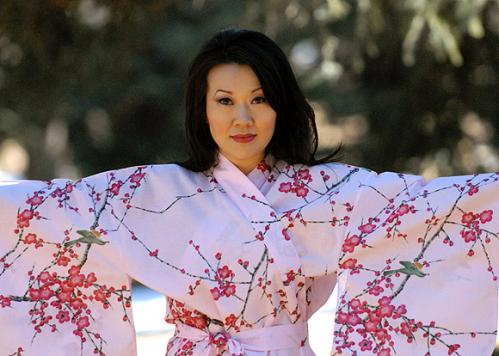
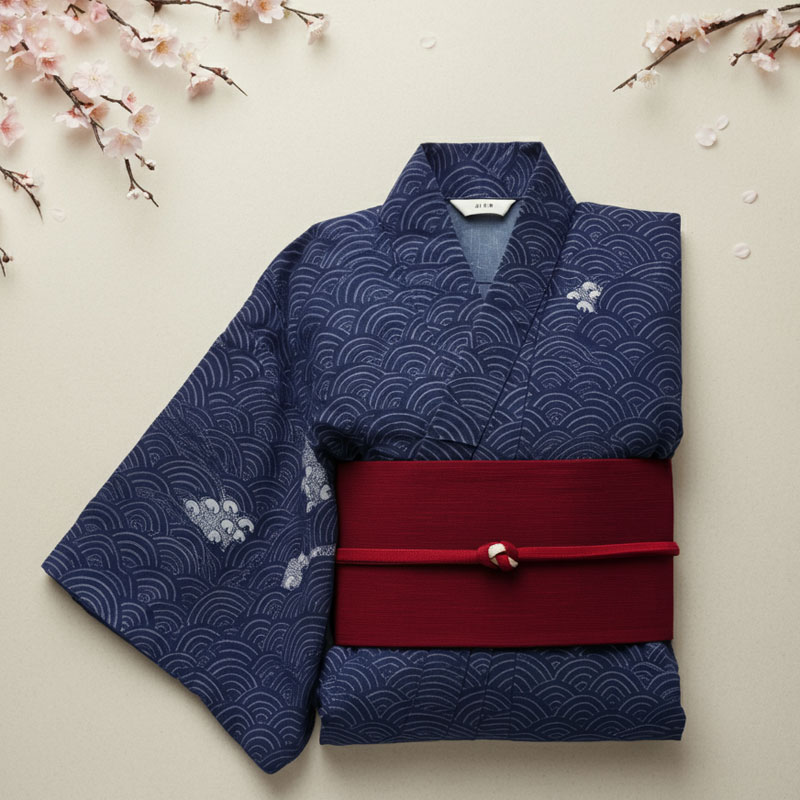
Lightweight cotton cherry blossom yukata for women

Pink Cherry Blossom Yukata

Regional Textile Traditions: Nishijin-ori, Oshima Tsumugi, Kaga Yuzen

Wednesday, December 17th, 2025

Japan is a country where geography and artistry are intricately intertwined. Travel from the snowy peaks of Ishikawa to the tropical islands of Kagoshima, and you will find that the local textiles tell the story of the land itself. The history of the kimono is not just about fashion; it is a tapestry of regional techniques passed down through centuries of dedicated artisans.

For enthusiasts of Japanese culture and textile art, understanding these regional differences unlocks a deeper appreciation of the craft. It transforms a beautiful garment into a map of history, climate, and local pride.

In this guide, we will journey through three of Japan’s most celebrated textile traditions: the opulent weaves of Kyoto’s Nishijin-ori, the intricate mud-dyed silks of Oshima Tsumugi, and the breathtaking hand-painted artistry of Kaga Yuzen. Each represents a different pinnacle of Japanese craftsmanship, preserving ancient skills in a modern world.

Nishijin-ori: The Brocade of Emperors

When you imagine a dazzling, gold-flecked obi sash worn at a formal wedding, you are likely picturing Nishijin-ori. Originating in the Nishijin district of Kyoto, this weaving style is synonymous with luxury, high status, and incredible complexity.

A History Woven in Kyoto

The roots of Nishijin weaving go back over 1,200 years, flourishing when Kyoto became the imperial capital in 794. The area became a hub for weavers supplying the Imperial Court and aristocracy. The name “Nishijin” (meaning “Western Camp”) actually dates back to the Onin War in the 15th century, when displaced weavers returned to the site of the western army’s encampment to restart their trade.

The Technique: Painting with Thread

Nishijin-ori is not a single technique but a collection of complex weaving methods. Its defining characteristic is the use of pre-dyed yarns to create elaborate patterns directly into the fabric, rather than dyeing the fabric afterward.

  • Jacquard Power: Modern Nishijin often uses Jacquard looms, but the most prestigious pieces are still hand-woven.
  • Gold and Silver: A signature element is the heavy use of gold and silver foil threads, giving the fabric a three-dimensional, luminous quality.
  • Precision: Some patterns are so intricate they resemble paintings. The weaver must manually lift specific warp threads to insert the weft, a process that can take days to produce just a few centimeters of fabric.

Modern Relevance

Today, Nishijin-ori is the gold standard for formal obi (maru obi and fukuro obi) and kimono. However, the industry is innovating to survive. You can now find Nishijin techniques applied to luxury neckties, interior decor, and even high-end western accessories, proving that this ancient courtly style can adapt to contemporary life.

Oshima Tsumugi: The Mud-Dyed Masterpiece

Far from the imperial courts of Kyoto lies the island of Amami Oshima in Kagoshima Prefecture. Here, artisans create Oshima Tsumugi, a textile that looks deceptively simple from a distance but reveals mind-blowing complexity up close.

Born from Nature

Oshima Tsumugi is a type of silk pongee (woven from spun raw silk). Despite being 100% silk, it doesn’t have the glossy sheen of satin. Instead, it is matte, lightweight, and incredibly wrinkle-resistant. Historically, it was a durable fabric for everyday wear, but the immense labor involved has elevated it to a status of luxury.

The Process: Mud and Ikat

The creation of Oshima Tsumugi is unique in the world of textiles, relying on a specific combination of local flora and geology.

  1. Teichigi Dyeing: Threads are dipped hundreds of times in a dye made from the Japanese hawthorn (Teichigi) tree, turning them red.
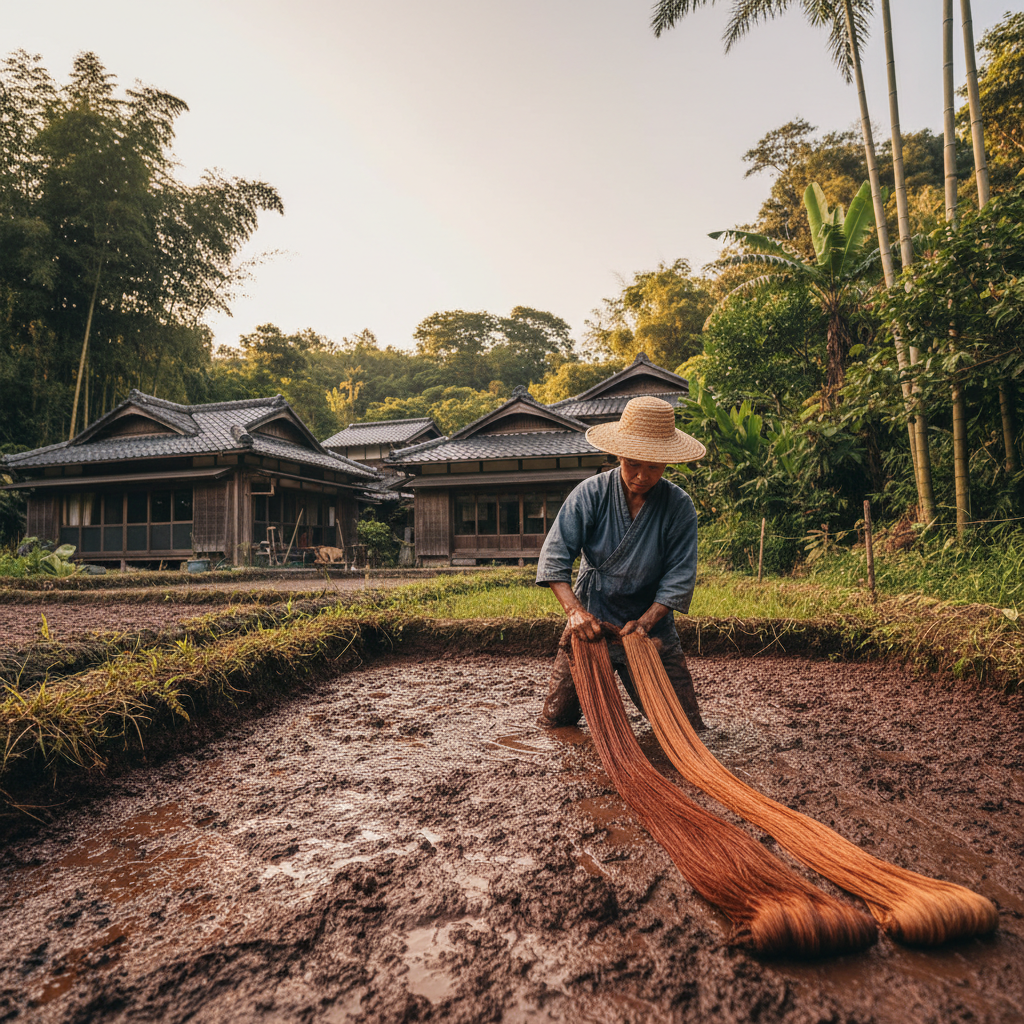
  2. Mud Dyeing (Dorozome): This is the magic step. The red threads are immersed in the iron-rich mud of local rice paddies. The iron reacts with the tannins in the wood dye, turning the silk a deep, rich, lacquer-black. This process also strengthens the fiber, making it incredibly durable.
  3. Kasuri (Ikat) Weaving: Before weaving, threads are spot-dyed to create white dots. When woven, these dots must align perfectly to form precise geometric patterns. This technique, known as kasuri, requires mathematical precision. A single millimeter of error can ruin the pattern.

Why It Matters

Authentic Oshima Tsumugi takes anywhere from six months to a year to produce. It is often called the “queen of kimono textiles” for casual wear. It represents a harmony between the artisan and the island’s unique natural resources—a fabric that literally could not exist anywhere else.

Kaga Yuzen: The Art of Realistic Beauty

Moving north to Kanazawa in Ishikawa Prefecture, we find Kaga Yuzen. While Kyoto has its own famous dyeing style (Kyo Yuzen), the Kaga style offers a different aesthetic philosophy—one grounded in realism and the quiet beauty of nature.

The Kaga Aesthetic

Established in the mid-17th century, Kaga Yuzen is a dyeing technique used to paint patterns directly onto silk cloth. Unlike the stylized, often gold-embellished designs of Kyoto, Kaga Yuzen focuses on Kaga Gosai—five specific colors: indigo, crimson, ocher, grass green, and ancient purple.

Techniques of the Trade

The hallmark of Kaga Yuzen is bokashi, or shading. Artisans use this gradient technique to give depth to flowers and leaves, making them look almost photographic.

  • Worm-Eaten Leaves: A unique and charming feature of Kaga Yuzen is the depiction of “mushikui”—leaves that appear to be eaten by insects. This embraces the Japanese aesthetic of wabi-sabi, finding beauty in imperfection and the natural cycle of life.
  • No Gold: Unlike Kyoto styles, which often feature gold leaf or embroidery, Kaga Yuzen relies solely on the mastery of the dyeing brush. The luxury comes from the painterly skill, not the addition of precious metals.

Cultural Significance

Kaga Yuzen kimonos are prized for their elegance and dignity. They are often worn for tea ceremonies and formal visits. The craft demands patience; a single artist often oversees the entire process from sketching the design to the final wash, ensuring a singular artistic vision remains intact.

Conclusion: Wearing History

Whether it is the dazzling brocade of Nishijin, the earthy resilience of Oshima Tsumugi, or the painterly grace of Kaga Yuzen, these traditions are more than just methods of making cloth. They are the identities of their regions.

In a world of fast fashion, these textiles remind us of the value of slowness. They speak of artisans who dedicate their lives to mastering a single craft, and of a culture that sees clothing not as disposable, but as a vessel for history, nature, and art. Owning or even just witnessing these fabrics is a way to keep these vibrant stories alive.

Frequently Asked Questions (FAQ)

1. What is the difference between Nishijin-ori and regular silk?
Nishijin-ori refers specifically to high-end woven textiles from the Nishijin district in Kyoto. Unlike printed silk, Nishijin fabrics have patterns woven directly into the cloth using pre-dyed threads, often including gold and silver foil, creating a textured, brocade-like finish.

2. Can Oshima Tsumugi be worn for formal occasions?
Traditionally, no. Despite being expensive and highly prized, Oshima Tsumugi is a type of tsumugi (woven, spun silk), which is considered casual wear in kimono etiquette. It is perfect for dinner parties, theater outings, or casual gatherings, but not for formal weddings.

3. Why is Kaga Yuzen painted with “imperfections” like bug bites?
The “worm-eaten leaf” motif (mushikui) is a signature of the Kaga Yuzen style. It reflects a realistic observation of nature and the aesthetic of finding beauty in natural, imperfect states, distinguishing it from the more idealized or stylized nature motifs found in Kyoto designs.

4. Are these traditional textiles still being made today?
Yes, but the number of skilled artisans is declining. Each of these traditions requires decades of training. While production volume has decreased, dedicated associations and master craftsmen in Kyoto, Kagoshima, and Ishikawa continue to produce these masterpieces and train the next generation.
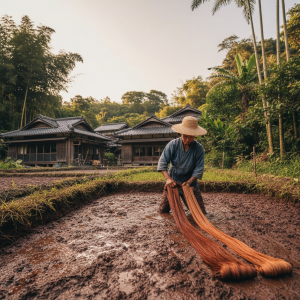
Mud dyeing process

Why Chopa is Your Trusted Source for Authentic Kimonos

Thursday, November 6th, 2025

Finding an authentic Japanese kimono or yukata in the United States can be a challenging search. You may worry about quality, sizing, and the hidden costs associated with international shipping. At Chopa, we’ve spent over three decades simplifying this process, connecting you directly with the timeless elegance of Japanese craftsmanship. We are more than just a store; we are your trusted, domestic source for quality, authentic Japanese robes.

This post will show you why discerning customers have chosen us since 1994. We’ll cover how our direct import model saves you money and hassle, why our US-based operations provide unmatched convenience, and how our commitment to quality and variety makes us the premier destination for kimonos online.

The Kimono Shop Advantage: A Seamless Shopping Experience

We built our business to eliminate the barriers between you and the perfect Japanese robe. Shopping with us is designed to be simple, secure, and satisfying.

Direct Importing Means No Hidden Costs

Have you ever ordered something from overseas, only to be surprised by unexpected taxes, duties, and customs fees upon delivery? We ensure that it never happens. As a direct importer, we handle all the complexities of international trade.

  • No Surprise Fees: The price you see is the price you pay. We manage all import duties and taxes so you don’t have to.
  • Hassle-Free Customs: Your order ships from our US location, so it won’t get stuck in customs. You receive your package without delays or extra paperwork.
  • Authentic Connection: By working directly with artisans in Japan, we maintain a direct line to the source, ensuring every robe we sell is genuine.

USA-Based for Fast Shipping and Easy Returns

Convenience is key. Because we are based in the United States, your entire shopping experience is faster and more reliable. When you order from Chopa, you get the peace of mind that comes with domestic service.

Enjoy fast shipping that gets your beautiful new robe to your doorstep quickly. Need to make a change? Our straightforward, US-based return process makes exchanges and returns simple. You won’t have to deal with the cost and complexity of international return shipping.

Unmatched Selection and Inclusive Sizing

A kimono is a personal expression of style and comfort. That’s why we believe everyone should be able to find a robe that fits them perfectly and reflects their unique taste.

Over 100 Styles, Patterns, and Colors

Our curated collection is one of the largest available online, featuring more than 100 distinct options. Whether you prefer the lightweight comfort of a cotton yukata for summer or the luxurious feel of a classic silk kimono, you will find it here. Our selection includes traditional florals, bold geometric patterns, and serene, solid colors to suit any preference.

Sizing for Every Body

We proudly offer an extensive range of sizes to ensure a comfortable and flattering fit for everyone. We understand that one size does not fit all, so we stock robes designed for various body types. Our inclusive sizing includes:

  • Petite
  • Regular
  • Portly
  • Tall
  • Big and Tall
  • Full-Figured

With our detailed sizing guides, you can confidently choose the right kimono or yukata that feels made just for you.

Quality You Can Feel, Prices You Can Trust

We are committed to offering exceptional value. We believe that authentic, high-quality Japanese robes should be accessible without an exorbitant price tag.

Made in Japan by Skilled Craftspeople

Every kimono and yukata in our collection is crafted in Japan. We partner with dedicated artisans who have honed their skills over generations. This commitment to authentic Japanese craftsmanship is evident in the fine stitching, beautiful fabrics, and durable construction of every robe. When you wear a Chopa kimono, you are wearing a piece of genuine artistry.

Competitive Pricing for Superior Quality

By importing directly and managing our operations efficiently, we can offer our authentic robes at competitive prices. You receive a garment of superior quality—one that will last for years—at a fair price. We provide an affordable entry into the world of authentic Japanese textiles without ever compromising on quality.

A Legacy of Trust Since 1994

For over 30 years, Chopa has been the go-to source for customers seeking authentic Japanese kimonos and yukatas. Our longevity is a testament to the trust we have built with our community. Many of our customers are repeat buyers who return time and again for the quality, service, and reliability they know they will receive from us. They trust our expertise and our commitment to their satisfaction.

When you shop with Chopa, you are not just making a purchase; you are joining a community that values authenticity, quality, and exceptional service.

Find Your Perfect Kimono Today

Experience the comfort, elegance, and artistry of a genuine Japanese kimono or yukata. With our vast selection, inclusive sizing, and hassle-free shopping experience, you are sure to find the perfect robe to cherish for years to come.

Browse our collection now and discover why Chopa has been the most trusted name in kimonos since 1994.

Shop Kimonos and Yukatas Now

Kimono Loungewear

Butterfly Symbolism in Japanese Culture

Friday, October 10th, 2025

The delicate flutter of a butterfly’s wings can capture the imagination, but in Japan, this graceful insect is woven into the very fabric of the nation’s art and soul. More than just a beautiful creature, the butterfly holds a mirror to life, love, and the profound beauty of fleeting moments. Understanding the meaning of butterflies in Japan opens a window into a culture that finds depth in subtlety and poetry in nature.

This rich butterfly symbolism in Japanese culture finds its most elegant expression in traditional garments. From the formal silks of a wedding kimono to the light cotton of a summer yukata, butterfly motifs tell a story of transformation, joy, and timeless elegance. We will explore the deep meanings behind these designs, see how they compare to other traditional patterns, and offer guidance on how to wear and style these beautiful pieces.

The Core Meanings of Butterflies in Japan

In Japanese art and literature, the butterfly, or chō (蝶), is a multifaceted symbol. It dances between the worlds of the living and the spiritual, embodying concepts that are central to Japanese thought.

Transformation and Rebirth

The butterfly’s journey from a humble caterpillar to a magnificent winged creature is a powerful universal metaphor for change. In Japan, this represents not just physical transformation but also personal growth and spiritual evolution. It symbolizes the soul’s journey, making it a poignant motif for marking significant life changes, from coming-of-age ceremonies to new beginnings. This idea of metamorphosis resonates deeply, reminding us that great beauty can emerge from periods of quiet development.

Feminine Beauty and Grace

With its delicate form and gentle, dancing flight, the butterfly is a powerful emblem of feminine beauty and elegance. Its association with grace makes it one of the most beloved Japanese kimono patterns. A butterfly kimono doesn’t just adorn the wearer; it imbues her with an aura of refinement and gentle strength. This symbolism dates back centuries, with courtly ladies of the Heian period (794–1185) admiring butterflies as representations of ideal feminine charm.

The Beauty of Impermanence: Mono no Aware

Perhaps the most uniquely Japanese interpretation of the butterfly is its connection to mono no aware (物の哀れ). This philosophical concept translates roughly to “the pathos of things” or an awareness of the transient, impermanent nature of life. The butterfly lives for only a short time, yet its existence is one of incredible beauty.

This serves as a reminder to cherish the present moment and find beauty in its fleetingness. Just as cherry blossoms are admired for their brief but spectacular bloom, the butterfly teaches an appreciation for ephemeral beauty. This concept, refined during the Edo period (1603-1868), is a cornerstone of Japanese aesthetics and gives the butterfly motif a deep, contemplative quality.

Love and Marital Bliss

When butterflies appear in pairs, their symbolism shifts to themes of love, partnership, and marital happiness. Two butterflies fluttering together are seen as a perfect picture of a joyful and harmonious union. For this reason, the paired butterfly motif is a popular choice for wedding attire, particularly on the bride’s uchikake (a formal, ornate outer kimono). A butterfly kimono worn at a wedding is a wish for a long, happy, and devoted life with one’s partner.

Butterflies on Kimono and Yukata: A Closer Look

The application of butterfly motifs on traditional garments is a deliberate art form. The type of garment, the season, and the occasion all influence the design.

The Elegance of the Butterfly Kimono

A butterfly kimono can be worn for various formal and semi-formal occasions. The design’s execution—from fabric to placement—speaks volumes.

  • Occasions: Butterfly motifs are especially appropriate for celebratory events like weddings, tea ceremonies, and spring festivals. They signify joy, new beginnings, and refined beauty.
  • Fabric and Design: On formal kimonos like furisode (long-sleeved kimono for unmarried women) or hōmongi (visiting wear), butterflies are often rendered in exquisite detail using techniques like yūzen dyeing or embroidery. The patterns may be scattered across the sleeves and hem or featured as a central design element.
  • Color Symbolism: The colors used can add another layer of meaning. Red and gold butterflies might signify luck and prosperity, while purple and white combinations evoke a sense of high elegance.

The Joyful Spirit of the Butterfly Yukata

The butterfly yukata, a lighter cotton garment for summer, embodies a more carefree spirit.

  • Occasions: A butterfly yukata is perfect for summer festivals (matsuri), fireworks displays, and casual summer outings. Its connection to nature and joy makes it a festive favorite.
  • Fabric and Design: Yukata designs are typically printed rather than hand-dyed. Butterfly patterns are often stylized and combined with other summer motifs like morning glories or flowing water, creating a vibrant and energetic look. The lightweight cotton is designed for comfort in warm, humid weather.
  • Modern Loungewear: Today, this beautiful symbolism extends to modern loungewear inspired by traditional robes. These pieces blend the comfort of relaxed silhouettes with the rich artistic heritage of Japanese kimono patterns, allowing you to enjoy this cultural elegance every day. See our Loungewear Collection.

Choosing Your Motif: Butterflies vs. Other Patterns

When selecting a kimono or yukata, you’ll encounter many beautiful Japanese kimono patterns. Understanding how butterflies compare to other popular motifs can help you choose the one that speaks to you.

  • Butterflies vs. Sakura (Cherry Blossoms): While both are tied to spring and the concept of mono no aware, butterflies represent dynamic transformation and personal growth. Sakura, on the other hand, symbolizes renewal and the collective beauty of a fleeting moment.
  • Butterflies vs. Cranes (Tsuru): Cranes are symbols of longevity, good fortune, and fidelity, as they are believed to live for a thousand years and mate for life. They are a very auspicious and formal motif, often reserved for weddings. Butterflies offer a softer, more personal symbolism related to beauty, grace, and change.

Ultimately, the choice is personal. A butterfly kimono is ideal for someone celebrating personal transformation or wishing to express grace and joy.

How to Style Your Butterfly Kimono or Yukata

Wearing a traditional Japanese garment is an art. Here are some tips to help you style your piece with grace.

  • Obi Selection: The obi (sash) is key to the overall look. For a multi-colored butterfly kimono, pick a dominant color from the pattern for your obi to create a cohesive look. Alternatively, choose a complementary color for a bold, modern statement. A yellow obi with a blue kimono, for instance, can be stunning.
  • Accessories: Keep accessories simple to let the garment shine. A traditional kanzashi (hair ornament), perhaps with a subtle butterfly or floral motif, is a perfect touch. Pair with simple zōri (sandals) and a kinchaku (drawstring bag).
  • Hairstyles: An elegant updo is traditional and practical, as it keeps your neck cool and showcases the beautiful collar of the kimono or yukata. Simple, clean hairstyles complement the intricate patterns.

Buyer’s Guide: Finding the Perfect Piece

When investing in a butterfly kimono or butterfly yukata, consider these factors:

  • Fit: Traditional garments are sized differently. Pay attention to the mitake (length from shoulder to hem) and yuki (sleeve span). Most can be adjusted with the obi.
  • Fabric: Silk is for a formal kimono, offering a luxurious drape. Cotton is standard for yukata, prized for its breathability. Modern pieces may use blends like cotton-satin or rayon for easy care.
  • Craftsmanship: Look at the quality of the print or embroidery. Even on printed yukata, crisp lines and vibrant colors are a sign of good quality.
  • Care: Check the care instructions. Silk kimonos require professional cleaning, while most cotton yukata can be hand-washed or machine-washed on a delicate cycle.

A Note on Cultural Etiquette

Wearing a kimono or yukata is a way of appreciating Japanese culture. To do so respectfully, ensure you are wearing it correctly. The most critical rule is to always wrap the left side over the right side. The opposite (right over left) is reserved for dressing the deceased for burial.

Frequently Asked Questions

1. What does a butterfly mean on a kimono?
A butterfly on a kimono carries several meanings. It most often symbolizes feminine beauty, grace, and personal transformation. When shown in pairs, butterflies represent marital bliss and a happy union. The butterfly symbolism in Japanese culture is rich, also connecting the insect to the soul and the joyful spirit of summer.

2. Is a butterfly yukata appropriate for festivals?
Absolutely. A butterfly yukata is a perfect choice for summer festivals (matsuri). The butterfly is a symbol of joy, summer, and carefree beauty, which aligns perfectly with the festive atmosphere. It’s a very popular and appropriate motif.

3. What are the best colors for butterfly motifs?
There are no “wrong” colors, as it depends on the desired mood. Bright colors like red, pink, and yellow create a youthful and joyful feeling. Deeper colors like indigo, purple, and black lend an air of sophistication and elegance. The background color of the fabric is just as important in setting the overall tone.

4. Can men wear butterfly patterns?
Traditionally, butterfly motifs are considered feminine and are almost exclusively found on women’s garments. Men’s kimono patterns tend to feature geometric designs, landscapes, or more “masculine” symbols like dragons or tigers.

Embrace the Beauty of Transformation

The butterfly is more than a pattern; it is a piece of poetry you can wear. It tells a story of change, beauty, and the quiet wisdom of appreciating every moment. The rich butterfly symbolism in Japanese culture adds a layer of depth and meaning, transforming a beautiful garment into a personal statement.

Are you ready to find the design that reflects your own journey? Explore our curated collection of butterfly-themed kimonos, yukata, and loungewear, and let this timeless symbol of elegance become a part of your story.

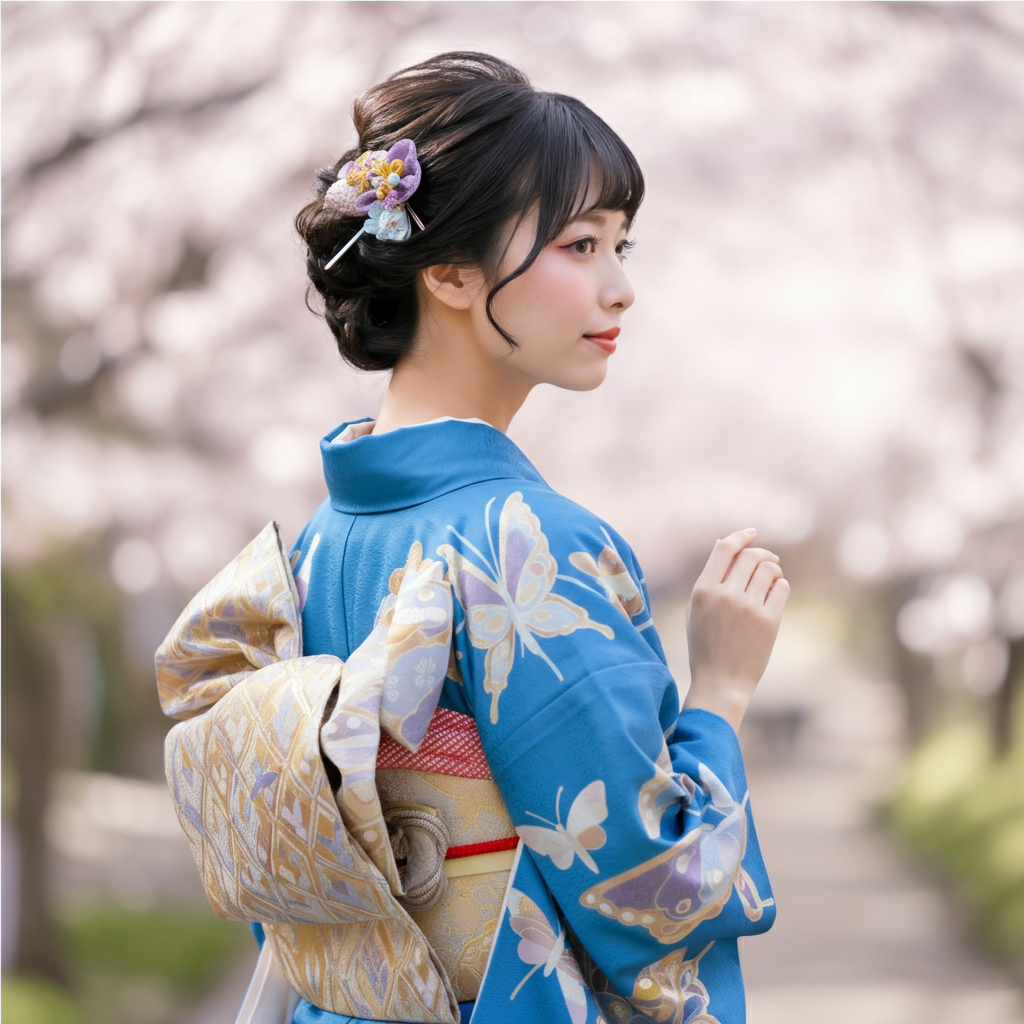
butterfly kimono

Butterfly Kimono

Seasonal Trends: What’s Hot This Season? Happi Coat Robes!

Thursday, July 10th, 2025

This season, one classic yet versatile garment is making waves in the fashion world — the Happi Coat. A shorter-length version of the traditional kimono or yukata, Happi Coats are effortlessly stylish, lightweight, and perfect for a range of occasions. At Chopa.com, we’re proud to offer a curated selection of these timeless beauties, blending cultural heritage with modern appeal. Whether you’re looking for something traditional or trendy, Happi Coats are a must-have addition to your wardrobe this season.

The Timeless Appeal of Happi Coats

Happi Coats hold deep cultural significance in Japanese fashion and history. Originally used by festival workers and traditional artisans, these coats were designed for practicality but soon became a symbol of respect and unity. Their short length, vibrant designs, and unique patterns made them a beloved garment for celebratory occasions and everyday wear alike.

Today, Happi Coats have evolved into a global trend, thanks to their mix of comfort and style. Their blend of heritage artistry and modern tailoring turns every outfit into a conversation starter, seamlessly incorporating an authentic cultural touch into contemporary wardrobes.

Why Happi Coats Are Trending This Season

Here are a few reasons why Happi Coats are dominating style trends right now:

1. Versatile Styling Options

    • Dress up or down! Happi Coats pair beautifully with jeans and a simple tee for an effortlessly chic, casual look. Alternatively, layer them over a sleek black dress for an elegant statement.
    • They’re also perfect for lounging at home, offering both comfort and visual flair.

2. Season-Friendly Fabrics

    • Happi Coats are typically crafted from lightweight, breathable materials, such as cotton or linen. These fabrics are ideal for transitioning wardrobes through warm summer evenings and the breezy early days of fall.

3. Bold Prints and Designs

    • This season celebrates vibrant hues and bold prints, and Happi Coats delivers just that. From intricate floral arrangements to geometric patterns, they allow wearers to showcase their individuality while nodding to traditional Japanese aesthetics.

4. Cultural Appreciation Meets Modern Fashion

    • With growing interest in mindful purchasing and culturally significant pieces, Happi Coats are more than just garments — they’re a way to celebrate diversity through fashion.

Styling Your Happi Coat Perfectly

Not sure how to make the Happi Coat work for you? Here are some styling ideas:

  • Casual Chic: Pair a floral Happi Coat with distressed jeans, a basic white t-shirt, and sneakers for a laid-back weekend look.
  • Boho Elegance: Layer a lightweight Happi Coat over a neutral maxi dress with strappy sandals and minimalist gold jewelry.
  • Work-Appropriate: Choose a subtle patterned Happi Coat to wear over a fitted top and tailored trousers for a modern, polished office outfit.
  • Evening Glamour: Opt for a rich, dramatic color like deep navy or crimson, and layer your Happi Coat over a classic little black dress.

The possibilities are endless, which is why they’re quickly becoming a wardrobe essential!

Why Chopa.com’s Happi Coats Stand Out

At Chopa.com, we pride ourselves on offering a carefully curated selection of Happi Coats that celebrate the artistry and heritage behind these beautiful garments. Here’s why shopping for your Happi Coat at Chopa is the best choice:

  • Wide Variety: We carry Happi Coats in countless designs, from traditional motifs to contemporary patterns, ensuring there’s something for every personal style.
  • Premium Quality: Each Happi Coat is crafted from high-quality fabrics, ensuring you get durability and comfort with every wear.
  • Uniqueness You’ll Love: Many of our designs are exclusive to Chopa, meaning you’ll find one-of-a-kind pieces that stand out from the crowd.
  • Cultural Integrity: We honor the cultural roots of Happi Coats by sourcing authentic designs inspired by Japanese traditions.

When you shop at Chopa.com, you’re not just purchasing a garment — you’re investing in a piece of history, carefully tailored for today’s style aficionados.

Explore the Trend Today!

There’s no better time to add a Happi Coat to your wardrobe than now. Its versatility, cultural significance, and contemporary appeal make it a standout choice for any season. From casual outings to elegant evenings, these coats epitomize functional fashion.

Discover the perfect Happi Coat for your style by exploring our extensive collection at Chopa.com. Make this season your most stylish yet with timeless pieces that speak volumes. Start shopping today and see why Happi Coats are this season’s hottest trend!

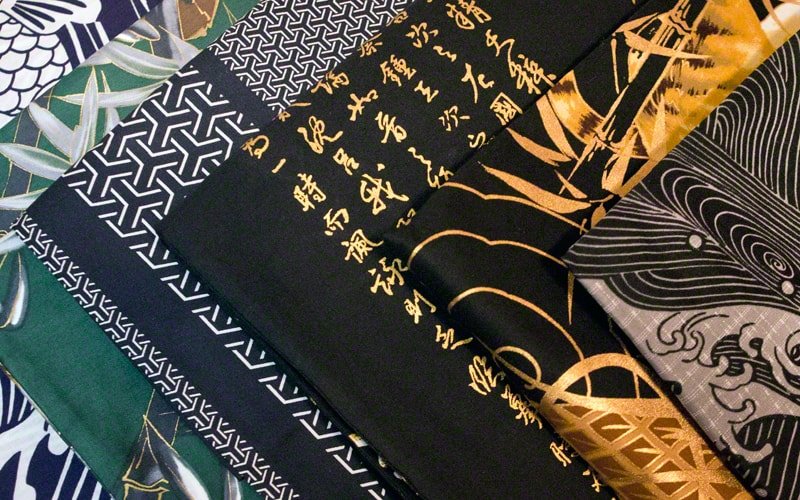
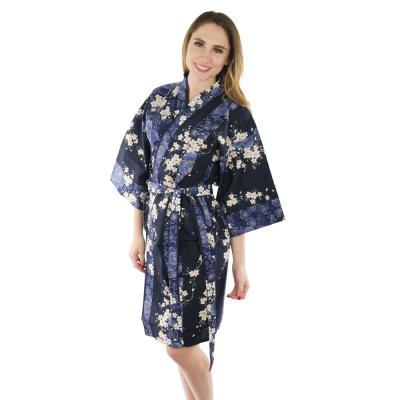
Short-length Happi Coat Kimono

Japanese Happi Coat