Archive for the ‘Clothing’ Category

The Ultimate Loungewear: Why You Need a Kimono

Tuesday, March 10th, 2026

Finding the perfect loungewear often feels like a compromise. You might choose between something comfortable and something stylish, or between something that feels good and something easy to care for. What if you could have it all? Enter the world of traditional Japanese garments: the kimono and the yukata. These pieces are making a graceful transition from ceremonial wear to the ultimate choice for at-home relaxation, blending unparalleled comfort, effortless style, and practical benefits.

This post will explore why a cotton kimono or yukata deserves a special place in your wardrobe. We will look at how their design offers supreme comfort, how simple they are to maintain, and how they bring a touch of timeless elegance to your daily routine—all without a hefty price tag.

Effortless Comfort and Unmatched Ease

One of the most compelling reasons to adopt a kimono or yukata for lounging is its sheer simplicity. Forget about tight waistbands, restrictive seams, and complicated fastenings. These garments are designed for freedom of movement.

The Beauty of a Simple Design

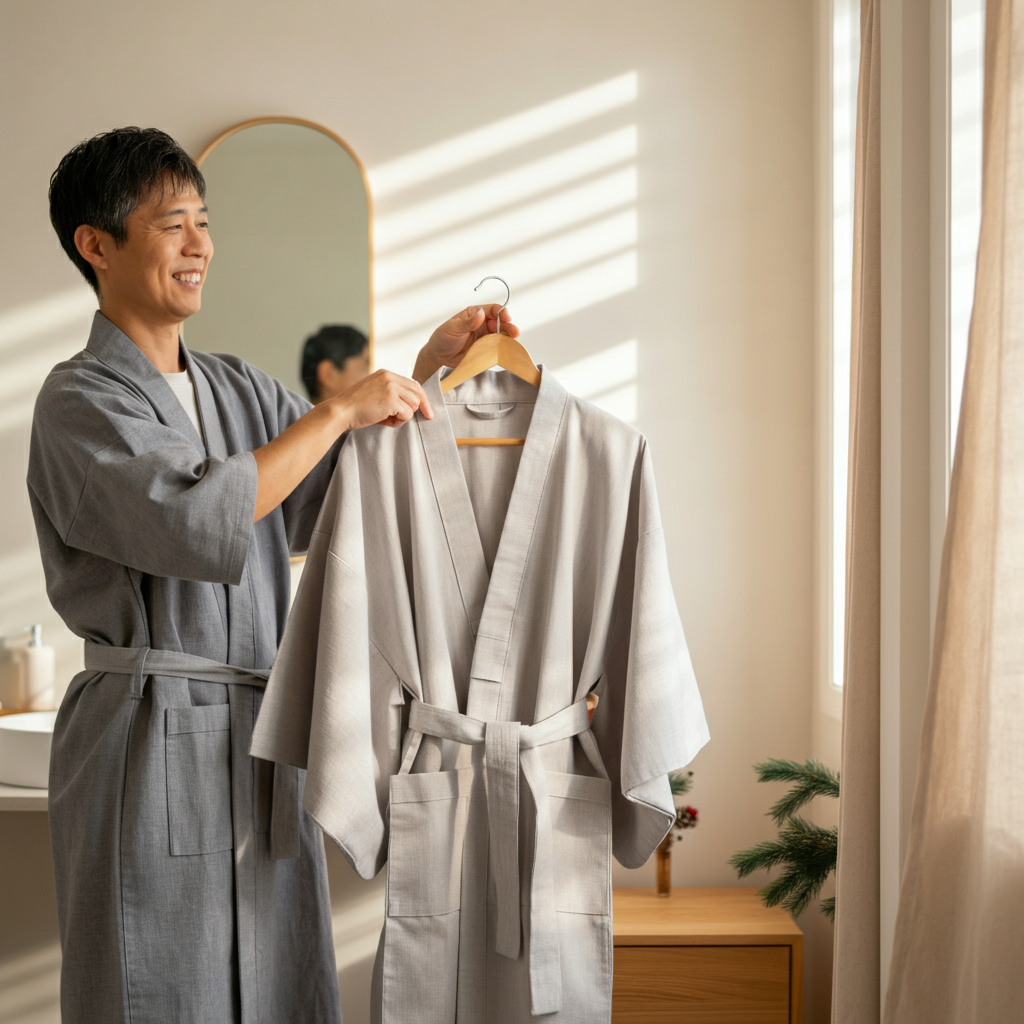
A kimono is constructed from straight-line cuts of fabric, creating a T-shaped robe that drapes beautifully over the body. You simply wrap it around you and secure it with a sash, or obi. This design allows for a customizable fit that accommodates different body shapes and sizes, ensuring you never feel constricted. The loose, flowing sleeves and generous cut promote air circulation, keeping you cool and comfortable whether you’re enjoying a morning coffee or winding down in the evening.

From Morning Routine to Evening Relaxation

The ease of slipping into a kimono makes it a versatile piece for any part of your day. It’s the perfect robe to throw on after a shower, providing a soft and absorbent layer. It’s also an elegant alternative to a standard dressing gown for starting your day or relaxing before bed. The transition is seamless, offering a sense of calm and grace to your at-home moments.

The Practical Perk of Easy-Care Cotton

While silk kimonos are known for their luxuriousness, the everyday hero of loungewear is the cotton yukata. Originally worn for bathing, the yukata is a lighter, more casual version of the kimono, typically made from soft, breathable cotton. This choice of fabric is not only comfortable but also incredibly practical.

Say Goodbye to Complicated Washing Instructions

Cotton yukatas and kimonos are refreshingly low-maintenance. Unlike delicate fabrics that require special handling, most cotton versions can be machine-washed in cold water. This makes them a stress-free option for daily wear. You can relax in your favorite loungewear without worrying about spills or the hassle of dry cleaning. The durability of cotton means your garment will maintain its softness and shape wash after wash, becoming even more comfortable over time.

Breathable and Gentle on the Skin

The feel of soft cotton against your skin is a simple luxury. It’s a natural, hypoallergenic fiber that is gentle and breathable. This is especially beneficial for loungewear, as it helps regulate your body temperature and keeps you comfortable through changing seasons. The lightweight nature of the cotton yukata makes it ideal for warmer months, while a slightly thicker cotton kimono can provide a cozy layer during cooler weather.

Timeless Style and Understated Elegance

Choosing a kimono or yukata as loungewear is also a style statement. It’s a way to embrace beauty and elegance in your everyday life, transforming the simple act of relaxing at home into a more refined experience.

A Rich History of Beauty

Kimonos are adorned with a vast array of patterns, each with its own symbolism and history. From delicate cherry blossoms and graceful cranes to bold geometric designs, these patterns add a layer of artistry and meaning to the garment. Wearing one connects you to a tradition of craftsmanship and aesthetic appreciation. While you may be at home, you are draped in a piece of art that is both beautiful and functional.

Elevate Your At-Home Look

Swapping your old t-shirt and sweatpants for a kimono instantly elevates your loungewear game. It brings a sense of intention and sophistication to your relaxation time. This simple change can positively impact your mindset, helping you feel more put-together and serene even on the quietest of days. It’s a form of self-care, allowing you to surround yourself with beauty and comfort.

An Affordable Luxury: True Value for Your Money

Perhaps the most attractive aspect of embracing kimonos and yukatas for loungewear is their accessibility. While intricate, formal kimonos can be very expensive, high-quality cotton yukatas and casual kimonos are available at very reasonable prices.

This combination of durability, timeless style, and supreme comfort offers incredible value. You are investing in a versatile garment that you will reach for day after day. It’s a piece that won’t quickly wear out or go out of style, making it a sustainable and thoughtful addition to your wardrobe. You get to enjoy a touch of luxury and a world of comfort without a significant financial outlay.

Discover Your Perfect Loungewear Today

The search for the perfect loungewear ends here. A kimono or yukata offers a unique blend of benefits that are hard to find in other garments. The ease of wearing, the simple care of soft cotton, the timeless beauty of the designs, and the luxurious feel against your skin all come together in one perfect package.

By choosing a kimono, you are not just selecting a piece of clothing; you are embracing a lifestyle of comfort, elegance, and mindful relaxation. It’s an affordable luxury that provides true value and transforms your home into a personal sanctuary.

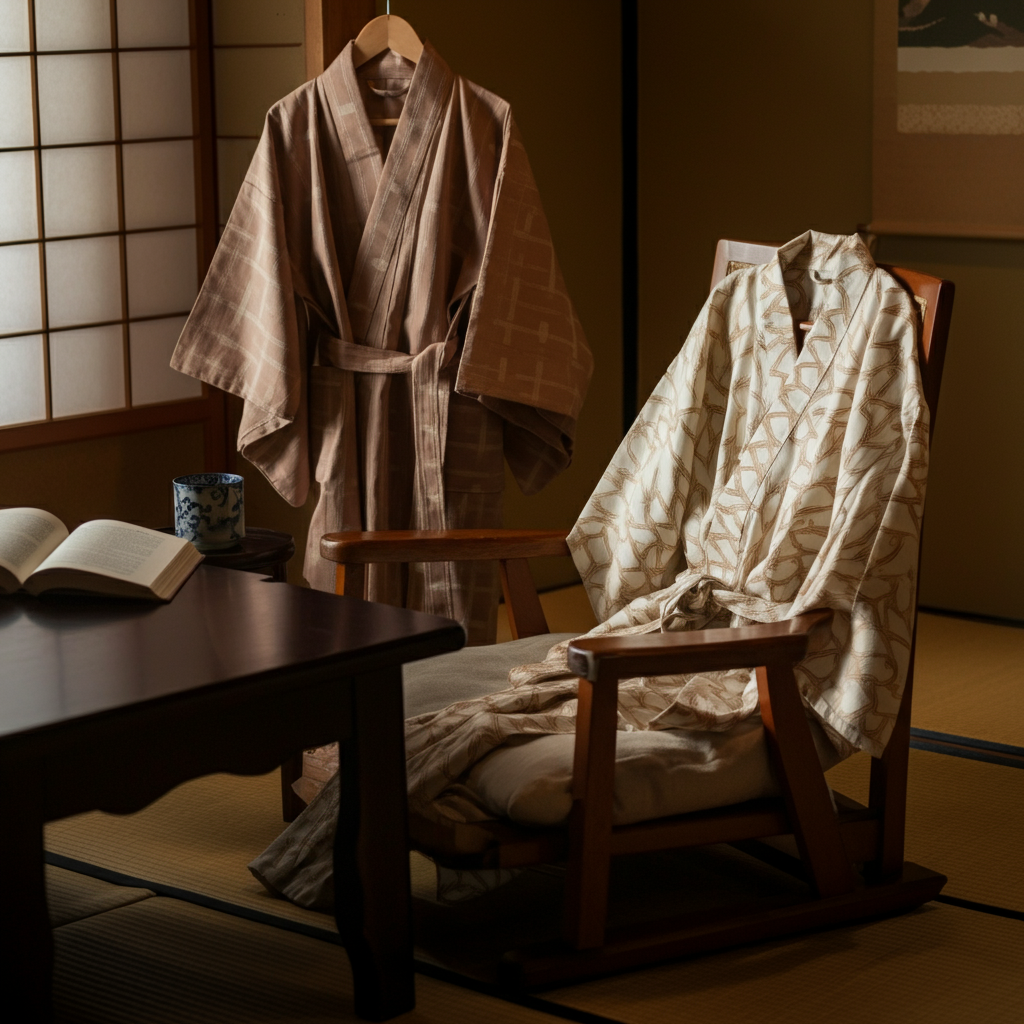
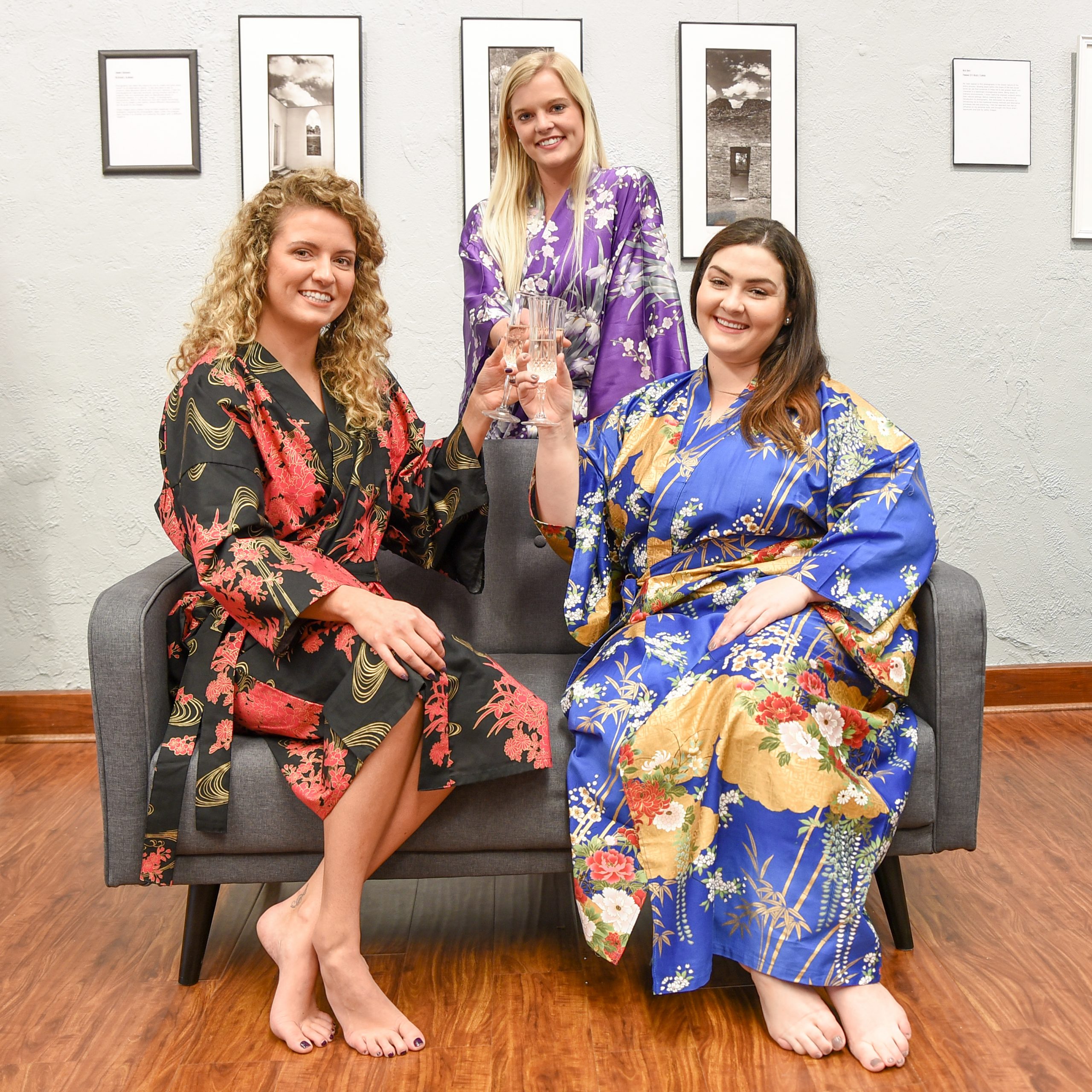
Soft cotton yukatas are perfect for loungewear.

Kimono Shop Online

The Timeless Elegance of Authentic Japanese Kimonos

Wednesday, March 4th, 2026

Step into a rich tradition of artistry and grace. The Japanese kimono is an enduring symbol of beauty, carefully woven with centuries of history and profound cultural significance. Draping a beautifully crafted kimono over your shoulders allows you to experience a story of meticulous craftsmanship and heritage. These garments carry the spirit of the artisans who design them and the generations who have cherished them.

Celebrating 33 years of kimono perfection, our employee-owned company has passionately shared this legacy with the world. Our deep appreciation for quality fabrics, unique patterns, and exceptional comfort guides everything we do. We believe that choosing a traditional Japanese garment is a deeply personal journey, one that connects you to an elegant and refined aesthetic.

We invite you to explore the beautiful world of traditional Japanese attire. By understanding the subtle differences between our most beloved garments, you can find the perfect piece that resonates with your personal style and needs.

Understanding the Art of Traditional Garments

The beauty of Japanese clothing lies in its incredible variety. Each style serves a unique purpose, carefully tailored to different seasons, occasions, and levels of formality.

The Classic Kimono

The kimono represents the pinnacle of Japanese elegance. Traditionally worn for formal events, ceremonies, and special gatherings, the classic kimono features long, flowing sleeves and intricate patterns. We carefully select premium fabrics to ensure that every kimono drapes beautifully and feels luxurious against the skin. The vibrant colors and elegant motifs often reflect the changing seasons, allowing you to wear a piece of nature’s beauty.

The Breezy Yukata

When the warm summer months arrive, the yukata offers a beautifully comfortable alternative. Originally worn as a bathing robe, the yukata has evolved into a popular garment for summer festivals, fireworks displays, and relaxed evening strolls. Crafted from lightweight, breathable cotton, a yukata keeps you cool while maintaining an effortless sense of style. The patterns tend to be playful and bold, bringing a festive energy to your wardrobe.

The Versatile Happi Coat

For those seeking a touch of Japanese tradition in a shorter, more casual silhouette, the happi coat is a wonderful choice. Historically worn during festivals and by craftsmen, the happi coat is a straight-cut, lightweight jacket. Today, it serves as a comfortable and stylish layering piece for everyday wear or relaxing at home. Its relaxed fit and striking designs make it a beloved addition to any closet.

Craftsmanship You Can Feel

Our customers wear a story, a tradition, and a piece of craftsmanship that has been carefully selected and delivered with care. Every stitch and seam reflects a dedication to excellence. We partner with skilled artisans who understand the nuances of traditional textile design. From the initial dyeing process to the final tailored finish, our garments are crafted to withstand the test of time.

The staff at Kimono Shop works hard to ensure customer satisfaction. We take immense pride in our curated collections, ensuring that every garment meets our rigorous standards for durability and beauty. This shared passion for quality means you receive a product crafted with genuine love and respect for the culture it represents.

Finding Your Perfect Fit and Style

Selecting the right kimono or yukata should be a joyful and seamless experience. We offer a wide range of sizes to ensure that everyone can enjoy the elegance of traditional Japanese clothing. Our friendly and attentive customer service team is always ready to help you navigate our collection.

Consider the occasions you plan to attend and the fabrics that bring you comfort. A crisp cotton yukata might be perfect for hosting a summer garden party, while a beautifully patterned silk-blend kimono could be the ideal choice for an upcoming formal celebration. Whatever you choose, the right garment will make you feel confident and deeply connected to a timeless tradition.

Frequently Asked Questions

What is the main difference between a kimono and a yukata?

The primary difference lies in the fabric and the occasion. Kimonos are typically made from heavier, luxurious materials like silk or fine synthetic blends and are worn for formal events. Yukatas are crafted from unlined, breathable cotton and are designed for casual, warm-weather wear.

How should I care for my authentic Japanese garment?

Care instructions vary depending on the fabric. Cotton yukatas and happi coats can often be gently hand-washed or machine-washed on a delicate cycle in cold water. Formal kimonos, especially those made of silk, usually require professional dry cleaning to preserve their intricate dyes and structural integrity.

Do I need special accessories to wear these garments?

To achieve the traditional look, a kimono or yukata is typically secured with a belt called an obi. You might also want to pair your outfit with traditional footwear, such as geta or zori. However, many of our customers enjoy wearing our garments open as beautiful, flowing robes around the home.

Embrace a Legacy of Excellence

When you choose Chopa, you are choosing a legacy of excellence. We want our customers to have a smooth and pleasant shopping experience, from the moment you browse our unique patterns to the day your new garment arrives at your door.

We warmly invite you to explore our extensive collection of Japanese kimonos, yukatas, and short-length happi coats. Discover the perfect piece to enrich your wardrobe and become part of a beautiful, enduring tradition today.

Luxury loungewear, Japanese Kimonos and Yukata

Kimonos Make Great Gifts

What is a “Vintage” Kimono?

Tuesday, February 24th, 2026
The term “vintage” carries different meanings depending on the context. For some, it evokes the memory of a fine wine, carefully noting the year it was produced. Others might think of a classic car their grandfather cherished or an antique treasure discovered at a garage sale. In the world of kimonos, however, “vintage” typically refers to pre-owned kimonos and yukata robes. In recent years, the market for “vintage” clothing has grown significantly, with many dealers specializing in these unique garments. Often, the term “vintage” is used more as a marketing tool than a precise descriptor. After all, “vintage” sounds far more appealing than “used,” much like how car dealerships prefer the term “pre-owned.” But why do people gravitate toward pre-owned clothing? For some, it’s about finding a bargain. Others are drawn to the charm of a one-of-a-kind piece that adds character to their wardrobe. And then there are the true enthusiasts—those who scour resale shops or online marketplaces in search of that perfect, storied garment. Do We Sell Vintage Kimonos? Occasionally, we receive inquiries about vintage kimonos—whether we sell them or are interested in buying them. The short answer is no; we do not. At Chopa, we focus exclusively on offering new Japanese robes, with nearly 100 styles of kimono and yukata for men, women, and kids available in our online store, www.chopa.com. What Defines a Vintage Kimono? The definition of a “vintage” kimono is surprisingly elusive. Does it mean the kimono was made in a particularly “good” year, like a fine wine? Does it need to be 20 years old to qualify, or is three years enough? Is “vintage” simply a more elegant way of saying “old”? Our exploration of the vintage kimono market revealed a lack of clear standards in a fragmented arena. The term seems to be applied arbitrarily, with little consistency. A used kimono might be found at a garage sale, but often, there is no reliable backstory. Sellers are frequently vague, offering explanations like, “It was a gift from a family member” or “Someone brought it back from Japan years ago, and it’s been in storage ever since.” The Vintage Kimono Market Like many industries, the vintage kimono market includes both wholesalers and retailers. Wholesalers often purchase kimonos in bulk—sometimes by the pallet—through auctions or sight-unseen deals. These bundles are then sorted and graded. The best pieces are selected for resale, while those in average condition may be passed along to other dealers. Kimonos in poor condition are often repurposed, with their fabric used for art, design, or crafting projects like quilts or reconstructed garments. When shopping for vintage kimonos, you will often encounter grading systems. However, these are highly subjective and vary widely between sellers. Grading might range from “A to AA” or “Good to Very Good,” but the criteria are rarely standardized. For example, one seller might describe a “Condition C” kimono as “well-used with clear signs of wear and staining, suitable for casual or decorative purposes.” Another might label a robe as “Top Grade” with vague descriptions like “fabric is in great condition” or “patterns are wonderful.” If you are shopping by grade, it is essential to do your homework. Ask questions about the seller’s expertise: How long have they been in business? Do they have experience in Japan or the kimono industry? What criteria do they use for grading? What to Consider When Buying Vintage Kimonos When purchasing a vintage kimono, there are several factors to keep in mind:
  1. Condition and Cleanliness: Ads often mention flaws like “light staining” or “some spotting.” Do not hesitate to ask for details—what caused the stains, and how was the kimono cleaned? With heightened awareness of infectious diseases, including COVID-19, it’s wise to exercise caution.
  2. Storage Conditions: Inquire about how the kimono was stored. Was it kept in a climate-controlled environment, or was it exposed to high humidity and heat in an old warehouse? Musty or moldy odors can be a red flag, especially for those with respiratory concerns.
  3. Authenticity and Story: Some vintage kimonos come with fascinating histories, while others may lack any provenance. If the story behind the garment matters to you, be prepared to ask questions and verify details.
Is a Vintage Kimono Right for You? Ultimately, the decision to purchase a vintage kimono is a personal one. The market is filled with beautiful, unique pieces, each with its own charm and potential story. However, as with any form of art or collectible, it is important to research, investigate, and approach each purchase with care. Whether you are a seasoned collector or a first-time buyer, the world of vintage kimonos offers a treasure trove of possibilities. Happy shopping, and may you find the perfect piece to add to your collection!

Kimono Market in Japan

Seasonal Trends: What’s Hot This Season? Happi Coat Robes!

Thursday, July 10th, 2025

This season, one classic yet versatile garment is making waves in the fashion world — the Happi Coat. A shorter-length version of the traditional kimono or yukata, Happi Coats are effortlessly stylish, lightweight, and perfect for a range of occasions. At Chopa.com, we’re proud to offer a curated selection of these timeless beauties, blending cultural heritage with modern appeal. Whether you’re looking for something traditional or trendy, Happi Coats are a must-have addition to your wardrobe this season.

The Timeless Appeal of Happi Coats

Happi Coats hold deep cultural significance in Japanese fashion and history. Originally used by festival workers and traditional artisans, these coats were designed for practicality but soon became a symbol of respect and unity. Their short length, vibrant designs, and unique patterns made them a beloved garment for celebratory occasions and everyday wear alike.

Today, Happi Coats have evolved into a global trend, thanks to their mix of comfort and style. Their blend of heritage artistry and modern tailoring turns every outfit into a conversation starter, seamlessly incorporating an authentic cultural touch into contemporary wardrobes.

Why Happi Coats Are Trending This Season

Here are a few reasons why Happi Coats are dominating style trends right now:

1. Versatile Styling Options

    • Dress up or down! Happi Coats pair beautifully with jeans and a simple tee for an effortlessly chic, casual look. Alternatively, layer them over a sleek black dress for an elegant statement.
    • They’re also perfect for lounging at home, offering both comfort and visual flair.

2. Season-Friendly Fabrics

    • Happi Coats are typically crafted from lightweight, breathable materials, such as cotton or linen. These fabrics are ideal for transitioning wardrobes through warm summer evenings and the breezy early days of fall.

3. Bold Prints and Designs

    • This season celebrates vibrant hues and bold prints, and Happi Coats delivers just that. From intricate floral arrangements to geometric patterns, they allow wearers to showcase their individuality while nodding to traditional Japanese aesthetics.

4. Cultural Appreciation Meets Modern Fashion

    • With growing interest in mindful purchasing and culturally significant pieces, Happi Coats are more than just garments — they’re a way to celebrate diversity through fashion.

Styling Your Happi Coat Perfectly

Not sure how to make the Happi Coat work for you? Here are some styling ideas:

  • Casual Chic: Pair a floral Happi Coat with distressed jeans, a basic white t-shirt, and sneakers for a laid-back weekend look.
  • Boho Elegance: Layer a lightweight Happi Coat over a neutral maxi dress with strappy sandals and minimalist gold jewelry.
  • Work-Appropriate: Choose a subtle patterned Happi Coat to wear over a fitted top and tailored trousers for a modern, polished office outfit.
  • Evening Glamour: Opt for a rich, dramatic color like deep navy or crimson, and layer your Happi Coat over a classic little black dress.

The possibilities are endless, which is why they’re quickly becoming a wardrobe essential!

Why Chopa.com’s Happi Coats Stand Out

At Chopa.com, we pride ourselves on offering a carefully curated selection of Happi Coats that celebrate the artistry and heritage behind these beautiful garments. Here’s why shopping for your Happi Coat at Chopa is the best choice:

  • Wide Variety: We carry Happi Coats in countless designs, from traditional motifs to contemporary patterns, ensuring there’s something for every personal style.
  • Premium Quality: Each Happi Coat is crafted from high-quality fabrics, ensuring you get durability and comfort with every wear.
  • Uniqueness You’ll Love: Many of our designs are exclusive to Chopa, meaning you’ll find one-of-a-kind pieces that stand out from the crowd.
  • Cultural Integrity: We honor the cultural roots of Happi Coats by sourcing authentic designs inspired by Japanese traditions.

When you shop at Chopa.com, you’re not just purchasing a garment — you’re investing in a piece of history, carefully tailored for today’s style aficionados.

Explore the Trend Today!

There’s no better time to add a Happi Coat to your wardrobe than now. Its versatility, cultural significance, and contemporary appeal make it a standout choice for any season. From casual outings to elegant evenings, these coats epitomize functional fashion.

Discover the perfect Happi Coat for your style by exploring our extensive collection at Chopa.com. Make this season your most stylish yet with timeless pieces that speak volumes. Start shopping today and see why Happi Coats are this season’s hottest trend!

Short-length Happi Coat Kimono

Japanese Happi Coat

What is the Name of the Japanese Traditional Robe?

Friday, September 20th, 2024

For centuries, the Japanese kimono has captivated the world with its exquisite beauty, intricate designs, and profound cultural symbolism. But what is a kimono, exactly? How has this traditional garment evolved over time, and what role does it play in modern fashion? Let’s uncover the fascinating story of the kimono, a timeless robe that continues to enchant fashion enthusiasts, history buffs, and cultural explorers alike.

The Evolution of the Kimono

The origins of the kimono can be traced back to the Heian period (794-1185). Initially influenced by Chinese fashions, the kimono has undergone significant transformations over the centuries. During the Edo period (1603-1868), it became a symbol of status and wealth, with elaborate designs indicating the wearer’s social class. In modern times, the kimono has adapted to contemporary trends while retaining its traditional essence, making appearances in both high fashion and street style.

Cultural Significance and Symbolism

The kimono is more than just a piece of clothing; it is a symbol of Japanese culture and identity. Each element, from the choice of fabric to the patterns and colors, holds deep meaning. For example, cranes represent longevity and good fortune, while cherry blossoms symbolize the fleeting nature of life. Wearing a kimono is a way to connect with Japan’s rich heritage and to celebrate important life events such as weddings, tea ceremonies, and coming-of-age ceremonies.

Different Types of Kimono and When They Are Worn

There are various types of kimonos, each suited for different occasions:

  • Furisode: Worn by unmarried women during formal events.
  • Yukata: A casual, lightweight kimono often worn during summer festivals.
  • Tomesode: A formal kimono for married women, usually adorned with family crests.
  • Homongi: Semi-formal kimono suitable for various social gatherings.

Understanding these distinctions helps appreciate the versatility and depth of the kimono tradition.

The Intricate Art of Kimono Making

Creating a kimono is an art form that requires masterful skill and dedication. The process begins with selecting high-quality fabrics like silk or cotton. Artisans then dye and weave intricate patterns, often by hand, using techniques passed down through generations. The final step is carefully sewing the fabric into the iconic T-shape, ensuring every detail is perfect. This craftsmanship makes each kimono a unique work of art, reflecting the wearer’s personal style and the artisan’s expertise.

How the Kimono Has Influenced Global Fashion Trends

The kimono’s influence extends beyond Japan, inspiring designers worldwide. From the elegant lines and patterns of haute couture to the casual silhouettes of streetwear, elements of the kimono can be seen in various fashion trends. Brands like Gucci, Yohji Yamamoto, and Alexander McQueen have incorporated kimono-inspired designs into their collections, showcasing the garment’s timeless appeal and adaptability.

Tips for Wearing and Caring for a Kimono

Wearing a kimono involves understanding its layers and accessories:

  • Nagajuban (underwear layer)
  • Obi (belt)
  • Tabi (socks)
  • Zori (sandals)

To care for your kimono, store it in a cool, dry place, avoid direct sunlight, and gently clean it with appropriate methods to preserve the delicate fabric and intricate designs.

The Future of the Kimono in a Modern World

Despite the fast-paced changes in fashion, the kimono remains a symbol of elegance and tradition. Younger generations are rediscovering its beauty, incorporating it into their wardrobes in new and innovative ways. The kimono’s ability to adapt while maintaining its cultural significance ensures that it will continue to be cherished for years to come.

The Japanese kimono is a testament to the country’s rich cultural heritage and artistic excellence. Whether you’re a fashion enthusiast, a history buff, or a cultural explorer, understanding the kimono’s evolution, significance, and global influence offers a deeper appreciation for this timeless garment. Interested in learning more about kimonos and how they can enhance your wardrobe? Shop our online store 24 hours a day and start your journey into the world of Japanese fashion.

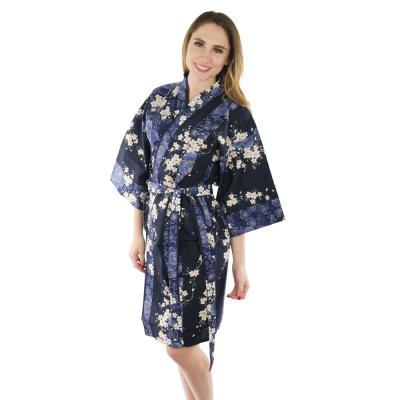
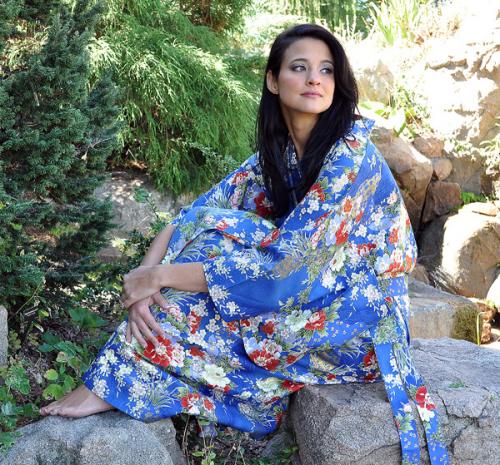
Floral kimono for women

Hanu Garden Kimono

Top 5 Best Selling Kimono Yukata of March – Find Your Style.

Sunday, April 7th, 2024

Welcome to a world where tradition meets fashion. Kimonos and yukatas have traversed through time, from ancient Japan to modern-day closets. They consistently gain popularity among both kimono enthusiasts and fashion lovers. These traditional Japanese garments are not only culturally rich but also stylishly versatile. Here, we reveal our top five most popular and best-selling kimono yukata for March.

1. Yukata – Tree of Life

Men’s Yukata: The Tree of Life Yukata is a testament to the art of longevity. Its tortoise print, revered since 2000 B.C., symbolizes stability and endurance. Samurai warriors donned similar patterns for its symbolic representation of strength. Subtle and elegant, this piece combines a timeless black, gray, and white palette that aligns perfectly with its breathability and comfort, thanks to its 100% cotton make and traditional butterfly sleeves.

2. Yukata – Eternal Chain

Men’s Yukata: Featuring an enigmatic blue and white chain design, the Eternal Chain yukata is a symbol of infinite possibilities. The interlinking chains, suggesting unending connectivity, mirror the essence of hope, life, and perpetual love. Crafted in Japan from 100% cotton with a shrink-resistant finish, this yukata balances heritage with style, delivering a message through its meticulously woven patterns.

3. Yukata – Warrior Kanji Seal

Men’s Yukata: Paying homage to the historical Japanese Shogun warriors, this navy blue yukata is adorned with striking white kanji symbols. The gold Kanji seals amplify the warrior spirit embodied within this 100% cotton garment. With a modern touch to the straight sleeves, wearers of this yukata enjoy a piece that is both comfortably practical and rich in cultural significance.

4. Yukata – Pink Cherry Blossom

Women’s Kimono Yukata: The Pink Cherry Blossom yukata is a celebration of femininity and nature’s fleeting beauty. It captures the enchanting essence of Japan’s national flower, the cherry blossom, against a soft pink canvas. This yukata’s design evokes the picturesque scenery of parks during cherry blossom season and is sure to add an air of elegance and Zen to any occasion.

5. Yukata – Dragon and Mt Fuji – Blue

Men’s Yukata: A piece that intertwines multiple symbols of power, wisdom, and natural splendor; the Dragon and Mt Fuji yukata is nothing short of majestic. The dragon and iconic Mt Fuji landscape tell a story of promise and revered heritage. Rich in detail, this 100% cotton yukata invites admiration and denotes a stature akin to the awe-inspiring mountain it depicts.

Each of our best-selling kimono and yukata come with a matching belt and are designed with ease-of-care in mind. Machine washable with cold water for optimal upkeep, your robe’s vibrancy and integrity remain intact throughout its use.

When it comes to fine craftsmanship and meaning, look no further than these treasures for the month of March. Whether you lean towards the timeless “yukata men’s” or the graceful “women’s kimono”, our collection marries tradition with ultramodern sensibilities. Celebrate your personal style with a “kimono yukata”, and carry forward a legacy wrapped in comfort and elegance.

Start your kimono and yukata adventure with us today, and don’t forget to share your moments wearing our top picks using the hashtags #kimono and #yukata. Our online Kimono Shop is open 24 hours a day, seven days a week. Allow us to introduce you to the wonderful world of Kimono Yukata and celebrate with us.

Celebrate the Kimono

Happy New Year…Lunar New Year that is!

Saturday, January 21st, 2023

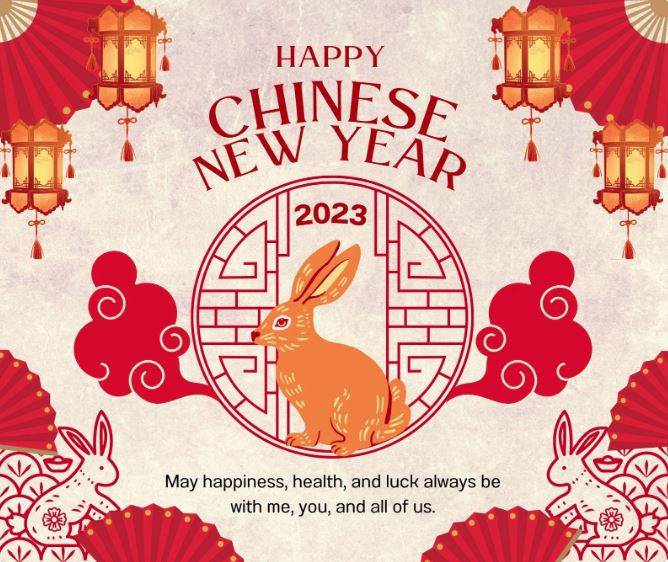
Celebrate the start of good fortune and luck as we approach Lunar New Year 2023                                                                   

Sunday, January 22nd will mark the start of a new lunar year. With it comes optimism for those born in the Year of The Rabbit. This 15-day celebration is commonly known as Chinese New Year. It is also known as the Spring Festival. The day is one of the most important holidays across Asia. This time symbolizes fresh starts and renewal to bring prosperity, happiness, and health into people’s lives.

The rabbit is one of the twelve zodiac animals featured throughout this holiday. Rabbits embody an air of peace along with long life due to their docile nature. It is considered extremely lucky amongst these twelve mythical creatures! Those born in the said zodiac are believed to be wise beyond their years with shrewd judgment. May they find prosperity during this auspicious time.

Now’s your chance to welcome abundance into your life. Act before another powerful cycle begins anew at the lunar calendar’s next turn. Make sure you don’t miss out! Let us all join in wishing good fortune upon our friends and family entering the world on such auspicious days. Happy (Lunar) New Years everyone!

Many people believe that what you do at the start of a new year affects your luck for the rest of the year. On Chinese New Year’s Eve, many people stay up late to wish their friends and family after the clock strikes twelve. People also exchange red packets to bring good luck and positivity. Another popular way to celebrate the New Year is to wear a new Japanese Kimono or Yukata to a party. You can shop our online store to find the right one for you.

Happy New Year!

Shopping for a Kimono?

Tuesday, September 7th, 2021

As an online retailer of Kimono and Yukata robes since 1994, we understand the challenges of online shopping.  While we strive to have a easy to use, easy to find, and easy to shop website, we know nothing in life is perfect and this is why we make changes whenever possible to provide our customers with a better shopping experience.

Our top priority has always been customer safety and Chopa has never taken this lightly. We spend a large sum of money each year on security software, encryption, offsite services and more to keep customer information safe and secure at all times. We never rent, sell or loan customer information either. If you receive an email from us, it is a courtesy email based on a purchase you made on our website. In these periodic emails, we may alert you to a sale, special discount, or new product introduction. We always include an “unsubscribe” button in these emails and if you click the button, rest assured you are immediately removed from the database and you won’t hear from us again.

One service we introduced a few years ago was our Email Notification Shopping Service. Chopa offers over 100 different patterns and styles of Kimono, Yukata robes and short length Happi Coats, and while we try to maintain a full inventory at all times, it isn’t always possible. For instance we may have 20 Dragon Kimonos in stock at the moment and based on sales, additional inventory may currently be in production. Then along comes an order for 16 of these kimonos, leaving us with 4. If we normally sell 5 a week, you can see out easy it is to run out unexpectedly. Large orders are fairly common as business customers purchase yukata or kimonos as gifts for their sales team or their customers and for employee recognition.

Chopa has also been a Kimono source for theatrical productions, movie studios, model photoshoots, costume companies, restaurants, television shows and weddings. Many brides and grooms have been outfitted in our yukata or kimono, and many bridesmaids and groomsmen have also found our attire to be a special part of that memorable event. We see a large increase in summertime orders for weddings. Early summer also brings a surge in kimono sales for graduation gifts. Besides traditional holidays, birthdays and anniversaries that are common throughout the year, Halloween brings in a quick flurry as customers choose a kimono or yukata for their party costumes. Kimonos simply make great gifts for so many occasions.

Mother’s Day and Father’s Days round out a common theme for choosing kimono robes for gifts. Short-length Happi Coats are very popular for Valentine’s Day as well as the warm summer season as people want a shorter length robe for lounging at home or at the pool or beach. Seeing someone in one of our Happi Coats at the beach always brings a smile to our face.

We have provided some reasons why we may be out of stock in a particular size or style at any one time. If this happens to you, simply drop us an email or text and ask when a certain size or style will be back in stock. We can instantly check our inventory database and let you know an approximate time frame when new stock will be available. We can place you on our email notification list. When the item arrives, we send out one email letting you know that the kimono you want is available. There is no cost for this service and no obligation to follow through with a purchase. This email alert is a courtesy notice only. We do not add you to our email database and only send you one notice. There is no sales pitch, no hassle and absolutely no sales pressure. Consider it a quick note from a friend saying “Hey there, the Pink Cherry Blossom yukata in size medium is now in stock and available.”  That’s it, plain and simple.

So the next time you are surfing our online Kimono Store at www.chopa.com and don’t see a size available in a pattern you like, or don’t see a specific kimono today that you saw a week earlier, go to the top of the web page you are on and hit the “Contact Us” button on the tool bar menu. Send us a text or complete the contact form and submit. We will check our database, reply with a time frame and ask if you want to be added to our free alert system. This takes the guesswork out and allows you time to enjoy life rather than checking back every few days. As always, we invite feedback, suggestions, compliments and even complaints. Thanks for reading and happy kimono shopping.

Customer shopping for kimonos online from www.chopa.com

        Kimono Shopping Made Easy. 

Photo courtesy of Damir Spanic

What is a Kimono and Yukata?

Sunday, August 8th, 2021

A short history about the Kimono and Yukata robe.

The Japanese Kimono is widely recognized throughout the world. The history, symbolism and true beauty of these fine robe’s dates back centuries. The word Kimono translates as the “thing to wear” or “thing that is worn.” Today the Kimono is considered the national dress or national costume in Japan and is still a major part of the culture.

Some wear Kimonos daily while others wear them for special occasions, ceremonies, festivals or family gatherings. The sister robe to the Kimono is the Yukata which is typically a lighter weight fabric and worn during warmer summer months.  In the West, the yukata is a favorite loungewear all year long.

One of the features that make this unique clothing so popular is the ease of putting it on as well as the genuine comfort. Spas and resorts are known to offer guests robes to wear and the kimono or yukata fits the same purpose while lounging at home. The kimono is a wraparound garment meaning that it wraps around your body, the left side folds over the right side and is held closed at the waist with a belt, sash or obi.

Kimono are produced in various fabrics with the most common being cotton, silk, rayon and polyester. Cotton is the most popular today, since it is chemically organic and contains no chemical compounds. Cotton is also easy to care for and usually machine washable. Cotton kimonos are normally made with a heavier fabric and yukatas with a lighter weight material.

The colors of kimono and yukata cover the rainbow. From blues, greens, reds, yellows, pinks, purples, oranges, whites and even black, shopping the vast never-ending styles are a feast for your eyes. The patterns range from intricate, ancient, historical, simple and modernistic. The true relevance is in the symbolism.

Symbolism in Japan dates back as far as history allows it. Many of the patterns represent a story, proverb, poetry or event. You will often find flowers, scenery, dragons, trees, waves, koi fish, water and more. Basically, anything found in nature is recreated in a kimono pattern. The natural beauty and meanings are just another example of why so many people love to wear kimono.

Kimono and yukata have evolved over the years. While formal kimono is still worn on special occasions, the traditional kimono is worn anytime. Sleeve lengths are usually a bit shorter and are now offered in many different sizes as the Western demand increases. Since many people in the West are larger than their far East counterparts, the strong demand necessitates a larger array of size offerings.

At Chopa Zen Home, “your Kimono Source”, sizes range from small to 2XL and even 2XL/wide which allows for a wider and roomier fit. Chopa was one of the first to offer large sizing on the web. In addition to plus size kimonos, they also offer short length kimono called Happi Coats. Established in 1994, Chopa continues to be a great source for Japanese kimono and Yukata. Operated and based in the USA, Chopa is a direct importer of quality robes and offers fast shipping in the USA. Orders of $75.00 or more receive free shipping, including Alaska and Hawaii. Orders under $75.00 pay just $6.95.

The benefit of shopping with a US provider, beyond quick shipping is ease of returns, no duties, taxes or import charges and easy access to electronic customer service. In business since 1994, Chopa is a name that can be trusted. This is easy to see as their family of 33,000 happy customers and counting grows each day. Many customers are repeat shoppers and referrals are common. Chopa ships from the Panhandle region of Florida. Most orders ship within one business day with many shipping the same day. They offer a wide selection of over 100 Kimono and Yukata for men, women and kids. Shop online for your next kimono or yukata and see why so many others consider Chopa Zen Home their Kimono Source.

kimono shopping

Photo courtesy of Victoriano Izquierdo.

Is Scrooge Visiting for Christmas?

Friday, July 2nd, 2021

As a result of the Covid-19 pandemic which brought worldwide closures, shut-downs, lock-downs and layers of additional government regulations, many retail operators are bracing themselves for what could become big shortages of merchandise for the Christmas Holiday shopping season.

Target, Walmart, Amazon.com and other retailers reported to Reuters News that they were attempting to place holiday orders for goods as early as possible this year. Besides backlogs in the manufacturing sector, shippers are facing major hurdles trying to keep up with soaring demand for container space on ships transporting goods over the oceans.

Across the globe, shipping ports are backed up, shipping containers are scarce and ships are experiencing delays entering ports and unloading goods. The Port of Los Angeles is experiencing record high volumes of container processing. Adding to these delays, China recently shut down or minimized operations at three major shipping ports due to a rise in Covid cases. In the U.S., once containers are unloaded there is a fight for the limited number of chassis available. Chassis are used to mobilize the large steel boxes for truckers to haul to their destination. Beyond these problems, truckers are in shorter supply as more veterans quit or retire and the younger generation has less interest entering the trucking business as a career, thus diminishing the number of truckers overall.

All of these situations are putting intense pressure on the price of goods. The rate to ship a 40′ container from Shanghai to Los Angeles was recently quoted at $9500.00.  One year ago, the same rate would have been under $3000.00. The cost of container rentals has seen large increases as have chassis rentals, trucking and shipping costs. Some US importers report their containers getting bumped from ships because other parties offer a higher bid for the ship space days or even hours before the ship sails. Additional surcharges imposed by shipping operators are also adding fuel to the demand fire.

Whether it’s toys, computers, electronics or clothing, many retailers and suppliers are warning customers to shop early this year. Others are quick to point out that they don’t expect much in discounting either. When there is a shortage of goods along with high demand, there isn’t a compelling reason to do offer sales. This year, retailers are facing lower margins to begin with. Many are absorbing as much of these cost increases as possible to remain consistent and competitive, but at some point they must wave the white flag and surrender. If they don’t make a profit, they don’t have a business.

One retail operator who ships packages regularly through her online business expressed disappointment with parcel carriers like UPS and FedEx. She stated that these carriers raise their prices each and every year, but also add additional surcharges in some situations during the holiday season. She explained how FedEx adds a $26.00 surcharge on top of existing rates for packages over 50 lbs. She sells over a dozen outdoor items on her website that weigh around 60 pounds and says she is absorbing the additional cost, but isn’t sure she can do so much longer.  Her product costs have already risen 10-18% on average because manufacturers are experiencing raw material and labor cost increases. Add that to rising import and shipping rates, growing packaging costs, her own higher labor costs and domestic carrier shipping costs, she adds “we only have so much profit to work from and all of these outside issues are eating away at the pie. There is barely any left at the end of the day.” Inflation has certainly been in the news over the past few months and while the Federal Reserve is dismissing it as transitory, many others, especially ones running businesses are losing confidence and believe higher prices are here to stay.

Many businesses are also struggling to find labor. Advertisements for help are at near all-time highs, but roughly 16 million people are still at home accepting some form of government assistance left over from stimulus bills and subsidies. Whatever the reason, and people do have reasons for not wanting or not being able to work, the situation doesn’t seem to be ending in the near future.

Chopa Zen Home has been working diligently with our providers in Japan to continue offering fine kimono and yukata to our customers throughout the Pandemic and we will work hard to do so in the future. Japan is still facing capacity issues with lock downs and partial closures. We have rearranged and restructured our production schedules to better align with their manufacturing abilities. If a select fabric or print isn’t available, we back order it and move on to what is deliverable. We have also faced large shipping cost increases and so far, have absorbed these.  In fact, we recently reduced our standard ground shipping cost to just $6.95 and continue to offer Free Shipping on orders of $75.00 or more within the USA. Rather than getting bottlenecked at shipping ports and having orders delayed for weeks or months, we have mainly turned to Air Freight to obtain our shipments directly. It is much more expensive than Ocean rates, but allows us to maintain a broader and more diverse inventory on a regular basis.

While we don’t anticipate shortages of kimono and yukata per se, we would encourage customers to shop earlier. While receiving smaller monthly shipments throughout the year, we rely on large quantity shipments in the Spring, Summer and Fall. Our annual Fall shipment normally arrives in time for the Christmas shopping season and allows us to offer a great selection of styles, patterns and sizing. But we are well aware of the many obstacles facing retailers this year and sometimes events occur beyond our control. We normally publish an extended return window well before the Holiday gift buying season which allows you to shop early and still be able to return or exchange a robe after Christmas. As always, we welcome feedback, ideas, comments and the like. Use our online contact form to send us a message, post below on this Blog or visit us on Social Media like Facebook, Twitter, Instagram and Pinterest.

holiday shopping

Photo courtesy of Andrea Piacquadio.