Archive for the ‘Costumes’ Category

The Timeless Elegance of Authentic Japanese Kimonos

Wednesday, March 4th, 2026

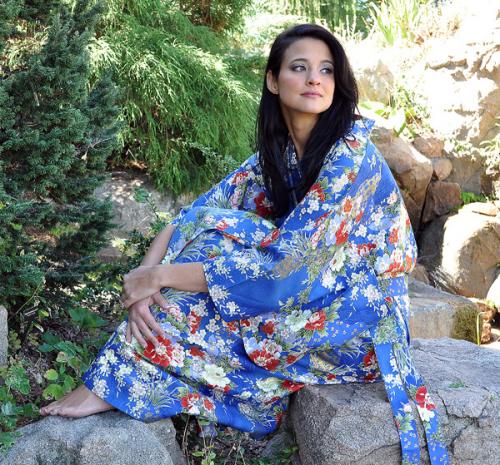
Step into a rich tradition of artistry and grace. The Japanese kimono is an enduring symbol of beauty, carefully woven with centuries of history and profound cultural significance. Draping a beautifully crafted kimono over your shoulders allows you to experience a story of meticulous craftsmanship and heritage. These garments carry the spirit of the artisans who design them and the generations who have cherished them.

Celebrating 33 years of kimono perfection, our employee-owned company has passionately shared this legacy with the world. Our deep appreciation for quality fabrics, unique patterns, and exceptional comfort guides everything we do. We believe that choosing a traditional Japanese garment is a deeply personal journey, one that connects you to an elegant and refined aesthetic.

We invite you to explore the beautiful world of traditional Japanese attire. By understanding the subtle differences between our most beloved garments, you can find the perfect piece that resonates with your personal style and needs.

Understanding the Art of Traditional Garments

The beauty of Japanese clothing lies in its incredible variety. Each style serves a unique purpose, carefully tailored to different seasons, occasions, and levels of formality.

The Classic Kimono

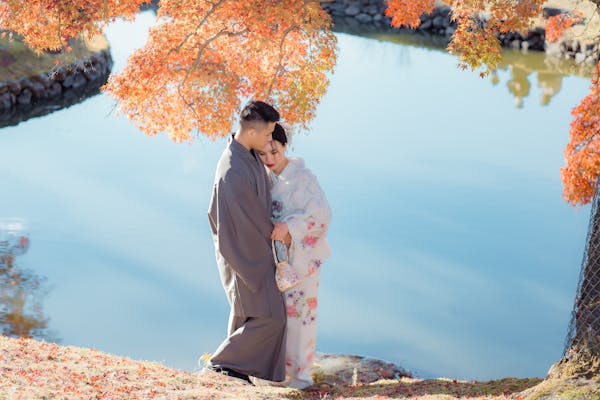
The kimono represents the pinnacle of Japanese elegance. Traditionally worn for formal events, ceremonies, and special gatherings, the classic kimono features long, flowing sleeves and intricate patterns. We carefully select premium fabrics to ensure that every kimono drapes beautifully and feels luxurious against the skin. The vibrant colors and elegant motifs often reflect the changing seasons, allowing you to wear a piece of nature’s beauty.

The Breezy Yukata

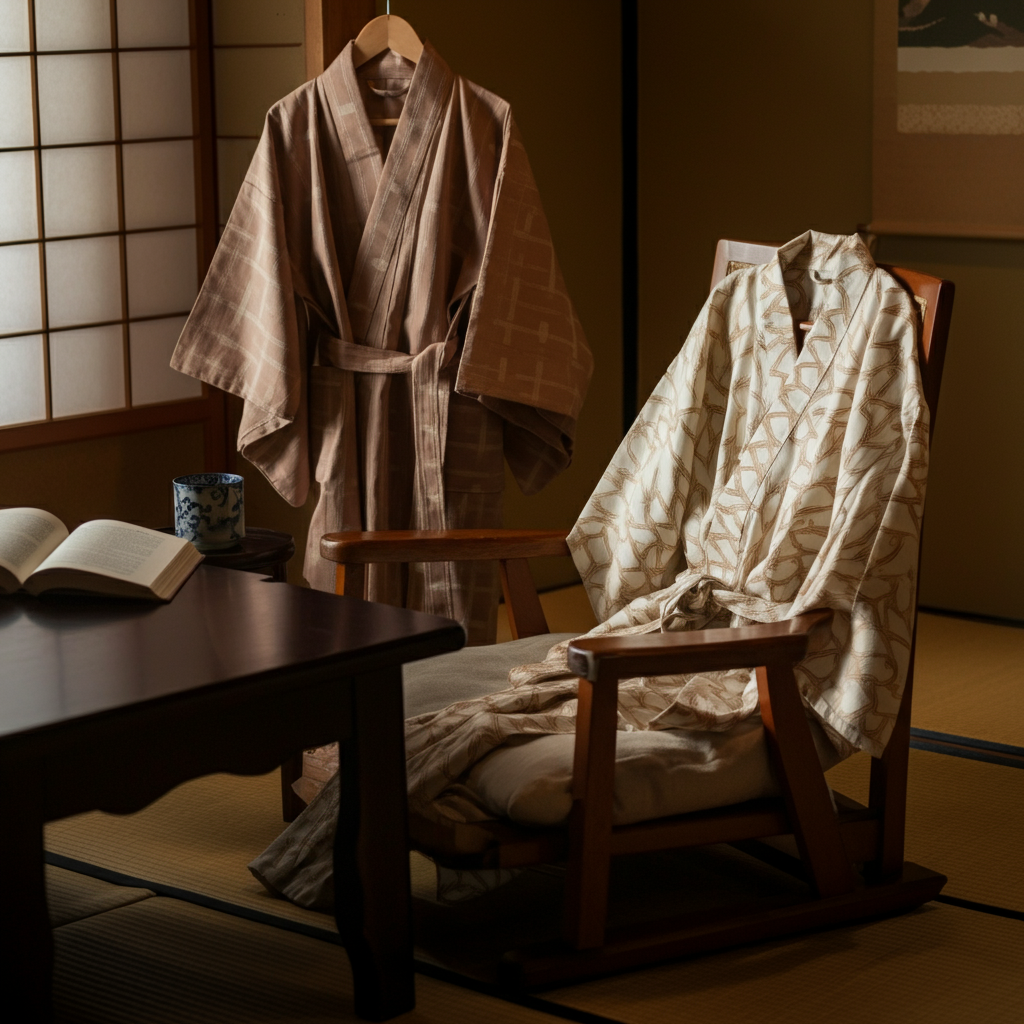
When the warm summer months arrive, the yukata offers a beautifully comfortable alternative. Originally worn as a bathing robe, the yukata has evolved into a popular garment for summer festivals, fireworks displays, and relaxed evening strolls. Crafted from lightweight, breathable cotton, a yukata keeps you cool while maintaining an effortless sense of style. The patterns tend to be playful and bold, bringing a festive energy to your wardrobe.

The Versatile Happi Coat

For those seeking a touch of Japanese tradition in a shorter, more casual silhouette, the happi coat is a wonderful choice. Historically worn during festivals and by craftsmen, the happi coat is a straight-cut, lightweight jacket. Today, it serves as a comfortable and stylish layering piece for everyday wear or relaxing at home. Its relaxed fit and striking designs make it a beloved addition to any closet.

Craftsmanship You Can Feel

Our customers wear a story, a tradition, and a piece of craftsmanship that has been carefully selected and delivered with care. Every stitch and seam reflects a dedication to excellence. We partner with skilled artisans who understand the nuances of traditional textile design. From the initial dyeing process to the final tailored finish, our garments are crafted to withstand the test of time.

The staff at Kimono Shop works hard to ensure customer satisfaction. We take immense pride in our curated collections, ensuring that every garment meets our rigorous standards for durability and beauty. This shared passion for quality means you receive a product crafted with genuine love and respect for the culture it represents.

Finding Your Perfect Fit and Style

Selecting the right kimono or yukata should be a joyful and seamless experience. We offer a wide range of sizes to ensure that everyone can enjoy the elegance of traditional Japanese clothing. Our friendly and attentive customer service team is always ready to help you navigate our collection.

Consider the occasions you plan to attend and the fabrics that bring you comfort. A crisp cotton yukata might be perfect for hosting a summer garden party, while a beautifully patterned silk-blend kimono could be the ideal choice for an upcoming formal celebration. Whatever you choose, the right garment will make you feel confident and deeply connected to a timeless tradition.

Frequently Asked Questions

What is the main difference between a kimono and a yukata?

The primary difference lies in the fabric and the occasion. Kimonos are typically made from heavier, luxurious materials like silk or fine synthetic blends and are worn for formal events. Yukatas are crafted from unlined, breathable cotton and are designed for casual, warm-weather wear.

How should I care for my authentic Japanese garment?

Care instructions vary depending on the fabric. Cotton yukatas and happi coats can often be gently hand-washed or machine-washed on a delicate cycle in cold water. Formal kimonos, especially those made of silk, usually require professional dry cleaning to preserve their intricate dyes and structural integrity.

Do I need special accessories to wear these garments?

To achieve the traditional look, a kimono or yukata is typically secured with a belt called an obi. You might also want to pair your outfit with traditional footwear, such as geta or zori. However, many of our customers enjoy wearing our garments open as beautiful, flowing robes around the home.

Embrace a Legacy of Excellence

When you choose Chopa, you are choosing a legacy of excellence. We want our customers to have a smooth and pleasant shopping experience, from the moment you browse our unique patterns to the day your new garment arrives at your door.

We warmly invite you to explore our extensive collection of Japanese kimonos, yukatas, and short-length happi coats. Discover the perfect piece to enrich your wardrobe and become part of a beautiful, enduring tradition today.

Luxury loungewear, Japanese Kimonos and Yukata

Kimonos Make Great Gifts

What is a “Vintage” Kimono?

Tuesday, February 24th, 2026
The term “vintage” carries different meanings depending on the context. For some, it evokes the memory of a fine wine, carefully noting the year it was produced. Others might think of a classic car their grandfather cherished or an antique treasure discovered at a garage sale. In the world of kimonos, however, “vintage” typically refers to pre-owned kimonos and yukata robes. In recent years, the market for “vintage” clothing has grown significantly, with many dealers specializing in these unique garments. Often, the term “vintage” is used more as a marketing tool than a precise descriptor. After all, “vintage” sounds far more appealing than “used,” much like how car dealerships prefer the term “pre-owned.” But why do people gravitate toward pre-owned clothing? For some, it’s about finding a bargain. Others are drawn to the charm of a one-of-a-kind piece that adds character to their wardrobe. And then there are the true enthusiasts—those who scour resale shops or online marketplaces in search of that perfect, storied garment. Do We Sell Vintage Kimonos? Occasionally, we receive inquiries about vintage kimonos—whether we sell them or are interested in buying them. The short answer is no; we do not. At Chopa, we focus exclusively on offering new Japanese robes, with nearly 100 styles of kimono and yukata for men, women, and kids available in our online store, www.chopa.com. What Defines a Vintage Kimono? The definition of a “vintage” kimono is surprisingly elusive. Does it mean the kimono was made in a particularly “good” year, like a fine wine? Does it need to be 20 years old to qualify, or is three years enough? Is “vintage” simply a more elegant way of saying “old”? Our exploration of the vintage kimono market revealed a lack of clear standards in a fragmented arena. The term seems to be applied arbitrarily, with little consistency. A used kimono might be found at a garage sale, but often, there is no reliable backstory. Sellers are frequently vague, offering explanations like, “It was a gift from a family member” or “Someone brought it back from Japan years ago, and it’s been in storage ever since.” The Vintage Kimono Market Like many industries, the vintage kimono market includes both wholesalers and retailers. Wholesalers often purchase kimonos in bulk—sometimes by the pallet—through auctions or sight-unseen deals. These bundles are then sorted and graded. The best pieces are selected for resale, while those in average condition may be passed along to other dealers. Kimonos in poor condition are often repurposed, with their fabric used for art, design, or crafting projects like quilts or reconstructed garments. When shopping for vintage kimonos, you will often encounter grading systems. However, these are highly subjective and vary widely between sellers. Grading might range from “A to AA” or “Good to Very Good,” but the criteria are rarely standardized. For example, one seller might describe a “Condition C” kimono as “well-used with clear signs of wear and staining, suitable for casual or decorative purposes.” Another might label a robe as “Top Grade” with vague descriptions like “fabric is in great condition” or “patterns are wonderful.” If you are shopping by grade, it is essential to do your homework. Ask questions about the seller’s expertise: How long have they been in business? Do they have experience in Japan or the kimono industry? What criteria do they use for grading? What to Consider When Buying Vintage Kimonos When purchasing a vintage kimono, there are several factors to keep in mind:
  1. Condition and Cleanliness: Ads often mention flaws like “light staining” or “some spotting.” Do not hesitate to ask for details—what caused the stains, and how was the kimono cleaned? With heightened awareness of infectious diseases, including COVID-19, it’s wise to exercise caution.
  2. Storage Conditions: Inquire about how the kimono was stored. Was it kept in a climate-controlled environment, or was it exposed to high humidity and heat in an old warehouse? Musty or moldy odors can be a red flag, especially for those with respiratory concerns.
  3. Authenticity and Story: Some vintage kimonos come with fascinating histories, while others may lack any provenance. If the story behind the garment matters to you, be prepared to ask questions and verify details.
Is a Vintage Kimono Right for You? Ultimately, the decision to purchase a vintage kimono is a personal one. The market is filled with beautiful, unique pieces, each with its own charm and potential story. However, as with any form of art or collectible, it is important to research, investigate, and approach each purchase with care. Whether you are a seasoned collector or a first-time buyer, the world of vintage kimonos offers a treasure trove of possibilities. Happy shopping, and may you find the perfect piece to add to your collection!

Kimono Market in Japan

The Ultimate Halloween Costume: Why a Kimono or Yukata is the Perfect Choice

Friday, October 17th, 2025

Halloween is just around the corner, and it’s time to start planning your ultimate costume. Whether you’re attending a party or going trick-or-treating, finding the perfect Halloween costume can be a daunting task. But fear not, because we have the ultimate solution for you – a Kimono or Yukata!

Embrace Japanese Culture on Halloween

Halloween is all about dressing up and having fun, but it’s also an opportunity to learn and embrace different cultures. Japan has a rich history and a unique fashion sense that makes it the perfect inspiration for a Halloween costume.

A traditional Japanese Kimono or Yukata is not only beautiful but also holds significant cultural meaning. The intricate designs and vibrant colors will draw attention to their beauty every time.

As the crisp autumn air signals the approach of Halloween, the annual quest for the perfect costume begins. Many of us search for an outfit that is both unique and comfortable, one that won’t be relegated to a box in the attic after just one night. This year, we invite you to consider a choice that is both timeless and stunningly versatile: the Japanese kimono or yukata.

More than just a costume, a kimono is a piece of art steeped in tradition. It offers an elegant and authentic alternative to the typical Halloween fare, allowing you to create a memorable look for your festivities.

Beyond a One-Time Costume

One of the greatest challenges with Halloween costumes is their fleeting nature. It’s common to spend a small fortune on a complex outfit, only to wear it once or twice. Fancy costumes can cost hundreds of dollars, making them a significant investment for a single evening of fun.

A kimono or yukata, however, is a beautiful garment you can enjoy long after the Halloween decorations come down. These robes are perfect for:

  • Elegant Loungewear: After a long day, there is nothing more comforting than slipping into a soft, breathable cotton yukata.
  • A Stylish Bathrobe: Enhance your daily routine with a robe that combines comfort with exquisite design.
  • Versatile Fashion: A short-length kimono, known as a Happi Coat, can be worn over jeans or as a light jacket, adding a touch of Japanese-inspired style to your everyday wardrobe.
  • Cosplay Events: For those who love cosplay, a high-quality yukata is an essential piece for portraying a wide range of characters from anime, manga, and Japanese folklore.

When you invest in a kimono, you are not just buying a Halloween costume; you are acquiring a multi-purpose garment that offers style and comfort year-round.

Create an Authentic Geisha Costume or Samurai Look

For those drawn to the grace and mystique of Japanese culture, a kimono provides the perfect foundation for an authentic geisha-inspired costume or a noble samurai. The rich fabrics, intricate patterns, and elegant silhouettes of our kimonos allow you to embody these iconic figures with dignity and beauty. Unlike mass-produced “geisha costumes” that often miss the mark, an authentic yukata lends an air of sophistication and respect to your ensemble.

Our collection features a wide variety of designs, from delicate floral patterns to bold, geometric prints, ensuring you can find the perfect piece to bring your vision to life. Paired with the right accessories, your kimono will transform you into a character of timeless elegance.

Fast Shipping from the USA

We understand that when inspiration for the perfect Halloween costume strikes, you don’t want to wait weeks for it to arrive. At Chopa, we ship directly from the USA, ensuring your order reaches you quickly. You can plan your costume with confidence, knowing that your beautiful kimono or yukata will be delivered to your doorstep with time to spare.

For over 30 years, Chopa has been a proud importer of authentic Japanese robes. We are passionate about sharing the beauty and tradition of these garments with our customers. This Halloween, step away from the predictable and embrace a costume that is as unique and versatile as you are.

Explore our collection of Men’s Yukatas, Women’s Kimonos, and Children’s Robes to find the perfect piece for your celebration and beyond.

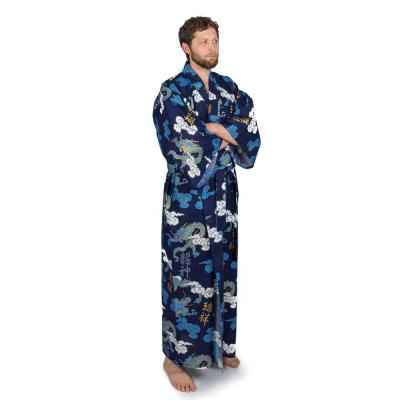
Men’s Cloud Dragon Yukata

Japanese Headbands (Hachimaki): The Symbolism and Style Behind the Iconic Accessory

Friday, January 24th, 2025

For martial artists, Japanese culture enthusiasts, and fashion-forward individuals, Japanese headbands—commonly known as hachimaki—are not just accessories. These traditional headbands carry deep cultural significance and a rich history while making a bold visual statement. Whether you’re practicing martial arts, paying homage to Japanese traditions, or incorporating Japanese aesthetics into your wardrobe, hachimaki are a striking emblem of determination, spirit, and style.

What Are Hachimaki?

A hachimaki is a simple yet symbolic headband, traditionally made of cotton fabric. Its origins trace back centuries in Japan, where it was worn by samurai, laborers, and even students preparing for exams. Today, hachimaki are more than just a practical accessory; they are steeped in meaning, often representing perseverance, effort, and unity.

The Symbolism Behind Hachimaki

Hachimaki designs are often printed with powerful symbols, colors, or Japanese phrases. Each design carries unique significance, making it more than a decorative item.

Common Designs and Their Meanings

  • Sun Motif (Hinomaru): Represents the Japanese flag and symbolizes hope and national pride.
  • “Kamikaze” (Divine Wind): Often linked to bravery and determination. While historically tied to Japan’s WWII kamikaze pilots, it is now seen as a broader representation of courage.
  • **”Kindred Spirit”*: Ideal for group solidarity, often worn by sports teams, martial artists, or event participants.

The colors also serve symbolic purposes. Solid red hachimaki indicate passion and strength, while white embodies purity and focus.

Who Wears Japanese Headbands?

Hachimaki are versatile and unisex, worn by both men and women. Martial artists frequently wear them during tournaments, ceremonies, or rigorous training sessions as a means to channel their focus and strength. Additionally, performers and athletes wear hachimaki for displays of energy and determination.

They are not limited to martial arts, though! Hachimaki often appears in cultural festivals, parades, and even academic settings, where students wear them to signify diligence and concentration.

Wearing Hachimaki With Kimono and Martial Arts Uniforms

While hachimaki can complement kimono during performances or festivals, they are more commonly paired with martial arts uniforms such as gi or hakama. Their blend of functionality and symbolism makes hachimaki an integral part of martial arts fashion. For some, wearing a hachimaki during practice is like carrying the spirit of the samurai.

Modern Fashion Meets Tradition

Hachimaki are not only rooted in tradition—they’ve also found their way into modern fashion. With their bold designs and historical appeal, hachimaki have been embraced by fashion enthusiasts looking to infuse their style with Japanese flair. Solid colors or graphic motifs can be styled with casual or edgy outfits for a unique look.

How To Choose Your Hachimaki

When selecting your hachimaki, consider these factors:

  • Purpose: Choose a design that matches your intent—be it for martial arts, cultural celebrations, or everyday fashion.
  • Design: Opt for calligraphy messages, symbolic prints, or minimalist solid colors.
  • Material: Look for durable cotton to ensure both comfort and longevity.

The Spirit of the Hachimaki

At its core, the hachimaki is not just a piece of fabric—it’s an emblem of determination, unity, and cultural pride. From martial artists aiming to harness their inner strength to fashion enthusiasts exploring the depth of Japanese culture, hachimaki offers both function and meaning.

Looking for the perfect hachimaki to start your collection or elevate your style? Share your favorite hachimaki designs on our social media pages, Facebook, Instagram, or X. Shop and explore authentic ones from various cultural shops and martial arts suppliers. Whether you’re a Japanese lover, a budding martial artist, or someone with a keen eye for fashion, the hachimaki is a timeless accessory that bridges tradition and modernity.

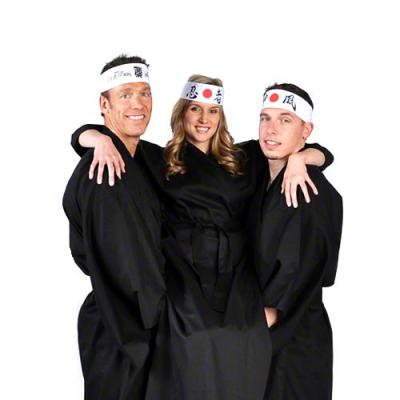
Japanese headbands or hachimai are popular.

Hachimaki

What Do Sakura Blossoms Represent?

Saturday, September 14th, 2024

Every spring, Japan transforms into a sea of pink and white as the beloved sakura (cherry blossom) trees burst into bloom. But beyond their stunning beauty, sakura blossoms carry deep cultural significance in Japan. This blog explores the rich symbolism of sakura, from its historical context to its modern-day cultural relevance.

What is Sakura?

Sakura, or cherry blossoms, are the cherry tree’s delicate pink and white flowers. They bloom in profusion across Japan each spring, signaling the arrival of warmer weather and new beginnings.

Cultural Meaning of Sakura

Transience and Impermanence

Sakura flowers symbolize the fleeting nature of life. Their short bloom period, often lasting only a week or two, reminds us of the transient beauty of existence. This aligns with the Buddhist concept of impermanence, encouraging people to appreciate the present moment.

Renewal and Rebirth

The arrival of Sakura blossoms heralds the start of a new season. In Japan, the school and fiscal years begin in April, coinciding with the Sakura bloom. This makes the flowers a powerful symbol of renewal and fresh starts.

Beauty and Aesthetics

The sheer beauty of sakura blossoms has made them a central motif in Japanese art, poetry, and fashion. Their delicate appearance and subtle fragrance embody the aesthetic principles of wabi-sabi, which finds beauty in imperfection and impermanence.

Sakura in Japanese Fashion

Many traditional garments like kimono and yukata feature sakura blossom prints. These designs celebrate the flower’s natural beauty and carry its deeper symbolic meanings. Wearing sakura patterns can evoke a sense of renewal, beauty, and a mindful appreciation of life’s fleeting moments.

Example Product Featuring Sakura

For those who wish to incorporate this beautiful symbolism into their daily lives, Chopa offers several stunning kimono and yukata robes adorned with sakura blossom patterns. Made from soft cotton, these garments are incredibly comfortable to wear and perfect for lounging. You can explore their collection and enjoy quick shipping from the USA by visiting their online store, open 24 hours a day.

Sakura blossoms are more than a seasonal spectacle; they are a profound symbol of life’s fleeting beauty, renewal, and the aesthetic values that define Japanese culture. Whether you’re a Japan enthusiast, a cultural explorer, or a kimono lover, understanding the deep meanings behind sakura can enrich your appreciation for these extraordinary flowers.

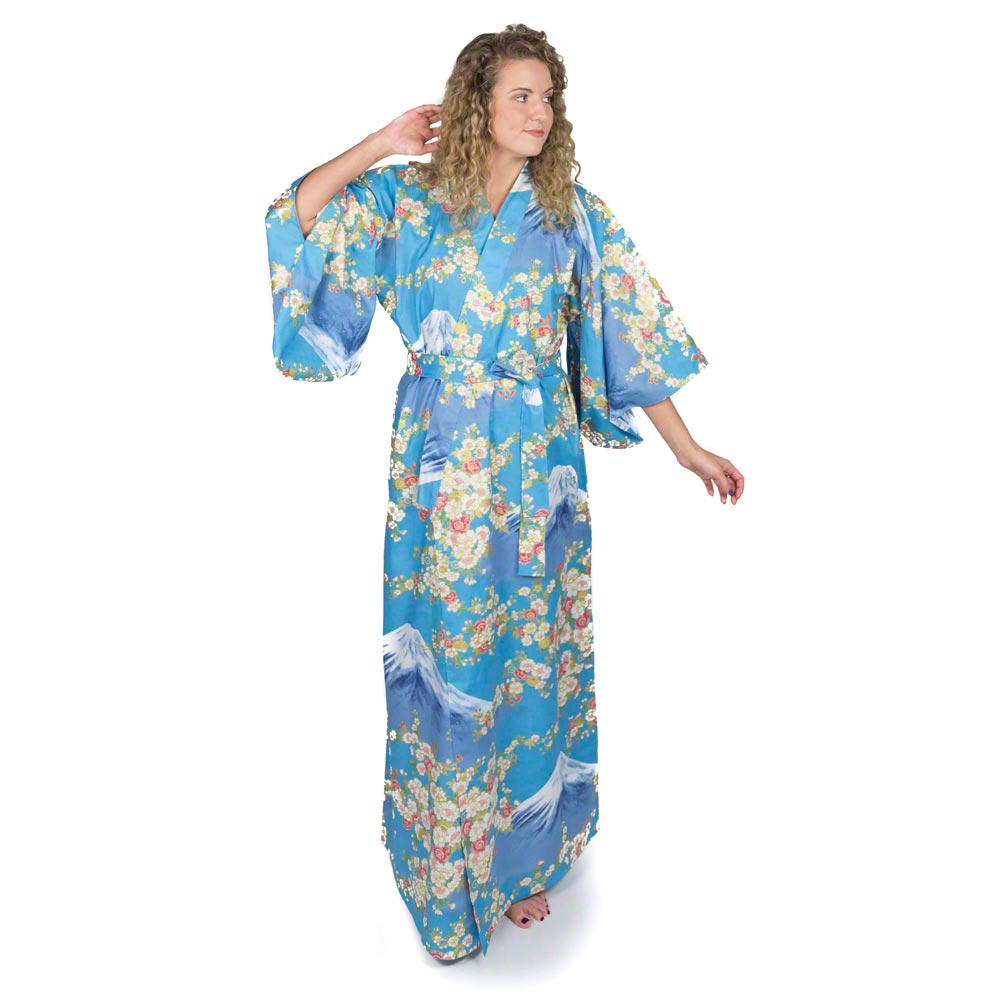
Sakura and Mt Fuji Yukata

Embrace the Spirit of Japan: Matsuri Festivals in the USA

Friday, February 16th, 2024

From the vibrant streets of Los Angeles to the scenic landscapes of Denver, Matsuri festivals are a celebration of Japanese culture that have found a passionate audience in the USA. These festivals, steeped in tradition and camaraderie, offer a unique glimpse into the rich cultural tapestry of Japan, right in our backyard. Whether you’re a seasoned Matsuri-goer or planning your first experience, understanding where these festivals are taking place, what to wear, and which are the most popular is essential.

Arizona Matsuri (Phoenix) – Steele Indian School Park,  February 24-25  https://azmatsuri.org

Nisei Japanese Festival (Los Angeles),  August 10-20  https://niseiweek.org/

Northern California Cherry Blossom Festival, (San Francisco)  April 13-14 & 20-24  https://sfcherryblossom.org/

JapanFest Atlanta    September 21 & 22      https://www.japanfest.org/

MatsuriCon  (Columbus, OH)  Aug. 30 – Sept. 1  https://matsuricon.org

Seattle Cherry Blossom Festival  (Seattle)   April 12 – 14   Seattle Cherry Blossom

Sakura Matsuri  (Washington DC)  April 13 & 14  sakuramatsuri.org

Denver Cherry Blossom Festival (Denver)  June 22 & 23   (50th Anniversary)  Cherry Blossom

Chicago Japanese Matsuri  (Chicago)  Sept 20 – 22   Chicago Matsuri

….and many more. Check locally in your area for details.

What to Wear to Matsuri Festivals

Attending a Matsuri is not just an act of participation but immersion. Dressing the part is crucial! This is where the kimono and yukata come into play. These traditional Japanese garments, known for their elegance and comfort, are perfect for festival goers.

Choosing The Right Yukata

Whether you opt for a women’s yukata with its soft colors and floral patterns, or a men’s yukata that combines subtlety and style, wearing these traditional garments enhances the festivity mood. But what about the accessories? Don’t forget the tabi socks, a must-have for any Matsuri outfit, ensuring you stay comfortable throughout the event.

Chopa:  Your Matsuri Fashion Destination

Chopa is your ultimate destination for all Matsuri festival clothing needs. With an extensive collection of kimono yukata in various sizes, colors, styles, and patterns, we make sure you find the perfect outfit for your next Matsuri visit. Explore our collection and embrace the joyous spirit of Matsuri festivals with the right attire. Check out the great selection of Japanese headbands to complete your look.

Matsuri festivals offer a slice of Japan to those in the USA, bringing communities together to celebrate Japanese culture, food, and traditions. Knowing where these festivals are scheduled and what to wear is the first step to enjoying these vibrant events fully. As you prepare for your next Matsuri adventure, remember that Chopa has you covered with the best in traditional Japanese attire.

Don’t miss out on the opportunity to experience the beauty and excitement of Matsuri festivals. Plan your visit, pick out your yukata, and get ready to dive deep into Japanese culture right here in the USA!

kimono yukata shop

Kimono Time!

Celebrating Hinamatsuri: A Guide to Girl’s Day | Chopa

Friday, February 24th, 2023

Every year on March 3rd, families across Japan take part in the traditional holiday of Hinamatsuri. Also known as “Girl’s Day” or “Doll’s Festival.” This special day is a time for families with young daughters to celebrate. It’s a time to wish for the health and happiness of their girls. In this blog post, we will look at what Hinamatsuri is all about and how you can make the most of the day!

What Is Hinamatsuri?
Hinamatsuri is a centuries-old Japanese festival that celebrates the growth and well-being of girls. Traditionally, families with young daughters will display dolls in their homes. The figures represent Emperor Meiji and his court and are proudly displayed on this day. The dolls are set up on a platform known as hina-dan. Each doll is adorned with beautiful outfits and accessories. The dolls are removed after the festivities have ended. In addition to displaying these dolls, families also enjoy special foods. Dishes often include chirashizushi which is a variety of sushi served over a bowl of rice. Other traditional entrees feature clam soup, steamed shrimp, and sweet sake or rice wine.

How to Celebrate Hinamatsuri
If you want to participate in the festivities but don’t have any traditional dolls to display, there are plenty of ways to celebrate Hinamatsuri with your family! Here are some ideas for making the most of Girl’s Day:

• Make some chirashizushi together – Kids love getting involved in food prep activities. Making chirashizushi is fun for everyone in the family. From grating carrots and cutting cucumbers into thin strips to arranging everything on top of a bed of rice. Not only does it allow everyone to participate, but it also makes for an incredibly tasty meal too!

• Give gifts – It’s customary for parents to give their daughters small presents on Hinamatsuri. If you don’t have access to traditional doll sets or other items related to Girl’s Day, why not gift your daughter something meaningful such as a book or piece of jewelry?

• Have fun together – When it comes down to it, Hinamatsuri isn’t just about displaying dolls or eating special foods. It’s about celebrating the unique bond between mothers and daughters. Spend some quality time together by playing board games or watching movies together. Choose whatever activity brings you joy. It’s all about quality time.

Hinamatsuri is an important tradition in Japan that has been celebrated for centuries. While many some families may not have access to traditional doll sets or other items related to Girl’s Day, there are still plenty of ways that moms and daughters can celebrate this special occasion together. Whether it is making chirashizushi together or simply spending quality time bonding over movies or board games. It is important to make sure you take advantage of this special day by showing your daughter just how much she means to you! Happy Hinamatsuri!

If you are seeking a kimono or yukata robe to enhance your experience, check out www.chopa.com. Their online Kimono Shop offers over 100 styles, colors, patterns and prints of authentic Japanese robes in all sizes including kids. They are a USA-based company that ships quickly from the USA. With fast shipping, a quality selection and the most competitive pricing, it is easy to dress for this special occasion.

Now go get your Kimono on!  Happy Hinamatsuri.

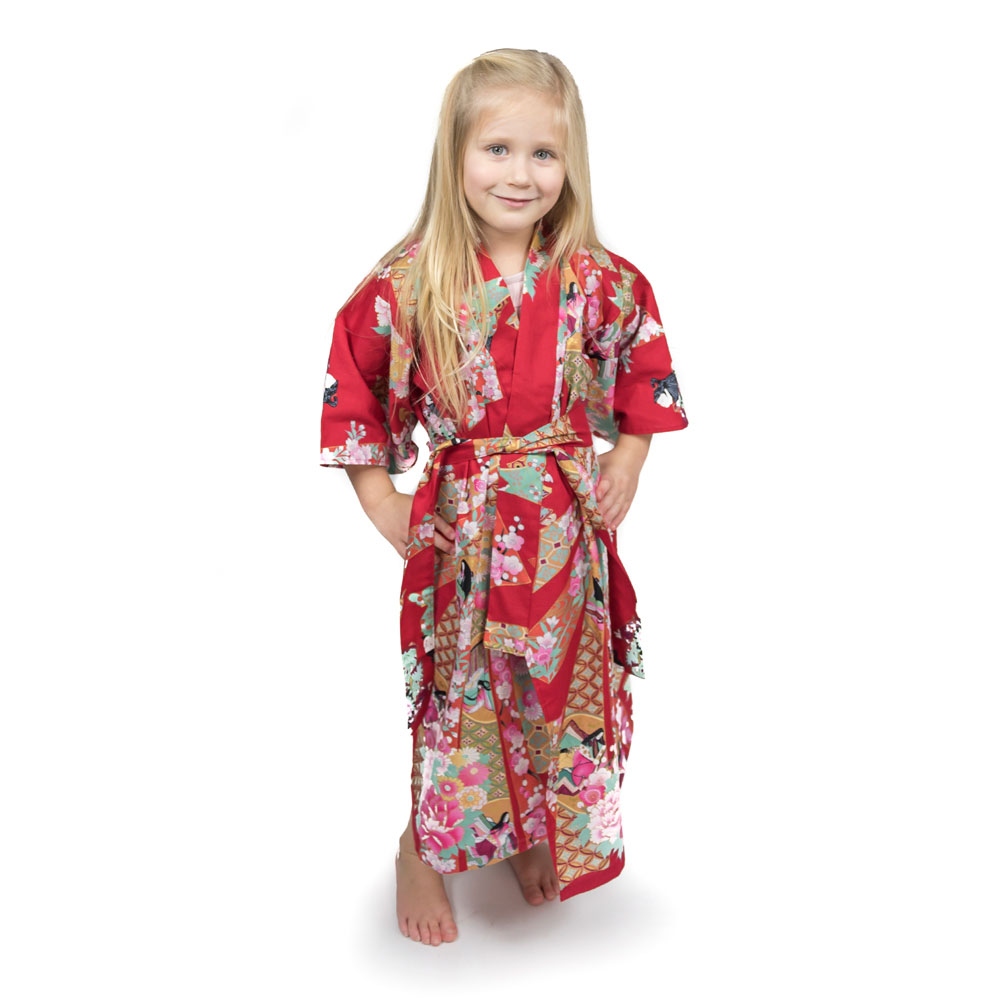
kids kimonos from chopa.com, Your Kimono Source

                         Kid’s Kimono

2022 Obon Festivals in the USA

Saturday, June 25th, 2022

What is an Obon Festival?

The Obon Festival is a time for celebration in Japan. It’s also an opportunity to get together with friends and family members.

The tradition entails music, dance, and crafts as well as martial arts. It honors ancestral spirits from your past who have watched over you throughout life.  The lighting of candles represents wishes fathered by these same energies during happier times gone by.

Entertainment will be offered with groups playing drums including taiko drumming groups.

Plenty of groups and cities participate in this cultural experience in the USA.  Find an Obon Festival near you.

Downtown Denver – Cherry Blossom Festival – June 25 and 26.

Venice, CA Japanese Community Center – June 25.

Salt Lake City, UT – Salt Lake Buddhist Temple – July 9.

Fairfax, VA  Ekoji Buddhist Temple – July 9.

Seabrook, NJ – Seabrook Buddhist Temple – July 16.

Pasadena, CA Buddhist Church – July 16.

Long Beach, CA. Cultural Center – July 30.

Portland, Oregon – Oregon Buddhist Temple – August 6.

Kingston, NY – Kingston Point Beach – August 6.

Palo Alto, CA Buddhist Temple – Aug. 7

Lahaina Hongwanji Mission – Lahaina, HI – Aug 12 and 13.

Gardena Buddhist Church – August 13.

Charlotte, NC – Wells Fargo Atrium Plaza – August – Dates TBA.

San Diego, CA – Japanese Friendship Garden – August – Dates TBA.

Las Vegas, NV – Location TBA, August – Date TBA

St. Paul MN – Como Park – August 21.

St. Louis, MO – Missouri Botanical Garden – Sept 3-5.

Atlanta, GA – Gas South Convention Center (Duluth) – September 17 and 18.

Dress for the occasion. Kimonos and Yukatas are very popular to wear to these festivals. The yukata is lighter weight and will help keep you cooler on those warmer days. Check out our wide selection of robes and headbands for your celebration. Shipping is always fast. Shop our ONLINE STORE now.

Search the web for more dates and cities near you. Buddhist temples and Japanese clubs and gardens may have more information in your local area.


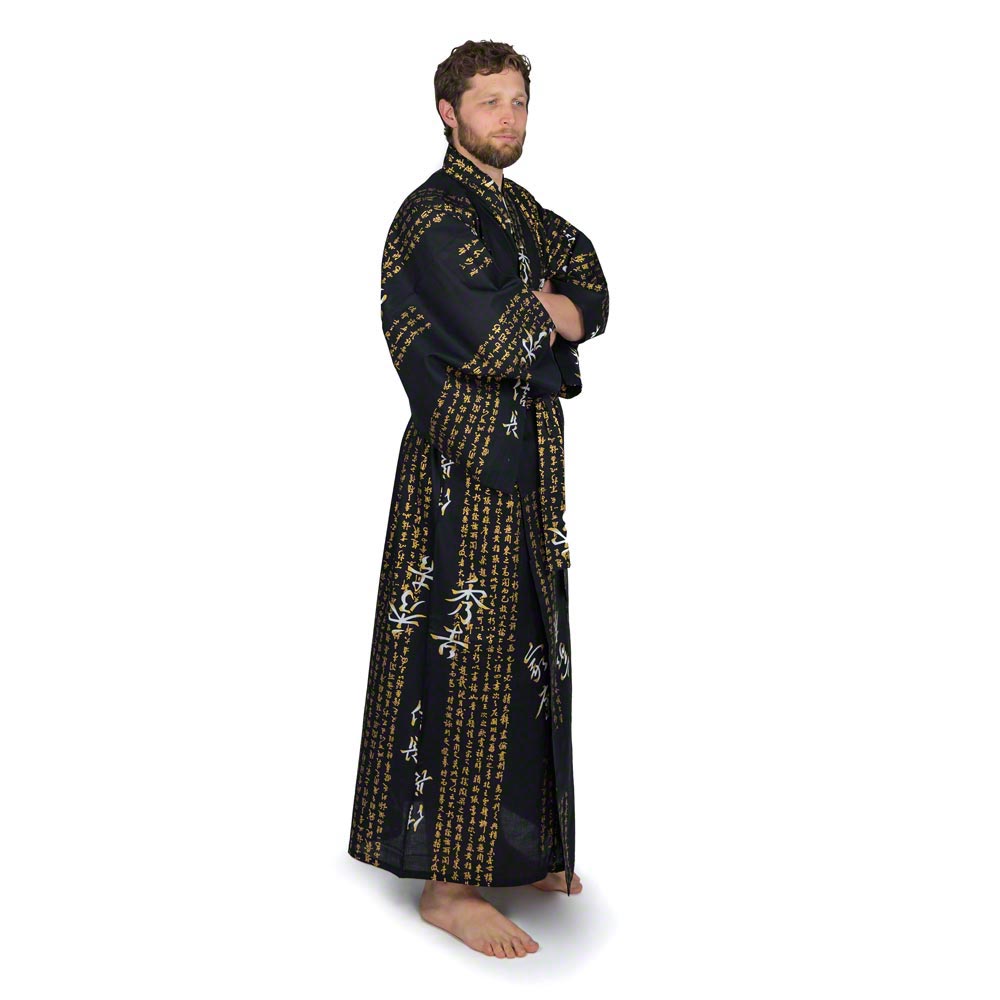
mens shodo yukata in 100% cotton

The Shodo Yukata is available at       www.chopa.com