

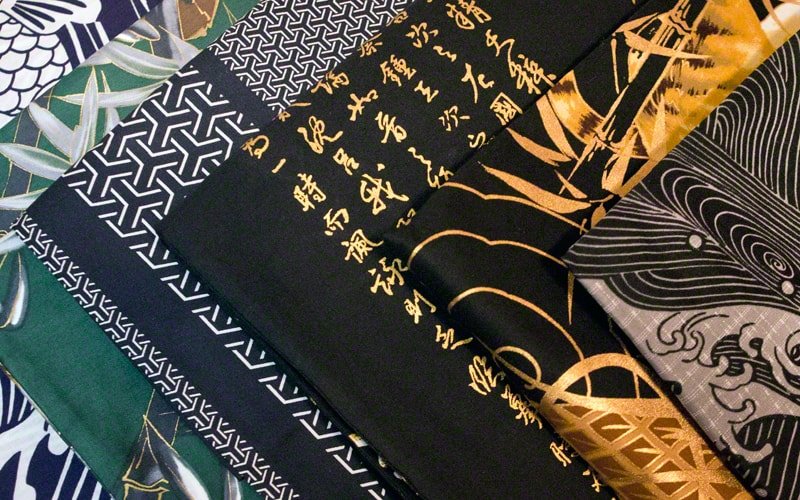

The kimono stands out as a garment of striking beauty and deep cultural meaning. Originating in Japan, this iconic robe has captured the admiration of fashion enthusiasts and comfort-seekers worldwide. With its straight seams, wide sleeves, and vibrant patterns, the garment commands attention while offering an incredibly comfortable fit.
Adding a kimono to your wardrobe is an exciting choice, but the variety of options can feel overwhelming. Understanding the history, different styles, and materials available is essential to finding a piece that fits your lifestyle. This guide will walk you through everything you need to know to select a garment you will cherish for years to come.
History and Cultural Significance
The word “kimono” translates simply to “something to wear.” While the term is straightforward, the garment’s history is incredibly rich. Evolving significantly during the Heian period (794–1185), the straight-cut method of making clothes allowed makers to accommodate various body shapes and weather conditions.
Over the centuries, the kimono transformed from everyday attire to a cherished symbol of tradition and artistry. Patterns, colors, and fabrics began to reflect a wearer’s social status, marital status, and even the season or occasion. Today, while modern fashion trends have changed daily dress in Japan, the kimono remains a centerpiece for ceremonies, celebrations, and cultural events, reminding us of its timeless importance.
Different Styles for Every Occasion
There is a kimono for every milestone and moment. The furisode, with its long, swinging sleeves, is commonly worn by young, unmarried women at special events like coming-of-age ceremonies. The elegant tomesode, with shorter sleeves, is reserved for married women and often features intricate designs on the lower half. The yukata, made from lightweight cotton, is perfect for summer festivals and relaxation at home, offering a casual and breezy alternative.
Men’s kimonos are known for their subtle design, usually featuring subdued colors and family crests. Formal occasions may call for the addition of a haori (a hip- or thigh-length jacket) and hakama (traditional pleated trousers).
How to Choose Your Perfect Kimono
Choosing a kimono begins with understanding your needs. Think about the occasion—are you dressing for a wedding, a tea ceremony, a festival, or simply for casual comfort at home? Consider color and fabric: silk is luxurious and beautiful for formal events, while cotton or synthetic blends are both practical and stylish for everyday wear.
Look for patterns and motifs that speak to you. Traditional designs often feature nature, such as cherry blossoms or cranes, each carrying its own symbolism of luck, longevity, or beauty. When in doubt, classic styles and subtle shades create a timeless look.
Why Choose Chopa Kimono Shop?
At Chopa Kimono Shop, authenticity and quality are at the heart of our collection. We offer a wide range of kimonos to suit every occasion and personal style, from elegant, hand-crafted pieces to easy-to-wear modern designs. Our knowledgeable staff can help you find the perfect fit, ensuring you feel confident and comfortable.
Care Tips for Your Kimono
To keep your kimono looking its best for years, follow a few simple care tips. Store it in a cool, dry place away from direct sunlight to prevent colors from fading. When not in use, fold it neatly or hang it with a special kimono hanger to maintain its shape. For silk kimonos, consider professional cleaning or gentle hand-washing for delicate items.
Conclusion
No matter your personal style or the occasion, embracing a kimono is a way to celebrate culture, craftsmanship, and beauty. Whether you’re wearing one for a special event or simply savoring comfort at home, each kimono tells a unique story—one that intertwines tradition with your own journey.
Ready to find your perfect kimono? Explore the Chopa Kimono Shop collection and discover the elegance that has captivated generations.

Hanu Garden Kimono


Tags: kimono yukata, Kimonos Online, online kimono shop, Women's kimono