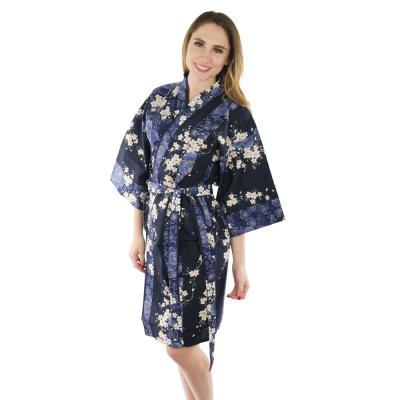


Understanding your Chakras -The Throat Chakra

April 4th, 2012

This month we explore the fifth of the seven energy systems, the throat chakra. Its Sanskrit name is Vishuddha, translated as “purified.” It is located at the base of the neck below your Adams apple. Its associated color is blue and the musical note is G. The throat chakra represents our center of creativity, our receptiveness to intuition and the ability to express ourselves honestly.

The purpose of this chakra is learning a sense of what is right and knowing your inner truth. It is the energy center of your will, the awareness of your intention and self-discipline. It stems from the ability to listen from the heart, staying connected with your intuitive self and to act from truth in decision making. The stronger and more determined you become, ultimately, the better life decisions you make. This energy center is the mediator between the heart and the head facilitating choices and consequences.

A balanced throat chakra is reflected in the ability to articulate one’s fears and strengths openly and clearly without fear or guilt. As the vital connection between our spiritual and creative centers, life is uplifting, and the challenges of daily life are accomplished with a sense of peace, rhythm, ease, and creative energy. The skills of being a good listener, communicating clearly and feeling an inner balance throughout the day are also signs of a balanced throat chakra.

An unbalanced chakra is more often motivated by fear and advantage rather than steadfastly following the heart’s intention. Imbalance can be characterized by feeling restless, being critical of others, lying or telling half-truths, and an inability to listen without judgment. “Boxing in” emotions or giving someone the “silent treatment” can potentially manifest as physical ailments like a sore throat or laryngitis.

We have all experienced the “lump in the throat” feeling when faced with a difficult situation. This is your throat chakra reacting to your indecision about voicing the right words – the heart’s truth, for that situation. On an emotional level, an unbalanced throat chakra can be manifested by difficulty in decision making, tendencies towards addictions, gossiping and lack of creativity. A deficiency in throat chakra energy can leave you feeling tired, withdrawn from people and unable to speak up for yourself.

Ever have one of those days where you can’t seem to get your point across or relay your ideas in a clear manner? Feel like you are talking too much and speaking nonsense? These are signs of having an over abundance of energy which can also be problematic.

Being consciously aware of expressing your inner heart is the key to a balanced throat chakra. This can be expressed through journaling, humming or singing in the shower! Take a long walk and enjoy the blue sky or go sit near the ocean or a lake if possible and breathe consciously. Use your throat muscles, drink fruit juice, water or herbal teas. Add blueberries, purple grapes or plums to your diet. Wear blue clothing or add touches of blue to your home or office as a reminder. If you meditate, the mala bead gemstones are aquamarine, turquoise, blue lapis or blue topaz. Sage, frankincense and eucalyptus are helpful aromatherapies. Performing a service act for the fifth chakra is to provide encouragement to someone in need, bolster their spirit and conviction. The small impact you have on someone can be profound in another.

If your throat chakra is overactive, the use of red counterbalances the energy. Wear a touch of red clothing or eat red foods like tomatoes, beets and strawberries. Using red essential oils; sandalwood, cinnamon or patchouli can also be helpful in restoring balance.

In the next issue, we explore the brow or “third eye” chakra.

Japanese Bedroom Furniture and Tatami Rooms Create a Peaceful Sanctuary

March 26th, 2012

bedroom furniture + tatamiWho wouldn’t want a room in their house where they could instantly relax, one where stress evaporated from the moment they stepped inside?  With so many people seeking stress relief through exercise and massage, surprisingly few will take the time to create a restful space in their home where they can truly unwind.  If this sounds like you, then Japanese bedroom furniture, Zen décor, tatami meditation mats and other Asian-inspired furnishings might be just the inspiration you need to create a relaxing room in your home.

Read the rest of this entry »

Shoji Dividers and Doors Can Redesign Your Interior Space

March 21st, 2012

shoji dividers + doorsAre you looking for an easy and inexpensive way to give your home a facelift?  Shoji dividers and shoji doors may be the answer.  In fact, they have long been considered the “secret weapon” of professional decorators.  Whether you choose to decorate in Japanese style or you’re just trying to hide clutter, these artistic creations offer a simple solution that adds style to your home.

Most people who are familiar with shoji dividers have a picture in mind of a dark wood paned frame that is lined with translucent rice paper.  While this may still be the most popular style, it is just one of many shoji screens available today.  Japanese designed shoji dividers are made in a variety of fashionable designs, many of which feature monochromatic Japanese prints over solid hinged panels.  Shoji doors are a bit different in that they are designed to be hung in an opening between rooms and slide on tracks like a closet door.  No matter which Asian screen you choose, they all offer privacy without distracting the viewer from the center of the room.

Read the rest of this entry »

Enjoy the Great Outdoors – Add Japanese Water Fountains to Your Garden

March 16th, 2012

japanese water fountains + garden + outdoorsNo matter where you live in the United States, it seems like spring is starting a little earlier this year.  As a result, homeowners are starting to look outdoors for weekend projects and thinking about the condition of their garden.  Once you clear out the leaves and weeds, why not consider something to make your garden more inviting?  Japanese water fountains make the perfect focal point and they help you enjoy your garden even more. Adding a fountain to your garden gives it the added dimensions of movement and sound.

Even if your garden isn’t large enough to sit in, Japanese water fountains can bring the feeling of your garden into a sunroom or enclosed patio.  Most of the fountains on sale today are made for indoor use because the motors require electricity.  Attractive enough to stand on their own, they also coordinate well with Bonsai trees, Ikebana vases and Buddha statues.  These Zen design elements are surprisingly simple and easy to find at Chopa.com.

Read the rest of this entry »

Japanese Shoji Screens Give Your Home Zen Style

March 10th, 2012

japanese shoji screensDepending on where you live, you may have already seen furniture stores that offer a range of Japanese and Zen furniture options, but do you really understand “Zen Style?” As Americans, we tend to accumulate a lot of “stuff;” stuff that clutters our countertops, tabletops and floors. How do we incorporate the principles of Zen and unclutter a living space without getting rid of everything we own?  The answer is simple:  Japanese shoji screens.  They may not have been designed with the intent of hiding our junk from view but they do an amazing job of it, nonetheless.

Read the rest of this entry »

Zen Habits – 7 Little Things That Make Life Effortless

March 8th, 2012

In Leo Babauta’s Zen Habits, he writes of his discovery of seven small things that can make your life easier, better and smoother. Without fighting each step of the way for control, you can stop, and learn to move with the natural flow of life.
1. Do less. By consciously doing less, you will force yourself to choose between what’s just busywork, and what really matters. Life then becomes effortless, as you accomplish big things while being less busy.
2. Having less is lighter. Begin by asking yourself if you really need or use everything you own or if you have it out of fear. Start by letting go of what you have and don’t really need. You will find this liberating and realize, it doesn’t own you anymore. When you have less, you feel lighter. It’s a wonderful feeling.
3. Let the little things go. People in the midst of struggle often fight over little things and obsess over things that really don’t matter. This creates more resistance and struggle instead of letting things glide off us. Be aware of these when they arise and let the little things go. Breathe and refocus your attention on more important things.
4. Clean as you go. Instead of letting your household chores pile up, put things away when you are done. Wash that bowl, wipe the counters as you pass them, and clean the dirt when you notice it. By cleaning a little bit at a time, as you make the messes, cleaning becomes easier, more efficient and less time consuming and is never difficult. Apply this rule to everything in your life, not just cleaning.
5. Make small, gradual changes. You may feel impatient reading this right now and think you don’t have enough time to follow these simple steps or want to try and tackle it all at once. Too often, we feel we have so many changes to make, but we don’t wait for it all to happen. As a result, we set ourselves up to fail and then feel badly about it. The other scenario is to not start at all because it requires too many changes to our existing habits and it seems overwhelming. Small changes are incredibly powerful. They last longer and gradual change will lead to big change. By starting slowly, the changes will become part of your routine and will happen without conscious awareness of how the change has become norm. The best part of this process, it’s effortless.
6. Learn to focus on the things that matter. This is so important it requires special emphasis. Using the analogy of a task at hand, it is best done when you perform only the steps that matter and eliminate the extraneous ones. Stop struggling and concentrate on becoming more efficient and fluid. This is accomplished by learning what matters, and eliminating the wasted activity.
7. Be compassionate. Compassion makes dealing with others much more effortless and goes a long way to helping you feel better about yourself. You will improve the lives of others as well as yourself. Practice compassion in dealing with everyone you meet in every type of situation you encounter and you will find the benefits are returned greater inner fulfillment.

The Natural Life Center – The I Ching of Winter

March 8th, 2012

The Natural Life Center – The I Ching of Winter

The winter season often turns our attention inward, a time for inner reflection of the year past. As winter begins to wane, we gradually experience a gentle turn outwards – formulating plans for the year ahead. The I Ching (pronounced ee jing) of winter communicates this as a time of renewal, or completion, preceding a time of new activity.

As nature is ever resilient in the cycle of breaking down and rebuilding with the leaves of autumn rendered into rich loam for the coming Spring, I Ching teaches we too, can find harmony within ourselves in this process.

As winter winds down, take time to explore and reflect upon the past year. What made you happy and fulfilled? Are you doing enough of those things? What things are no longer serving your best needs? Can you or are you willing to let those go? Looking outward, is there a new goal or direction you would like to pursue this year? What needs to happen to allow this new aspiration to succeed?

The message of I Ching believes the power is within us to use as we grow into the now, leaving behind the past and looking towards the future. As our lives become enriched with joy and gratitude, we understand the rightness that they should be so.

Understanding your Chakras -The Heart Chakra

March 8th, 2012

This month we explore the fourth of the seven energy systems, the heart chakra.  Anahata is the Sanskrit word for this chakra and a metaphor for the unconditional love and compassion that resides within our hearts, in spite of hardship and emotional pain.  The heart chakra is located in the center of your chest.  Its color is green and the associated element is air.

This unconditional love chakra represents the core of our spirit and emotional being.  The heart chakra connects our spirit residing in the upper three chakras with the sense of self residing in the lower three chakras.  As the seat of love and emotion, the heart chakra’s focus is the integration of ego and spirit.

This chakra allows the ability to experience joy and nurturing relationships. It provides compassion, generosity, and tolerance, by softening the mind’s rigid decisions and beliefs.  As the center of intimacy, it allows feelings of happiness and the most centering feeling of all, love; to empower and guide us through the most difficult challenges we face.

When your heart chakra is open and balanced, you feel positive, nurturing and confident.  Kindness and empathy are prominent in your decision making rather than being judgmental or critical of yourself or others.   You are able to share humor, have vitality for life and feel energized by your optimism.  You are able to love deeply and experience inner peace.  There is a strong connection to animals and nature, and acts as a calming and healing presence to others.

Recall a time when you were upset about something.  Think about how that situation dominated your thoughts and conversations, robbed you of sleep and left you feeling unhappy and fatigued.  When your head leads over the heart, we can cut ourselves off from our emotions creating an imbalance.

When your heart chakra is unbalanced or blocked, you may experience difficulties with relationships, feel lonely, or awkward in relating to others.  Is there someone you would like to forgive or are you carrying an emotional hurt that you can’t release?  Avoiding intimacy, keeping people at a distance, becoming critical, suspicious or defensive can also be signs of imbalance.  Postural signs of imbalance include sitting with your head forward, shoulders rounded and shallow breathing.

A heart chakra that is too wide open can also create problems.  Being too empathic creates an open door for taking in the anger, sadness or depression of others and becoming trapped in their moods and feelings creating an unhealthy situation.

If you feel unbalanced, try spending time outdoors.  Take a walk or meditate outside in a quiet, calming environment.   Spend time with your pets – they are unabashed teachers of unconditional love and can open the heart.  Experiment with keeping the feeling of being loved in the forefront of your mind.  When you feel yourself drifting away from that feeling, breathe deeply and bring it gently back, allowing that feeling to flow through your body.  Make a list of those you would like to forgive and try your best to release the hurt.  Performing a service act such as volunteering or a random act of kindness is healing.  Start a daily gratitude journal and note as many things as you can each night.  With time, you will be surprised to see how long the list has become!  Reach out and express appreciation to people.  Reconnect with someone you have lost touch with.  Visualizing an image of an open doorway is a powerful tool to opening the heart.  The incense of sandalwood, rose, or jasmine is thought to open the heart chakra.  Wear something green or decorate a room with green accents to remind you of an open heart.  For meditation, the mala bead stone is jade.

In the next issue we will explore the 5th energy center, the throat chakra.  To learn about the chakra system and healing meditations, you may consider the Chakra Balancing Kit available at www.chopa.com.

What Goes Best With Tatami Furniture?

February 28th, 2012

tatami furnitureWhen tatami furniture was first introduced, it was the long-awaited answer to decorating a tatami room, but it has become a whole lot more.  People who love Japanese furniture often seek out tatami furniture for its ease and simplicity.  Starting with a foundation of organic fiber tatami mats, one might think it wouldn’t matter what you put on top, but it’s important to keep the rest of the room just as restful as the flooring.  Whether it’s a low-profile table topped with a Ginza paper table lamp, a soft futon mattress on a platform bed, or a subtle Japanese print, tatami furniture often has the same organic character as the flooring beneath.

Rather than focusing this article on the actual pieces of furniture, such as platform beds and shoji screens, I will make some suggestions for ways to accessorize a tatami room.  What goes best with tatami furniture?  Here are some unique options to consider.

Read the rest of this entry »

Japanese Style Home Décor Made Easy

February 21st, 2012

japanese style home decorIs it time to renovate your home and give it a fresh new look?  As spring approaches, thousands of homeowners will be looking to Japanese style home décor for inspiration.  One reason for this is the way a Japanese interior can open up the home and make it more restful and inviting.  Rather than cluttering up their homes with piles of books, endless nick-knacks and over-sized furniture, Zen interior designers know that less is more.  Instead of looking for more ways to personalize their space, Japanese home decor focuses on the people in the room by employing neutral tones and low profile furnishings.

In a recent poll of U.S. interior designers, Japanese or Zen design is the most requested type of décor for the home.  Even those who choose a American contemporary furniture often include an element of Japanese style home décor here and there, whether it is a Shoji screen, a Japanese print or a futon bed.

Read the rest of this entry »