
Greetings Kimono Fans.
Another month has passed and that means it is time for the Best Selling Kimono and Yukata for last month. This was a busy month and shoppers took advantage of a surprise discount we offered to existing customers during the middle of the month. Customers have the chance at check out to join our newsletter email list where we randomly send out updates, news or nice discounts on our entire line of Japanese Kimono and Yukata. Coupons are always popular and our “kimono family” usually takes advantage of the bargains.
Covid cases are on the rise in Japan and we have been in regular, direct contact with our manufacturing partners. Some divisions are working from home while others have a shortened workweek. Much of Tokyo was closed the past week due to the Olympic Games. Closures and work from home mandates may be helping calm the spread of Covid. Even with ongoing challenges, Chopa is diligently working with providers to assure we have ample stock of these comfortable robes. While the manufacturing process faces obstacles, we are also finding that many fabrics are scarce or running out. The dying process can take months for some fabric due to the large number of colors used or intricate designs, and with mandated closures, obtaining fabric has probably been the biggest hurdle we face.
We placed our largest Fall order a bit early this year to allow more time for production and transit time since many carriers are also facing delays and operating over capacity. International shipping can be tricky and if it wasn’t for our great long term relationships and experience we could face major shortages. It is always better to be safe than sorry and our staff works hard to maintain adequate inventories as best as we can. As we wrote in an earlier blog several weeks ago, many retailers are expecting shortages and limited supplies of goods for the Christmas Holiday season. This is something we definitely want to avoid. Shortages as you may have seen in stores isn’t good for anyone. The retailers lose sales without having merchandise and customers are left holding an empty bag or paying a substantially higher price because quantities are so low.
Nearly everyone we know has spoken about price increases on most things we buy each day. Whether it is lunch at the neighborhood deli, a burger at McDonalds, groceries, tires, vehicles, clothing, housing, etc, it seems everything is getting more expensive. Chopa is pleased that we have not raised our prices for some time and we are doing everything we can to hold costs and prices where they are, but in reality, there may be a time in the near future that we have to adjust pricing upwards. We have experienced cost increases for our products, especially shipping, but so far we have bitten the bullet and maintained our prices.
We are not one to panic, and even though it is August, we do suggest customers review their holiday shopping needs, and plan accordingly. Whether shopping for a kimono or yukata from our online store or buying that perfect sweater for your family member, make your list and plan on shopping early this year. We believe you will be happy that you did.
So let’s take a look at the most popular kimono and yukata for July….
- Great Wave
- Tree of Life
- Lily Garden
- Dragon
- Blue Koi
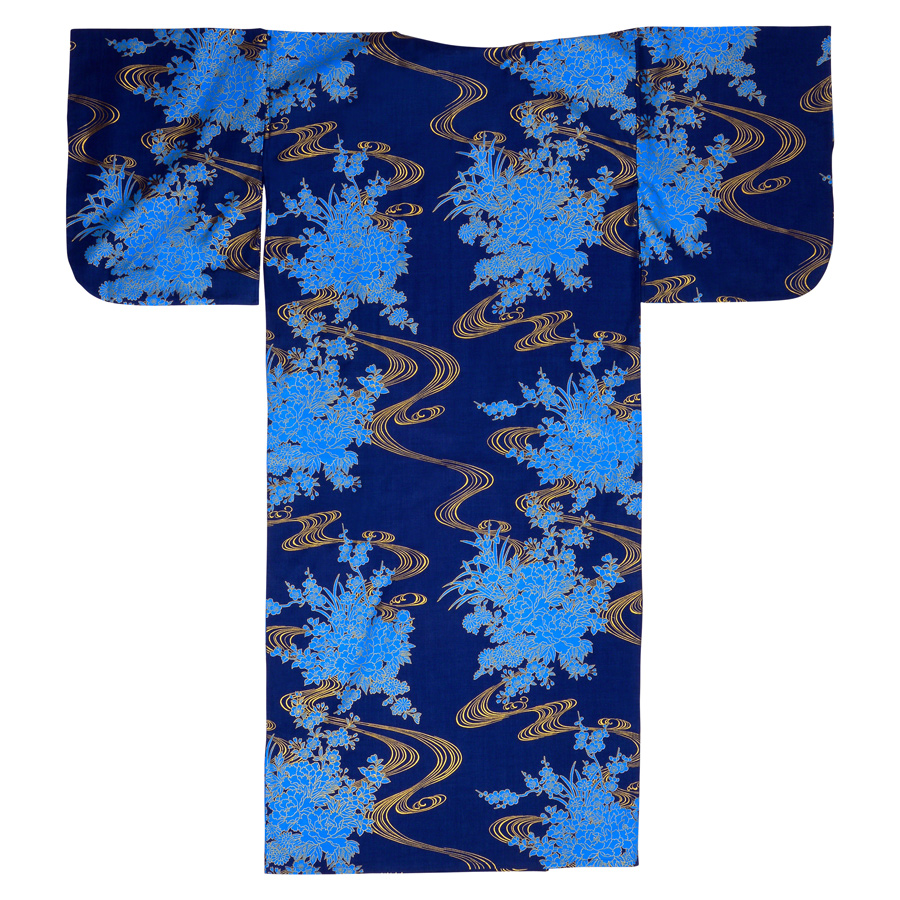
Ironically, the Lily Garden yukata rose to the number three best selling yukata. This robe was marked down as we are discontinuing the style. While it has been a performer over the years as far as sales go, the popularity has dwindled a bit as more customers have selected its sister yukata, the Peony and Princess yukata. The background patterns are nearly identical but feature Geishas across the print. It is fairly rare that we decide to discontinue a pattern, but we have been evaluating our selection lately because we have new patterns arriving early next year. On one hand, we need to make a little room and on the other hand, sometimes it is time to say good bye to an old friend. The sale was popular as we are down to just a few size small at this publishing date. In most other cases we discontinue a pattern because the manufacturer has discontinued or retired a fabric.
It is hard to believe but August is upon us and we want to wish everyone a great balance of Summer. In many states school starts back later this month and we know you want to get those last days at the beach or pool under your belt. We know many people still have vacations planned and will head out in a car or airplane soon. Have fun and most of all stay safe. Thank you for reading our Blog, stop by again.

Photo courtesy of Pixabay.