Posts Tagged ‘Yukata’

Kimono-Inspired Gifts: Unique Ideas for Every Occasion

Wednesday, April 15th, 2026

Finding a truly meaningful gift requires thought and intention. You want to present your loved ones with something beautiful, distinctive, and imbued with significance. Kimono-inspired gifts offer a delicate balance of rich cultural heritage and striking aesthetic appeal. Rooted in centuries of Japanese craftsmanship, these items transform traditional elegance into versatile treasures suitable for modern living.

Whether you are celebrating a wedding, searching for a memorable birthday present, or welcoming a friend into their new home, Japanese artistry provides endless inspiration. By gifting items inspired by the kimono, you share a piece of history, impeccable design, and unparalleled quality. We will explore how accessories, traditional fabrics, and home décor elements make unforgettable gifts for the special people in your life.

The Elegance of Kimono Accessories

Accessories serve as the perfect entry point into the world of traditional Japanese fashion. They allow the recipient to incorporate a touch of elegance into their everyday wardrobe without needing to wear a full kimono.

Statement Obi Belts

The obi is the wide sash worn over a kimono, famous for its heavy silk brocade and elaborate weaving techniques. An authentic obi is a masterpiece of textile art. Many modern fashion enthusiasts use vintage or newly crafted obi belts to cinch dresses, tunics, or coats. Gifting an obi offers a bold, sophisticated accessory that instantly elevates a simple outfit. When selecting an obi, look for intricate Nishijin-ori weaving, a traditional technique from Kyoto that produces breathtaking, multidimensional patterns.

Kanzashi Hairpins

Kanzashi are traditional Japanese hair ornaments designed to complement the kimono. Artisans meticulously craft these pieces using techniques like tsumami-zaiku, where they pinch and fold tiny squares of silk to form three-dimensional petals and flowers. A delicate kanzashi hairpin makes a thoughtful birthday or anniversary gift. It brings a refined, feminine touch to updo hairstyles for formal events, weddings, or evening gatherings.

Traditional Bags and Clutches

Kinchaku (drawstring bags) and clutch purses crafted from vintage kimono silk make exceptional gifts for those who appreciate unique fashion. These bags often feature auspicious Japanese motifs, such as cranes for longevity or cherry blossoms for renewal. A silk clutch serves as a brilliant conversation starter at social events and offers a stunning alternative to mass-produced accessories.

Transforming Spaces with Kimono Home Décor

If your recipient loves interior design, kimono-inspired home décor brings the quiet luxury of Japanese aesthetics directly into their living space. The heavy, ornate fabrics used in kimonos and obis translate beautifully into striking statement pieces for the home.

Wall Hangings and Tapestries

A vintage kimono or a beautifully woven obi sash makes a magnificent wall hanging. By mounting a pristine silk obi on a bamboo pole, you create a dramatic focal point for a living room, hallway, or bedroom. The vibrant colors and metallic threads catch the light, displaying the textile exactly like a piece of fine art. This makes a breathtaking housewarming gift that will anchor a room and command attention.

Elegant Table Runners

Repurposing kimono and obi fabrics into table runners is a wonderful way to bring traditional craftsmanship to the dining room. An obi table runner transforms an ordinary dinner table into a sophisticated setting. The stiff, durable nature of obi silk ensures the runner lies flat and maintains its shape. Gift this to a friend who loves hosting dinner parties or as an unforgettable wedding present that the couple can use for future holiday meals and anniversaries.

Decorative Throw Pillows

Cushion covers fashioned from vintage kimono silk add an instant touch of luxury to a sofa or armchair. Artisans often salvage pristine sections of older kimonos to create these stunning covers. Giving a pair of silk brocade throw pillows is an excellent way to help someone brighten up their living space with a pop of authentic Japanese color and texture.

The Gift of Traditional Japanese Fabrics

For the creative minds, crafters, and eco-conscious friends in your life, the raw materials and traditional fabric items associated with kimono culture make outstanding gifts.

Furoshiki Wrapping Cloths

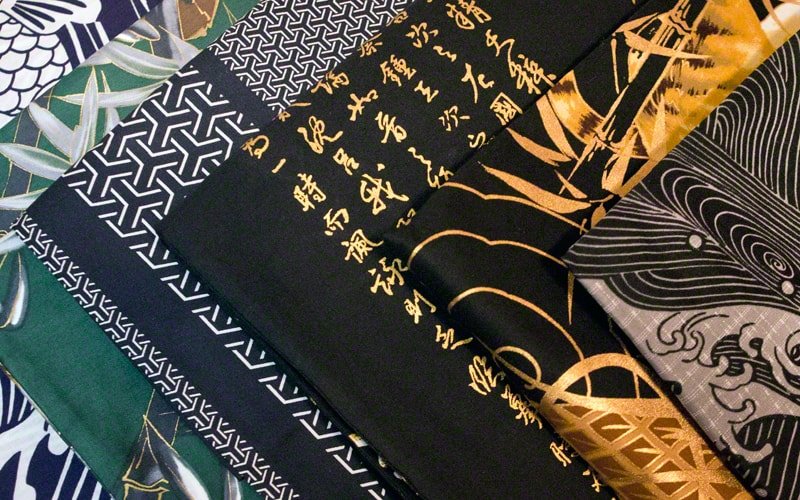
Furoshiki are square pieces of fabric traditionally used to wrap and transport goods in Japan. Today, they serve as a beautiful, eco-friendly alternative to paper gift wrapping. You can purchase Furoshiki in various sizes, featuring classic kimono patterns like waves (seigaiha) or geometric hemp leaves (asanoha). The true magic of Furoshiki is that it functions as a two-in-one present. You can use it to wrap another gift, and the recipient can keep the cloth to use as a scarf, a bag, or a sustainable wrapping cloth for their own future gifting.

Silk Remnants and Fabric Panels

If you are shopping for a quilter, tailor, or DIY enthusiast, consider giving bundles of authentic kimono fabric remnants. Crafters highly prize Chirimen (crepe silk) and Rinzu (damask silk) for their unique textures and high-quality dyes. A curated selection of vintage silk panels allows the recipient to incorporate authentic Japanese textiles into their own creative projects, from patchwork quilts to bespoke clothing accents.

Matching the Motif to the Occasion

When selecting a kimono-inspired gift, pay attention to the patterns woven or dyed into the fabric. Traditional Japanese motifs carry deep symbolic meanings, allowing you to tailor your gift specifically to the occasion.

  • Weddings: Look for items featuring cranes (tsuru) or pine trees (matsu). Cranes mate for life and symbolize longevity and a harmonious marriage. Pine trees represent steadfastness and endurance.
  • Birthdays: Cherry blossoms (sakura) represent the fleeting beauty of life and new beginnings, making them perfect for celebrating another year. Chrysanthemums (kiku) symbolize rejuvenation and long life.
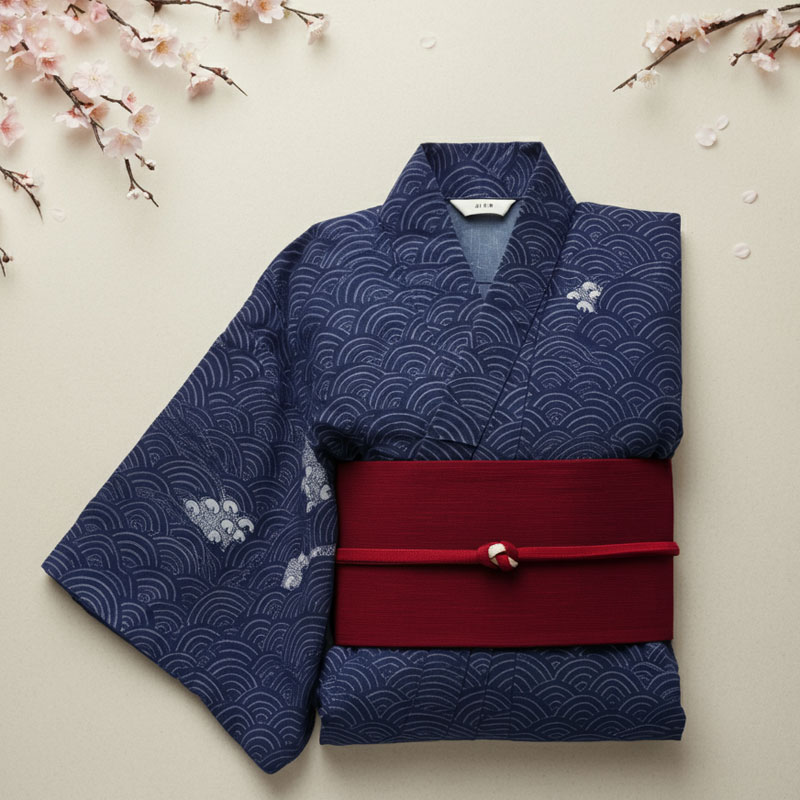
  • Housewarmings: The wave motif (seigaiha) signifies surges of good luck, strength, and resilience. This serves as a wonderful blessing for someone starting a new chapter in a new home.

Discover the Perfect Kimono Gift

Kimono-inspired gifts transcend ordinary presents. They carry the weight of artisanal dedication, the beauty of rich silk, and the profound symbolism of Japanese culture. Whether you choose a gleaming obi table runner for a wedding, a delicate silk hairpin for a birthday, or a versatile Furoshiki cloth for an eco-conscious friend, you are giving a gift that will be cherished for a lifetime.

Ready to find a deeply meaningful gift that leaves a lasting impression? Explore our carefully curated collection of authentic kimonos, beautiful silk accessories, and stunning home décor items today. Visit our shop to discover the perfect piece of Japanese artistry for your next special occasion.
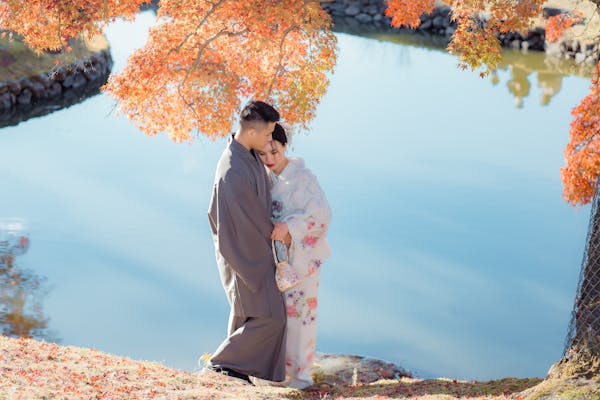
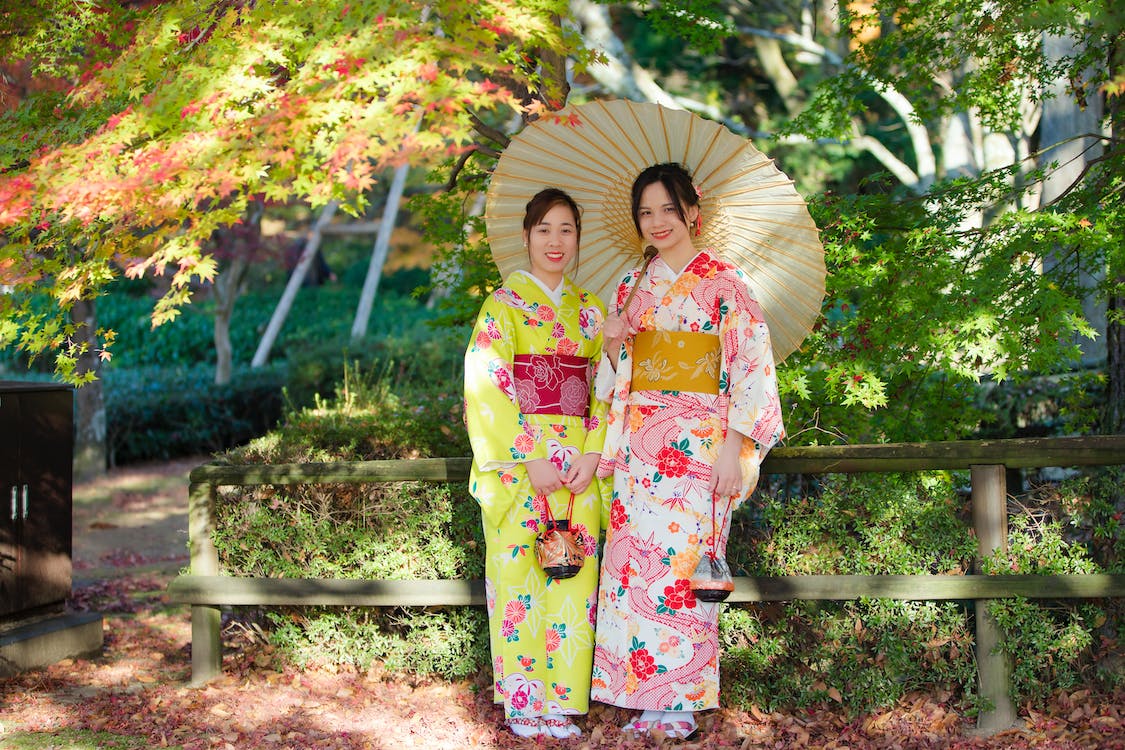
Couple wearing kimonos for their wedding

Wedding – Kimono Style

The Mythology and Symbolism of Japanese Dragons

Wednesday, March 18th, 2026

Dragons capture our imagination across countless cultures, but few societies revere these mythical creatures as much as Japan. While Western stories often depict dragons as terrifying beasts guarding hordes of gold, Japanese folklore paints a vastly different picture. Here, dragons are majestic, benevolent spirits deeply woven into the fabric of daily life, religion, and art.

Understanding the Japanese dragon means diving deep into ancient mythology and exploring its profound spiritual significance. In this guide, we will explore the historical origins of these magnificent creatures, uncover what they represent in Japanese spirituality, and show you how to embrace their powerful symbolism through traditional apparel.

The Roots of Japanese Dragon Folklore

To understand Japanese dragons, you must look back thousands of years. Known in Japanese as ryu or tatsu, these creatures originated from a blend of indigenous legends and imported myths from China, Korea, and India. When Buddhist monks traveled to Japan, they brought stories of powerful serpent-like water deities. Over time, these foreign myths merged with native Shinto beliefs, creating a uniquely Japanese interpretation of the dragon.

You can easily distinguish a Japanese dragon from its Asian counterparts by counting its claws. Traditional Japanese folklore states that dragons have three claws, while Chinese dragons typically have five, and Korean dragons have four. Legend playfully suggests that dragons originated in Japan and grew more claws as they traveled further away.

Regardless of their exact physical description, these creatures quickly became central figures in Japanese creation myths. They lived in oceans, rivers, and lakes, controlling the rainfall and the tides.

Spiritual Significance and Symbolism

In Japanese culture, the dragon is far more than a simple mythological monster. It serves as a complex spiritual symbol representing various virtues and natural forces.

Masters of Water and Agriculture

First and foremost, Japanese dragons are supreme water deities. Because Japan is an island nation heavily dependent on agriculture, controlling water meant controlling life itself. Farmers prayed to dragon gods for rain during droughts and for protection against devastating floods. The dragon became a symbol of balance, ensuring the rice paddies received exactly what they needed to thrive.

Wisdom and Benevolence

Unlike the destructive fire-breathing dragons of European lore, the Japanese ryu embodies ancient wisdom and quiet benevolence. They act as guardians of the divine and protectors of humanity. In many Buddhist temples across Japan, you will see dragon carvings adorning the ceilings or guarding the washing pavilions. These fierce faces are not meant to scare worshipers, but rather to ward off evil spirits and protect the sacred spaces.

Strength, Courage, and Transformation

Dragons also represent immense physical and spiritual strength. A famous legend tells of a persevering koi fish that swam up a massive waterfall against all odds. Upon reaching the top, the gods rewarded the fish for its determination by transforming it into a magnificent dragon. Because of this story, the dragon stands as a universal symbol of courage, resilience, and the ability to overcome impossible obstacles.

Famous Dragons in Japanese Lore

Several specific dragons hold prominent places in Japanese history and literature. Their stories continue to influence art, festivals, and spiritual practices.

Ryujin (The Dragon King): Ryujin is perhaps the most famous Japanese dragon. As the ruler of the sea, he lived in an underwater palace made of red and white coral. He controlled the tides using magical jewels and commanded all marine life. Many Japanese emperors claimed direct descent from Ryujin, using his power to legitimize their rule.

Yamata no Orochi: This fearsome eight-headed, eight-tailed dragon represents a darker side of mythology. According to Shinto legend, the storm god Susanoo defeated this monstrous creature to save a young maiden. Upon defeating the dragon, Susanoo discovered a legendary sword within its tail. This sword eventually became one of the Three Sacred Treasures of Japan, further cementing the dragon’s role in imperial history.

Watatsumi: Often used interchangeably with Ryujin, Watatsumi is the legendary water tutelary deity of Shinto religion. Shrines dedicated to Watatsumi still exist across Japan, particularly in coastal fishing communities seeking safe passage and bountiful catches.

Embracing the Dragon: Traditional Japanese Apparel

The power and beauty of the dragon did not remain confined to ancient scrolls and temple ceilings. For centuries, Japanese artisans have woven dragon motifs into textiles, ceramics, and clothing. Wearing a dragon symbolizes a desire for strength, protection, and good fortune.

Today, you can easily incorporate this powerful symbolism into your own wardrobe. Chopa offers an incredible selection of authentic, dragon-themed kimono and yukata that celebrate these mythical guardians in stunning detail.

The Dragon and Mt Fuji Yukata

Combine two of Japan’s most iconic symbols with the Dragon and Mt Fuji yukata. This design features a majestic dragon soaring above the sacred peak of Mount Fuji. Available in deep navy, striking black, and vibrant red, this lightweight cotton robe perfectly balances traditional artistry with ultimate comfort. The dynamic artwork captures the dragon’s role as a guardian of the natural world.

Premium Black Dragon and Tiger Kimono

For a truly striking piece, the premium Black Dragon and Tiger kimono brings a famous mythological rivalry to life. In Asian philosophy, the dragon and the tiger represent two opposing but complementary forces, much like yin and yang. The dragon commands the heavens, while the tiger rules the earth. This premium garment features intricate detailing that showcases both powerful creatures in perfect harmony against a rich black background.

Embroidered Dragon and Flame Kimono

If you appreciate detailed craftsmanship, the Embroidered Dragon and Flame kimono commands attention. This garment utilizes high-quality embroidery to create a textured, three-dimensional effect. The fierce dragon winds its way through stylized flames, creating a visually stunning piece that practically leaps off the fabric. It serves as a perfect choice for those who want to project confidence and strength.

Dragon and Hawk Yukata

The Dragon and Hawk yukata pairs the mighty water deity with a revered bird of prey. The hawk represents keen vision, nobility, and swift action. When paired with the dragon’s ancient wisdom and strength, the resulting design tells a story of complete mastery over both the sky and the sea.

Dragon and Bamboo Yukata in Navy

For a more understated but equally meaningful design, consider the Dragon and Bamboo yukata in classic navy. Bamboo symbolizes flexibility, resilience, and longevity—qualities that perfectly complement the dragon’s powerful nature. This elegant yukata offers a sophisticated nod to traditional Japanese folklore, making it an excellent choice for relaxing at home or attending summer festivals.

Wear a Piece of Legend

The Japanese dragon remains one of the most compelling and enduring symbols in Eastern mythology. By representing water, wisdom, protection, and strength, these magnificent creatures offer a deeper understanding of Japan’s spiritual heritage and its deep connection to the natural world.

You do not need to visit an ancient temple to appreciate this powerful symbolism. By wrapping yourself in a beautifully crafted garment from Chopa, you can carry the strength and protection of the dragon with you every day. Explore Chopa’s full collection of dragon-inspired kimono and yukatas to find the perfect piece that resonates with your own personal journey.

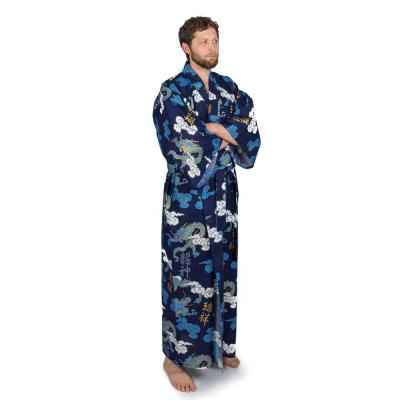
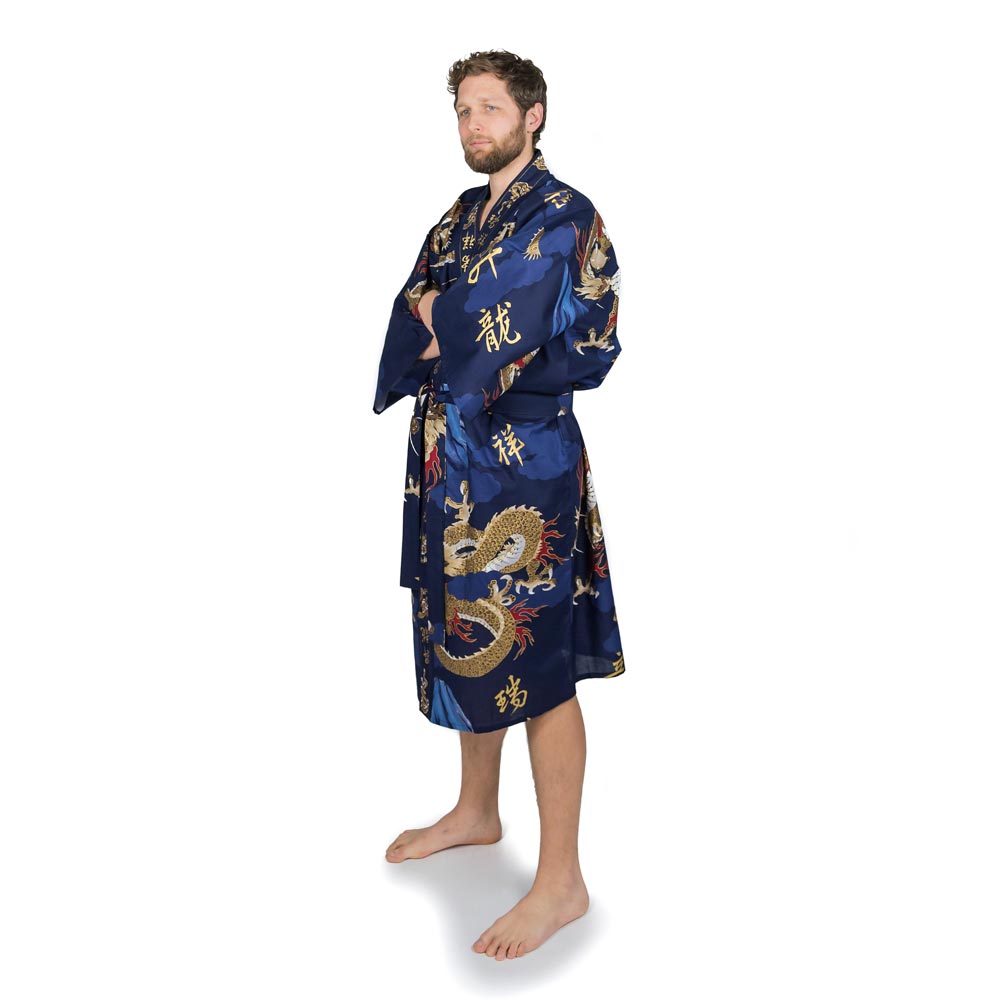
Cloud dragon yukata for men.

Men’s Cloud Dragon Yukata

The Timeless Elegance of Authentic Japanese Kimonos

Wednesday, March 4th, 2026

Step into a rich tradition of artistry and grace. The Japanese kimono is an enduring symbol of beauty, carefully woven with centuries of history and profound cultural significance. Draping a beautifully crafted kimono over your shoulders allows you to experience a story of meticulous craftsmanship and heritage. These garments carry the spirit of the artisans who design them and the generations who have cherished them.

Celebrating 33 years of kimono perfection, our employee-owned company has passionately shared this legacy with the world. Our deep appreciation for quality fabrics, unique patterns, and exceptional comfort guides everything we do. We believe that choosing a traditional Japanese garment is a deeply personal journey, one that connects you to an elegant and refined aesthetic.

We invite you to explore the beautiful world of traditional Japanese attire. By understanding the subtle differences between our most beloved garments, you can find the perfect piece that resonates with your personal style and needs.

Understanding the Art of Traditional Garments

The beauty of Japanese clothing lies in its incredible variety. Each style serves a unique purpose, carefully tailored to different seasons, occasions, and levels of formality.

The Classic Kimono

The kimono represents the pinnacle of Japanese elegance. Traditionally worn for formal events, ceremonies, and special gatherings, the classic kimono features long, flowing sleeves and intricate patterns. We carefully select premium fabrics to ensure that every kimono drapes beautifully and feels luxurious against the skin. The vibrant colors and elegant motifs often reflect the changing seasons, allowing you to wear a piece of nature’s beauty.

The Breezy Yukata

When the warm summer months arrive, the yukata offers a beautifully comfortable alternative. Originally worn as a bathing robe, the yukata has evolved into a popular garment for summer festivals, fireworks displays, and relaxed evening strolls. Crafted from lightweight, breathable cotton, a yukata keeps you cool while maintaining an effortless sense of style. The patterns tend to be playful and bold, bringing a festive energy to your wardrobe.

The Versatile Happi Coat

For those seeking a touch of Japanese tradition in a shorter, more casual silhouette, the happi coat is a wonderful choice. Historically worn during festivals and by craftsmen, the happi coat is a straight-cut, lightweight jacket. Today, it serves as a comfortable and stylish layering piece for everyday wear or relaxing at home. Its relaxed fit and striking designs make it a beloved addition to any closet.

Craftsmanship You Can Feel

Our customers wear a story, a tradition, and a piece of craftsmanship that has been carefully selected and delivered with care. Every stitch and seam reflects a dedication to excellence. We partner with skilled artisans who understand the nuances of traditional textile design. From the initial dyeing process to the final tailored finish, our garments are crafted to withstand the test of time.

The staff at Kimono Shop works hard to ensure customer satisfaction. We take immense pride in our curated collections, ensuring that every garment meets our rigorous standards for durability and beauty. This shared passion for quality means you receive a product crafted with genuine love and respect for the culture it represents.

Finding Your Perfect Fit and Style

Selecting the right kimono or yukata should be a joyful and seamless experience. We offer a wide range of sizes to ensure that everyone can enjoy the elegance of traditional Japanese clothing. Our friendly and attentive customer service team is always ready to help you navigate our collection.

Consider the occasions you plan to attend and the fabrics that bring you comfort. A crisp cotton yukata might be perfect for hosting a summer garden party, while a beautifully patterned silk-blend kimono could be the ideal choice for an upcoming formal celebration. Whatever you choose, the right garment will make you feel confident and deeply connected to a timeless tradition.

Frequently Asked Questions

What is the main difference between a kimono and a yukata?

The primary difference lies in the fabric and the occasion. Kimonos are typically made from heavier, luxurious materials like silk or fine synthetic blends and are worn for formal events. Yukatas are crafted from unlined, breathable cotton and are designed for casual, warm-weather wear.

How should I care for my authentic Japanese garment?

Care instructions vary depending on the fabric. Cotton yukatas and happi coats can often be gently hand-washed or machine-washed on a delicate cycle in cold water. Formal kimonos, especially those made of silk, usually require professional dry cleaning to preserve their intricate dyes and structural integrity.

Do I need special accessories to wear these garments?

To achieve the traditional look, a kimono or yukata is typically secured with a belt called an obi. You might also want to pair your outfit with traditional footwear, such as geta or zori. However, many of our customers enjoy wearing our garments open as beautiful, flowing robes around the home.

Embrace a Legacy of Excellence

When you choose Chopa, you are choosing a legacy of excellence. We want our customers to have a smooth and pleasant shopping experience, from the moment you browse our unique patterns to the day your new garment arrives at your door.

We warmly invite you to explore our extensive collection of Japanese kimonos, yukatas, and short-length happi coats. Discover the perfect piece to enrich your wardrobe and become part of a beautiful, enduring tradition today.

Luxury loungewear, Japanese Kimonos and Yukata

Kimonos Make Great Gifts

Why Chopa is Your Trusted Source for Authentic Kimonos

Thursday, November 6th, 2025

Finding an authentic Japanese kimono or yukata in the United States can be a challenging search. You may worry about quality, sizing, and the hidden costs associated with international shipping. At Chopa, we’ve spent over three decades simplifying this process, connecting you directly with the timeless elegance of Japanese craftsmanship. We are more than just a store; we are your trusted, domestic source for quality, authentic Japanese robes.

This post will show you why discerning customers have chosen us since 1994. We’ll cover how our direct import model saves you money and hassle, why our US-based operations provide unmatched convenience, and how our commitment to quality and variety makes us the premier destination for kimonos online.

The Kimono Shop Advantage: A Seamless Shopping Experience

We built our business to eliminate the barriers between you and the perfect Japanese robe. Shopping with us is designed to be simple, secure, and satisfying.

Direct Importing Means No Hidden Costs

Have you ever ordered something from overseas, only to be surprised by unexpected taxes, duties, and customs fees upon delivery? We ensure that it never happens. As a direct importer, we handle all the complexities of international trade.

  • No Surprise Fees: The price you see is the price you pay. We manage all import duties and taxes so you don’t have to.
  • Hassle-Free Customs: Your order ships from our US location, so it won’t get stuck in customs. You receive your package without delays or extra paperwork.
  • Authentic Connection: By working directly with artisans in Japan, we maintain a direct line to the source, ensuring every robe we sell is genuine.

USA-Based for Fast Shipping and Easy Returns

Convenience is key. Because we are based in the United States, your entire shopping experience is faster and more reliable. When you order from Chopa, you get the peace of mind that comes with domestic service.

Enjoy fast shipping that gets your beautiful new robe to your doorstep quickly. Need to make a change? Our straightforward, US-based return process makes exchanges and returns simple. You won’t have to deal with the cost and complexity of international return shipping.

Unmatched Selection and Inclusive Sizing

A kimono is a personal expression of style and comfort. That’s why we believe everyone should be able to find a robe that fits them perfectly and reflects their unique taste.

Over 100 Styles, Patterns, and Colors

Our curated collection is one of the largest available online, featuring more than 100 distinct options. Whether you prefer the lightweight comfort of a cotton yukata for summer or the luxurious feel of a classic silk kimono, you will find it here. Our selection includes traditional florals, bold geometric patterns, and serene, solid colors to suit any preference.

Sizing for Every Body

We proudly offer an extensive range of sizes to ensure a comfortable and flattering fit for everyone. We understand that one size does not fit all, so we stock robes designed for various body types. Our inclusive sizing includes:

  • Petite
  • Regular
  • Portly
  • Tall
  • Big and Tall
  • Full-Figured

With our detailed sizing guides, you can confidently choose the right kimono or yukata that feels made just for you.

Quality You Can Feel, Prices You Can Trust

We are committed to offering exceptional value. We believe that authentic, high-quality Japanese robes should be accessible without an exorbitant price tag.

Made in Japan by Skilled Craftspeople

Every kimono and yukata in our collection is crafted in Japan. We partner with dedicated artisans who have honed their skills over generations. This commitment to authentic Japanese craftsmanship is evident in the fine stitching, beautiful fabrics, and durable construction of every robe. When you wear a Chopa kimono, you are wearing a piece of genuine artistry.

Competitive Pricing for Superior Quality

By importing directly and managing our operations efficiently, we can offer our authentic robes at competitive prices. You receive a garment of superior quality—one that will last for years—at a fair price. We provide an affordable entry into the world of authentic Japanese textiles without ever compromising on quality.

A Legacy of Trust Since 1994

For over 30 years, Chopa has been the go-to source for customers seeking authentic Japanese kimonos and yukatas. Our longevity is a testament to the trust we have built with our community. Many of our customers are repeat buyers who return time and again for the quality, service, and reliability they know they will receive from us. They trust our expertise and our commitment to their satisfaction.

When you shop with Chopa, you are not just making a purchase; you are joining a community that values authenticity, quality, and exceptional service.

Find Your Perfect Kimono Today

Experience the comfort, elegance, and artistry of a genuine Japanese kimono or yukata. With our vast selection, inclusive sizing, and hassle-free shopping experience, you are sure to find the perfect robe to cherish for years to come.

Browse our collection now and discover why Chopa has been the most trusted name in kimonos since 1994.

Shop Kimonos and Yukatas Now

Kimono Loungewear

Why You Should Start Christmas Shopping Early

Friday, October 31st, 2025

Is it too early to hear sleigh bells ringing? While it might feel like the winter holidays are still far off, getting a head start on your Christmas shopping this year is more than just a good idea—it’s a smart strategy. With retailers already warning about potential product shortages and price increases, early planning can save you stress, money, and disappointment.

Starting your gift hunt now ensures you get exactly what you want for your loved ones without the last-minute panic. This guide will walk you through the key benefits of early shopping, from avoiding stock-outs to securing the perfect presents. We’ll also explore some unique gift ideas, like kimonos and yukatas, that are sure to delight everyone on your list.

Beat the Shortages and Price Hikes

One of the most compelling reasons to shop early is the economic climate. Global trade negotiations and tariffs are creating uncertainty in the retail sector, and many businesses are concerned about their ability to keep shelves fully stocked this holiday season.

The Ripple Effect of Trade Uncertainty

When tariffs are imposed on goods, the cost to import those products rises. Retailers often have two choices: absorb the extra cost, which cuts into their profits, or pass it on to consumers through higher prices. Many experts predict that shoppers will see price tags on everything from electronics to clothing creep upward as the holidays approach.

By shopping now, you can lock in current prices before any potential hikes take effect. You are essentially buying your gifts before holiday-driven inflation hits, which could lead to significant savings, especially if you have a long list of people to buy for.

Avoid the “Out of Stock” Nightmare

Beyond pricing, there is a real concern about product availability. Retailers place their holiday orders months in advance, and ongoing trade discussions could disrupt supply chains. This might lead to:

  • Limited Selection: The most popular items and specific styles may sell out long before December.
  • Delayed Restocks: If a hot toy or trendy gadget sells out, it might not be restocked before Christmas.
  • Fewer Choices: You may be forced to settle for second-best if you wait too long to shop for high-demand products.

Shopping early means you get first pick of the inventory. You can browse a full selection of items, colors, and sizes, ensuring you find the perfect gift rather than what’s simply left over.

Secure Peace of Mind with Early Delivery

Holiday shopping isn’t just about buying the gift; it’s also about getting it where it needs to go on time. The holiday season puts immense strain on shipping carriers, and delays are increasingly common.

The Last-Minute Shipping Scramble

Every year, millions of people wait until the last minute to ship their packages, creating a logistical bottleneck. This often results in missed delivery deadlines and added stress. If you are sending gifts to family or friends who live out of state, this is an even bigger concern. You need to account for two shipping windows: the time it takes for the item to get to you, and the time it takes for you to forward it to its final destination.

Starting early gives you a generous buffer. You can take advantage of standard, more affordable shipping options and avoid the exorbitant fees for expedited services. More importantly, you can rest assured knowing your gifts will arrive with plenty of time to spare.

The Advantage of Extended Holiday Returns

A common hesitation with early shopping is the fear of being stuck with a gift that the recipient doesn’t love. What if you buy something in October, but the return window closes before you even give the gift in December?

Fortunately, most retailers have you covered. They understand that people shop early for the holidays and adjust their policies accordingly. Many major stores offer an extended holiday return period. Typically, items purchased from October through December can be returned well into January of the following year. Before you buy, simply check the store’s return policy. You’ll likely find that you have plenty of flexibility, removing the risk from your early purchases.

Discover Unique Gifts That Delight: Kimonos and Yukatas

When you shop early, you have more time to think beyond the usual gift cards and gadgets. You can discover truly special presents that reflect thoughtfulness and care. Kimonos and yukatas are perfect examples of gifts that blend beauty, comfort, and timeless style.

These traditional Japanese garments are incredibly versatile and make a wonderful gift for almost anyone on your list.

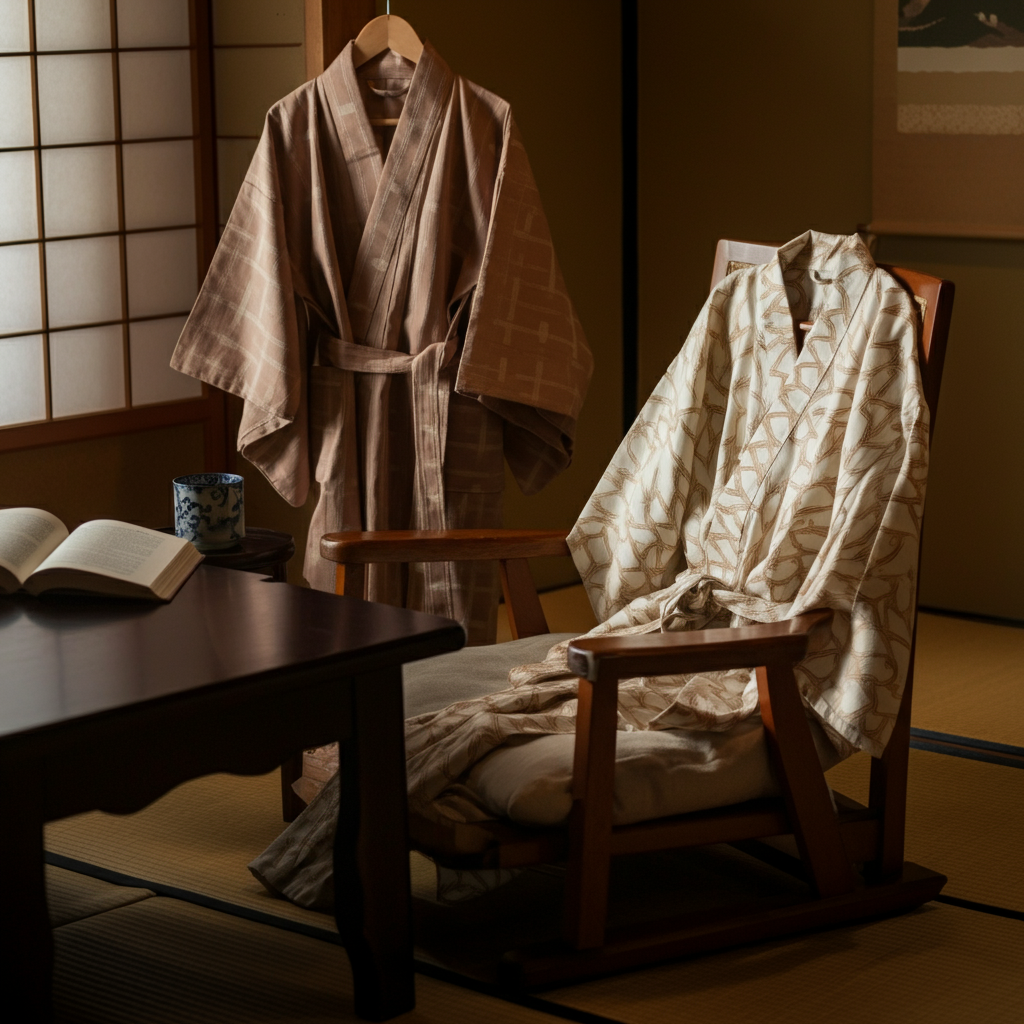
  • For the Homebody: A soft, comfortable kimono is the ultimate loungewear. It’s a luxurious upgrade from a standard bathrobe and perfect for relaxing with a cup of tea and a good book.
  • For the Fashion-Forward: A stylish yukata or short kimono (known as a “happi coat”) can be worn as a chic jacket over jeans and a t-shirt or as an elegant cover-up at the beach.
  • For the Person Who Has Everything: A beautifully crafted kimono is a unique and memorable gift. Its intricate patterns and rich history make it a piece of wearable art.

Kimonos and yukatas are available in a wide range of fabrics, from breathable cotton (ideal for yukatas) to knits, woven, and even luxurious silk. They offer a touch of elegance and comfort that feels both personal and special, making them a standout choice this holiday season.

Your Early Holiday Shopping Checklist

Ready to get started? Use this simple checklist to stay organized and make your early shopping experience a breeze.

  • [ ] Make Your List: Write down everyone you need to buy a gift for.
  • [ ] Set a Budget: Decide on a total spending limit and allocate a budget for each person.
  • [ ] Brainstorm Ideas: Think about each person’s hobbies, interests, and needs. Consider unique options like kimonos.
  • [ ] Research Prices and Policies: Compare prices online and in-store. Check the retailer’s extended holiday return policy before you buy.
  • [ ] Track Your Purchases: Keep a list of what you’ve bought to avoid duplicates and stay within budget.
  • [ ] Designate a Hiding Spot: Find a safe place to store the gifts away from curious eyes.
  • [ ] Plan for Shipping: If you’re mailing gifts, note the required shipping deadlines and prepare your boxes and labels early.

Start Your Thoughtful Gifting Today

The holidays should be a time of joy and connection, not stress and frantic shopping trips. By starting your Christmas shopping now, you can enjoy a more relaxed and meaningful holiday season. You’ll save money, avoid crowds, and have the satisfaction of finding thoughtful gifts that your loved ones will cherish.

So, make your list and start browsing today. Consider a beautiful kimono or yukata for someone special—it’s a gift of comfort, style, and thoughtfulness, all wrapped in one.

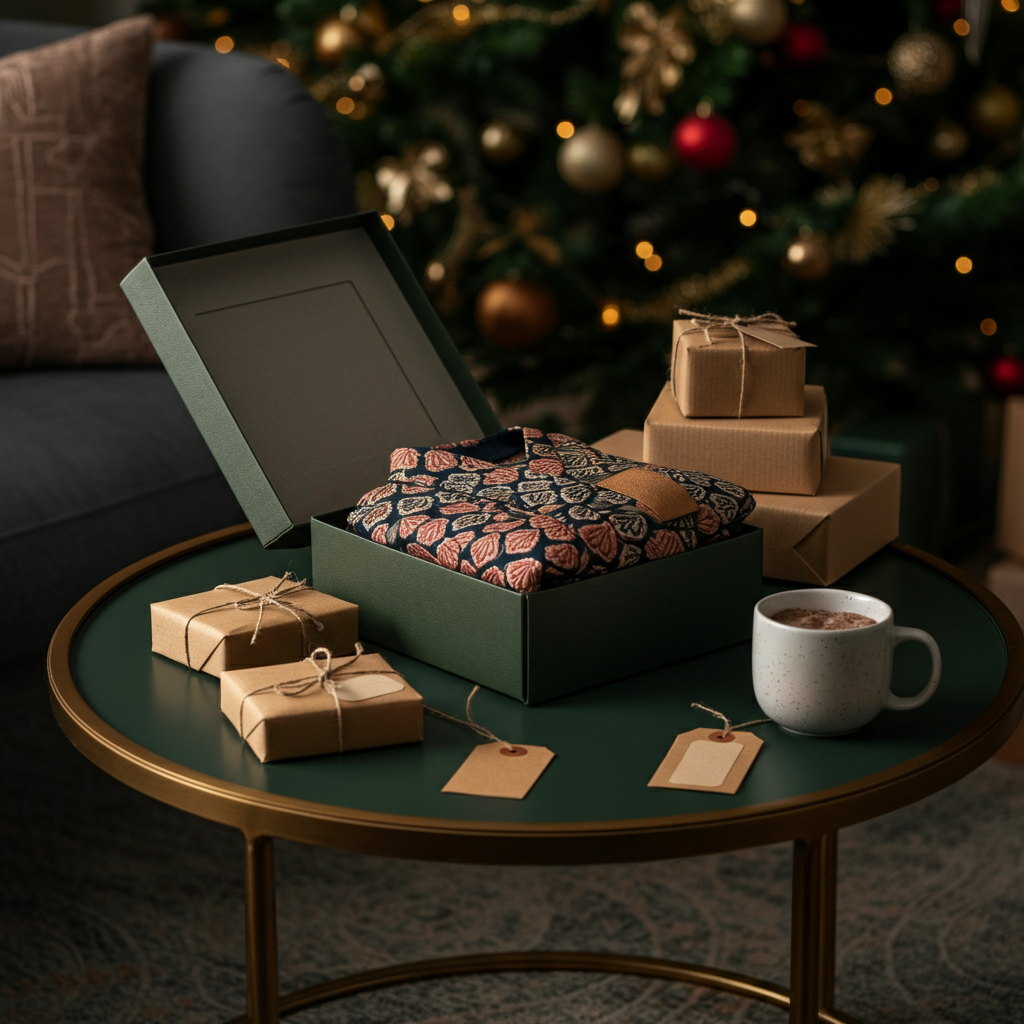
Kimono Christmas features a gift boxed kimono in a festive setting.

Kimono Christmas

The History of the Kimono and Yukata

Friday, August 8th, 2025

The Evolution of Japanese Garments Through Time

Over the centuries, both kimonos and yukatas have evolved to keep up with Japan’s changing cultural identity. The Meiji Restoration (1868–1912) marked Japan’s rapid modernization and exposure to Western fashion, impacting how traditional clothing was worn. Western suits gained popularity in the workplace, while the kimono transitioned into an outfit reserved for ceremonies and special occasions.

During the Taisho period (1912–1926), kimono designs embraced new artistic styles influenced by Art Deco. Bright colors and bold patterns reflected the youth culture of the time, blending old traditions with new inspirations.

The yukata, on the other hand, became a staple for summer festivals and leisure. Its simplicity and comfort meant it remained widely used, especially as Westernization required fewer formal outfits in daily life.

Modern-Day Kimono and Yukata

Fast forward to today, and both garments remain beloved symbols of Japanese heritage and craftsmanship. Despite their decline in daily wear, their cultural significance has kept them alive in modern Japan and on the global stage.

The Kimono in Modern Fashion

Luxury kimono tailoring is still highly respected, with artisans spending months crafting a single piece. Designers such as Issey Miyake and Hanae Mori have incorporated traditional kimono elements into contemporary fashion, bringing the aesthetic to haute couture. Additionally, kimonos are featured prominently in Japanese weddings, tea ceremonies, and as a way to mark coming-of-age celebrations.

Internationally, the kimono has gained attention as a fashion statement, often worn as a jacket over casual clothes or as part of a fusion outfit. However, the cultural appropriation of this garment has sparked conversations about respecting its heritage when used outside of Japan.

The Yukata Today

The yukata is still widely embraced for casual and semi-formal occasions, especially during summer festivals like the Hanabi Taikai (fireworks festivals) or when visiting traditional inns (ryokan). Many young people enjoy choosing colorful yukatas, often pairing them with geta (wooden sandals) and decorative hairpins for a vibrant, playful look.

Notably, yukatas have experienced a resurgence due to their lightweight design and affordability, appealing to tourists who wish to participate in Japanese cultural traditions.

Why the Kimono and Yukata Matter Today

The kimono and yukata represent more than just fashion—they are wearable stories of Japan’s past, present, and future. They showcase the artistry of Japanese textile makers, the symbolism of its patterns, and the adaptability of traditional culture in a globalized world.

Whether worn during festivals, preserved in museums, or reimagined on runways, these garments endure as a testament to Japan’s dedication to art, elegance, and cultural identity. For those fortunate enough to wear them today, the kimono and yukata continue to connect individuals to the beauty and history of Japan.

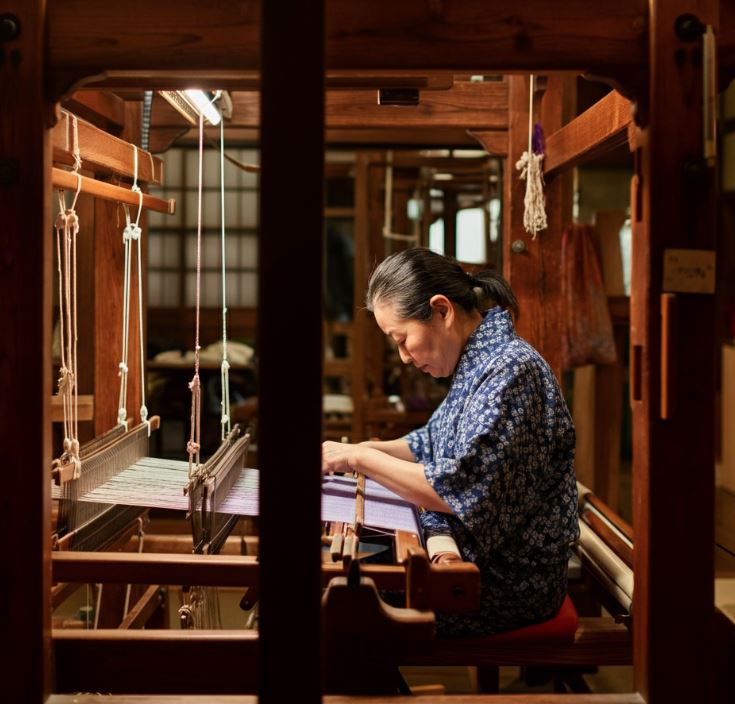
Japanese Kimono craftsman

Why Quality Matters: The Story Behind Our Kimonos

Friday, July 18th, 2025

There’s a reason why kimonos are celebrated worldwide as not just garments but works of art. They carry cultural heritage, showcase remarkable craftsmanship, and boast intricate designs that stand the test of time. At the heart of every kimono lies an unwavering commitment to quality. But what truly makes kimonos special? Join us as we explore the meticulous process of creation, the artisanship behind each piece, and what makes these timeless garments treasures to own.

The Cultural Significance of Kimonos

Kimonos are more than just clothing; they are a cultural symbol in Japan. Historically, they represented the wearer’s social status, personality, and individuality. Each detail on a kimono, from the patterns to the choice of fabric, carries specific meaning. For instance, floral motifs often reflect the seasons, with cherry blossoms signifying spring and chrysanthemums symbolizing longevity.

Beyond their wearable beauty, kimonos are deeply tied to rituals and milestones—weddings, tea ceremonies, and coming-of-age celebrations. Every kimono tells a story, making each piece a priceless heirloom to be passed down through generations.

Sourcing Materials with Purpose

Creating a kimono starts with selecting the finest materials. Quality kimonos are traditionally made from pure silk, an unmatched fabric for elegance, durability, and dye absorption. This material provides the perfect canvas for intricate patterns and vibrant colors.

Today, while silk remains a primary choice for formal kimonos, other materials such as cotton and wool are also used for casual wear. Regardless of the fabric, the emphasis is always on longevity and preserving the authenticity of traditional methods.

The dyeing process further elevates the material’s beauty. Artisans use natural dyes to achieve hues that are not only vivid but environmentally sustainable. These dyes require skillful precision, as the process can take days—or even weeks—to yield the perfect shades.

The Artisans at Work

Creating a kimono is not a single-person effort. It involves a collaborative process that brings together seasoned artisans, each with a specialized skill. Here’s how the remarkable team behind a kimono works their magic:

1. Pattern Designers

These artists sketch the kimono’s motif, ensuring every line and shape aligns with the garment’s cultural significance. Their designs blend tradition with innovation, resulting in patterns that appeal to modern tastes while staying true to heritage.

2. Weavers

Once the design is finalized, the weavers bring it to life on looms. Using complex weaving techniques like nishijin-ori (a Kyoto specialty), they create textiles that are both robust and delicate. Depending on the pattern’s complexity, this step can take months.

3. Dyers

The fabric then goes to the dyers, who use age-old methods like yuzen dyeing. This painstaking process involves painting designs freehand with rice paste resist, followed by multiple dye baths to achieve each vibrant hue.

4. Sewers and Finishers

Finally, master sewers assemble the kimono with precise, hand-stitched seams. Even here, no detail is overlooked. The alignment of patterns along the seams is carefully examined, ensuring the design flows seamlessly.

The Meticulous Process of Creation

From start to finish, crafting a kimono is nothing short of a labor of love. Here’s a glimpse into the process:

  • Fabric Preparation

The act of preparing silk involves washing, stretching, and refining until it’s smooth yet durable, ready to take on patterns and dyes.

  • Dyeing and Pattern Creation

The chosen design is transferred onto the fabric, either through hand-painting or stenciling. Artisans ensure every stroke, line, and motif is carefully rendered for a mesmerizing finish.

  • Cutting and Sewing

A kimono is made from one continuous bolt of fabric called a tan. Each tan is meticulously cut so as to not waste an inch. The sewing process focuses not only on precision but also on symmetry, which is vital for the garment’s harmony.

  • Final Touches

After rigorous inspection for quality, the kimono is steamed to remove creases and folded in the traditional manner, ready for wear or display.

Why Quality Matters

When you wear a kimono made with care and authenticity, you’re not just wearing a piece of clothing—you’re donning a legacy. High-quality craftsmanship means these garments can last for decades, maintaining their beauty and integrity. It’s no wonder vintage kimonos are highly sought after today.

Beyond physical durability, the true value lies in the intangibles—the artisans’ dedication, the centuries-old techniques, and the stories embedded in the fabric. Quality ensures that every kimono is not just a product but a symbol of culture, artistry, and passion.

The Timeless Appeal of Kimonos

Despite modernization, the allure of a well-made kimono remains undeniable. Its timeless design seamlessly adapts to contemporary fashion while retaining its traditional essence. Styled casually or worn during formal occasions, a quality kimono transcends trends and generations, making it both fashionable and meaningful.

Investing in a quality kimono isn’t just about owning a piece of clothing; it’s about appreciating a tradition that values artistry and excellence. It’s a commitment to preserving heritage and supporting the artisans who dedicate their lives to this remarkable craft.

Final Thoughts

The story behind kimonos is one of dedication, artistry, and cultural pride. Each piece is a testament to the beauty of craftsmanship, the significance of materials sourced with respect, and the history woven into every thread.

When you choose a kimono that embodies quality, you’re not just investing in a garment—you’re choosing to honor tradition, support artisans, and celebrate timeless style. After all, true beauty lies in the details, and those details are what make a kimono truly unforgettable.

Life feels better in a kimono.

Kimono Party!

Happi Coats: A Timeless Blend of Tradition and Modern Elegance

Thursday, March 27th, 2025

The Happi Coat is a fascinating garment steeped in history, cultural significance, and evolving uses that merge tradition with contemporary fashion. Whether you’re a Japan enthusiast, a kimono lover, or simply someone looking for elegant yet comfortable loungewear, the Happi Coat is a one-of-a-kind addition to your wardrobe. This blog takes you on a rich and immersive exploration of the Happi Coat’s evolution, offering insights into its significance, styling tips, care, and why you might want to call one your own.

A Brief History of the Happi Coat

The Happi Coat has been a cherished part of Japanese culture for centuries. Originally worn by workers and festival participants, the Happi Coat was adorned with symbols and family crests that denoted unity and pride. Over time, this knee-length kimono, often made of lightweight cotton, transformed into a versatile piece of Japanese fashion.

During the post-war period, the Happi Coat gained global attention, especially in the West, where it became known as the “shortie.” Women’s house coats became shorter and more casual, and today, the Happi Coat’s appeal transcends its cultural roots as a timeless blend of comfort, tradition, and personal expression.

Cultural Significance in Japanese Society

The Happi Coat plays a prominent role in Japanese festivals and ceremonial events. You’ll often spot them in vibrant parades, worn by groups to show unity and identity. Typically crafted with bold colors and patterns—such as kanji characters or family crests—they are symbols of celebration and tradition. This garment embodies the spirit of Japanese craftsmanship and respect for cultural heritage, making it a garment with deep sentimental value.

Modern Fashion Integration

Today, the Happi Coat is more than just a cultural artifact—it’s a versatile fashion statement. Its short-length design and airy fabric make it the perfect wardrobe piece for various occasions. Here are a few ways to style your Happi Coat in modern life:

  • Beach or Pool Cover-Up

Transition effortlessly from a swim to lounging by the shore by pairing your Happi Coat with your favorite swimsuit. The light fabric and colorful designs make it both practical and eye-catching.

  • Loungewear Chic

Whether you’re reading, listening to music, or simply relaxing at home, Happi Coats make for the ultimate sophisticated loungewear. Their knee-length fit combines comfort with a touch of elegance.

  • Layered Streetwear

Make a bold fashion statement by incorporating a Happi Coat into your casual outfits. Layer it over a plain top and jeans, or elevate your look with sandals and accessories reminiscent of traditional Japanese design.

Choosing the Right Happi Coat for Every Occasion

Selecting the perfect Happi Coat is an art in itself, and at Kimono Shop, there are countless designs waiting to inspire you. Here are some tips to find the one that suits your needs:

  • Elegant Simplicity: Opt for muted tones and minimal patterns when looking for a Happi Coat suitable for home or laidback occasions.
  • Festival-Perfect: If you’re drawn to vibrant celebrations and parties, go bold with bright colors and intricate designs. Look for traditional motifs such as kanji or floral prints to honor the garment’s festive origins.
  • Versatility in Design: For everyday wear, choose Happi Coats in neutral palettes with subtle prints. These can seamlessly blend into your wardrobe while still making a statement.

Browse the beautiful selection of Japanese Happi Coats for men and women at Kimono Shop and find one that speaks to your unique taste.

Care and Maintenance

Your Happi Coat deserves premium care to maintain its quality and beauty. To ensure your garment stays as stunning as the day you received it, keep these tips in mind:

  • Handle with Care: Always wash your Happi Coat using a gentle hand-wash cycle or by hand to avoid damaging intricate designs.
  • Mild Detergent: Opt for a mild detergent that won’t fade the garment’s vibrant colors.
  • Air Dry: Avoid exposing your Happi Coat to direct sunlight for extended periods, as this can diminish its color. Instead, air dry it in a shaded area.

By following these simple steps, you’ll keep your Happi Coat looking impeccable for years to come.

Experience the Timeless Elegance of Happi Coats

Happi Coats encapsulate the beauty of Japanese tradition, the artistry of fine craftsmanship, and the versatility of modern-day fashion. Whether you’re using it as a breezy beach cover-up, a luxurious lounge robe, or an artistic statement piece, the Happi Coat is a wearable celebration of culture and comfort.

Explore the exquisite collection of Happi Coats at Kimono Shop and discover designs that honor tradition while fitting effortlessly into today’s lifestyles. Each garment is a testament to quality and care—offering you not just a piece of clothing, but a legacy of art and history.

Happi Coat Kimono

Popular Happi Coat

Transform Your Space with Japanese Kimono and Yukata Wall Art

Thursday, March 13th, 2025

The Japanese kimono and yukata have always been more than garments—they are works of art rich in tradition, craftsmanship, and storytelling. Beyond wearing them, these beautiful textiles can be repurposed as stunning wall art to bring elegance, history, and culture into your home. With their intricate designs and symbolic patterns, kimonos and yukatas provide a unique and meaningful way to decorate any space.

If you’re a home decor enthusiast, an admirer of Japanese culture, or an art collector, here’s a guide on using kimonos and yukatas as exceptional wall art.

Why Display Kimono and Yukata as Wall Art?

Displaying a kimono or yukata as wall art goes beyond decoration—it celebrates tradition and beauty in a tangible, awe-inspiring way. Here are a few reasons why they make stunning decor pieces:

1. A Tribute to Japanese Craftsmanship

Every stitch of a kimono or yukata tells a story of Japanese artistry. Made with impeccable attention to detail, these textiles feature hand-painted motifs, intricate embroidery, or woven patterns that are true masterpieces. Hanging one on your wall is like showcasing a fine piece of art.

2. Unique, Meaningful Decor

Kimonos and yukatas are steeped in cultural meaning. Their patterns often symbolize prosperity, good fortune, or the changing seasons. By displaying one, you’re adding a layer of depth and storytelling to your decor.

3. Timeless Elegance

There’s something undeniably elegant about the flowing lines and rich fabrics of a kimono. Its presence instantly elevates a space, bringing a clean yet dramatic focal point to your room.

4. Versatility Across Styles

Whether your home leans toward minimalist Japanese aesthetics or bold and eclectic vibes, a kimono can adapt perfectly. Its versatility ensures it will harmonize with your existing decor while adding a unique element of charm.

Creative Ways to Display Kimono and Yukata as Wall Art

There are several ways to turn a traditional kimono or yukata into a centerpiece for your home. Here are some methods to suit various preferences and styles:

1. Traditional Hanging Rod or Kimono Hanger

The classic way to display a kimono or yukata is by using a wooden or bamboo rod. Draping the garment over the rod showcases its full width and allows the beautiful patterns and colors to flow naturally. This simple method embodies the minimalist elegance of Japanese design. The hanger makes displaying easy. View one by clicking on this link.

Tip: To make the display cleaner and more secure, use discreet hooks or brackets to mount the rod to the wall.

2. Frame It Under Glass or Plexiglass

For a more polished and modern look, consider framing the kimono or yukata under glass or plexiglass. This approach protects the fabric from dust and damage while transforming it into a museum-quality art piece. It’s perfect for spaces like living rooms or offices where you want a sleek, structured aesthetic.

Tip: Use UV-protective glass to prevent fading of the vibrant colors.

3. Mount It on a Canvas

Stretch the kimono or yukata over a canvas or a lightweight frame to display specific sections of its intricate design. This option works well for smaller spaces or when you want to highlight particular details without showcasing the entire garment.

4. Shadow Box Display

Place the kimono or yukata in a deep shadow box for a dynamic presentation. You can include smaller elements, like obi (sashes) or accessories, alongside the garment for a more comprehensive display. This format is particularly effective if you want to create a storytelling piece.

5. Creative Folds

For a contemporary take, fold the kimono into asymmetrical or geometric shapes and mount it directly onto the wall with adhesive strips or custom hangers designed for textiles. This unconventional presentation adds a modern twist to a traditional art form.

6. Layer It with Other Decor

Pair your kimono or yukata with complementary wall decor, such as shoji screens, calligraphy scrolls, or Japanese woodblock prints. The layering creates a curated, gallery-like appeal that celebrates Japanese art as a whole.

How to Care for Your Kimono Wall Art

To keep your kimono or yukata looking beautiful for years, follow these care tips:

  • Minimize Sunlight Exposure: Direct sunlight can cause colors to fade over time. Place your display in a spot with minimal direct sunlight or use UV-blocking window films.
  • Dust Gently: Use a soft, dry cloth to dust the fabric periodically.
  • Preserve Originality: If you’re planning to frame or mount the kimono, avoid cutting or altering it permanently—this preserves its value and heritage.

Elevate Your Home with Japanese Textile Art

Hanging a kimono or yukata as wall art isn’t just about adding beauty to your home—it’s a statement of cultural appreciation and personal style. When thoughtfully displayed, these textiles transcend their role as garments to become enduring pieces of art that inspire connection and admiration.

At Chopa, we offer a wide selection of traditional kimonos, yukatas, and Japanese textile art for every space. Whether you’re decorating your home or curating an art collection, we can help you find the perfect piece to reflect your unique taste.

Discover authentic Japanese kimonos and yukatas today—visit our shop and bring timeless elegance into your space.

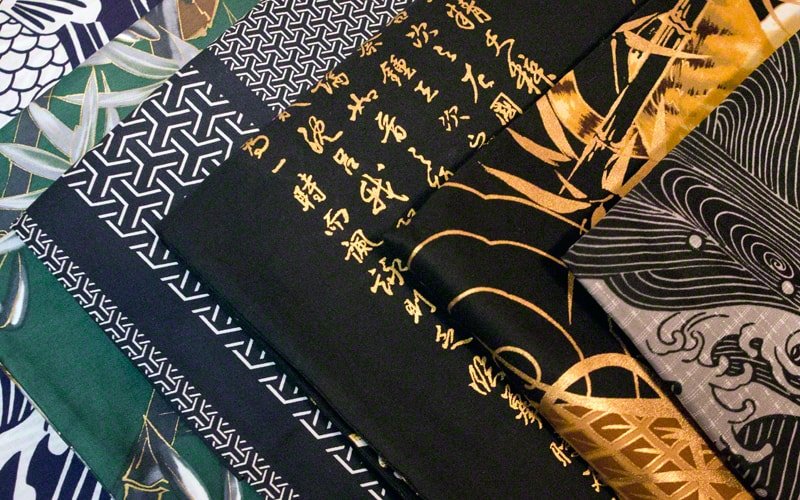
Color palette of kimonos

A Kimono Pallette

Fun Facts About Kimonos You Probably Didn’t Know

Friday, November 22nd, 2024

Kimono are one of the most iconic symbols of Japanese culture. This traditional garment epitomizes elegance, history, and art, making it a must-know for cultural enthusiasts. While they may look like simple robes from afar, kimono carry profound meanings and history that reflect Japanese traditions and values. If you’re fascinated by kimono—or wondering about “kimono vs yukata”—this guide will unveil some fun and intriguing facts about this wearable art.

What Does the Japanese Kimono Represent?

The word “kimono” literally translates to “thing to wear” (ki = wear, mono = thing). However, it represents far more than just clothing in Japanese culture. A kimono is a symbol of tradition, identity, and even storytelling. Each one reflects the wearer’s social status, age, occasion, and season.

Whether it’s worn for a wedding, tea ceremony, or a summer festival, the kimono’s fabric, patterns, and embroidery often tell a story about the culture and nature of Japan. It’s a deliberate blend of ancient techniques and aesthetic symbolism that keeps Japan’s rich history alive in modern times.

Kimono Are Made Using One Piece of Fabric

Did you know that kimono are crafted entirely from a single bolt of fabric called a tanmono? The fabric is skillfully cut, sewn, and folded into a highly geometric design without unnecessary trims or alterations. This allows the kimono to maintain its versatility. If damaged or outgrown, a kimono can often be repurposed or resewn.

This single-fabric structure not only highlights the skill of the artisan but also symbolizes Japanese culture’s appreciation for simplicity and harmony.

Kimono Are Worn at Many Events

Kimonos have long been associated with special occasions, but did you know there are dozens of specific moments where a kimono is required?

  • Weddings: Brides often wear an elaborate uchikake kimono, which is richly embroidered.
  • Coming of Age Day (Seijin Shiki): Young adults celebrate their transition to adulthood by wearing furisode, which are long-sleeved kimono designed for festive occasions.
  • Funerals: Black kimono with family crests, known as kuro-tomesode, are worn to express formal condolences.
  • Summer Festivals (Matsuri): For more casual events, people wear yukatas—a lighter, more breathable version of kimonos perfect for warm weather.

If you’ve been wondering about “kimono vs yukata,” the distinction mainly lies in the occasion and material. Yukata are made of cotton and are more informal, while kimono use silk or more intricate fabrics for formal elegance.

Kimono Accessories and Types

Wearing a kimono is not just about putting on a robe—it’s an experience. Kimonos can be worn with a variety of accessories that add to their distinct look and function.

  • Obi: The sash used to secure the kimono, which comes in solid color, matching patterns, or elaborate designs and requires proper folding techniques.
  • Zori and Geta: Traditional sandals worn with kimonos, paired often with split-toe socks called tabi.
  • Haneri and Nagajuban: Specific undergarments to keep the kimono clean and structured.

There are also various types of kimonos depending on gender, age, and occasion.

  • For men, the “male yukata” or kimono for men usually features darker, bolder colors with simpler patterns.
  • For women, kimonos vary from short yukata styles for casual wear to elaborate furisode with long, flowing sleeves for ceremonial occasions.

Kimono Designs Hold a Lot of Symbolism

The beauty of a kimono lies in its intricate patterns, and these are never chosen at random.

  • Seasonal Motifs: Sakura (cherry blossoms) are popular in spring, while maple leaves signify fall. Wearing seasonal patterns shows respect and mindfulness of nature’s cycles.
  • Symbolic Designs: Cranes often signify longevity and good fortune, while pine trees represent steadfastness. For weddings, specific flowers like chrysanthemums and plum blossoms are used to symbolize happiness and renewal.

Every pattern has a purpose, often connecting the wearer to cultural beliefs, seasonal awareness, or personal sentiment.

Final Thoughts

Kimono are more than just traditional garments—they are pieces of wearable art deeply embedded in Japanese history and culture. Their versatility, symbolism, and elegance explain why kimonos and yukatas continue to captivate fashion lovers and cultural explorers across the globe.

If you’re inspired to learn more about Japanese traditions or even own a yukata, check out our exclusive guide! Elevate your love for culture, one thread at a time.

Fun facts about kimono